Transport Operations Management Software
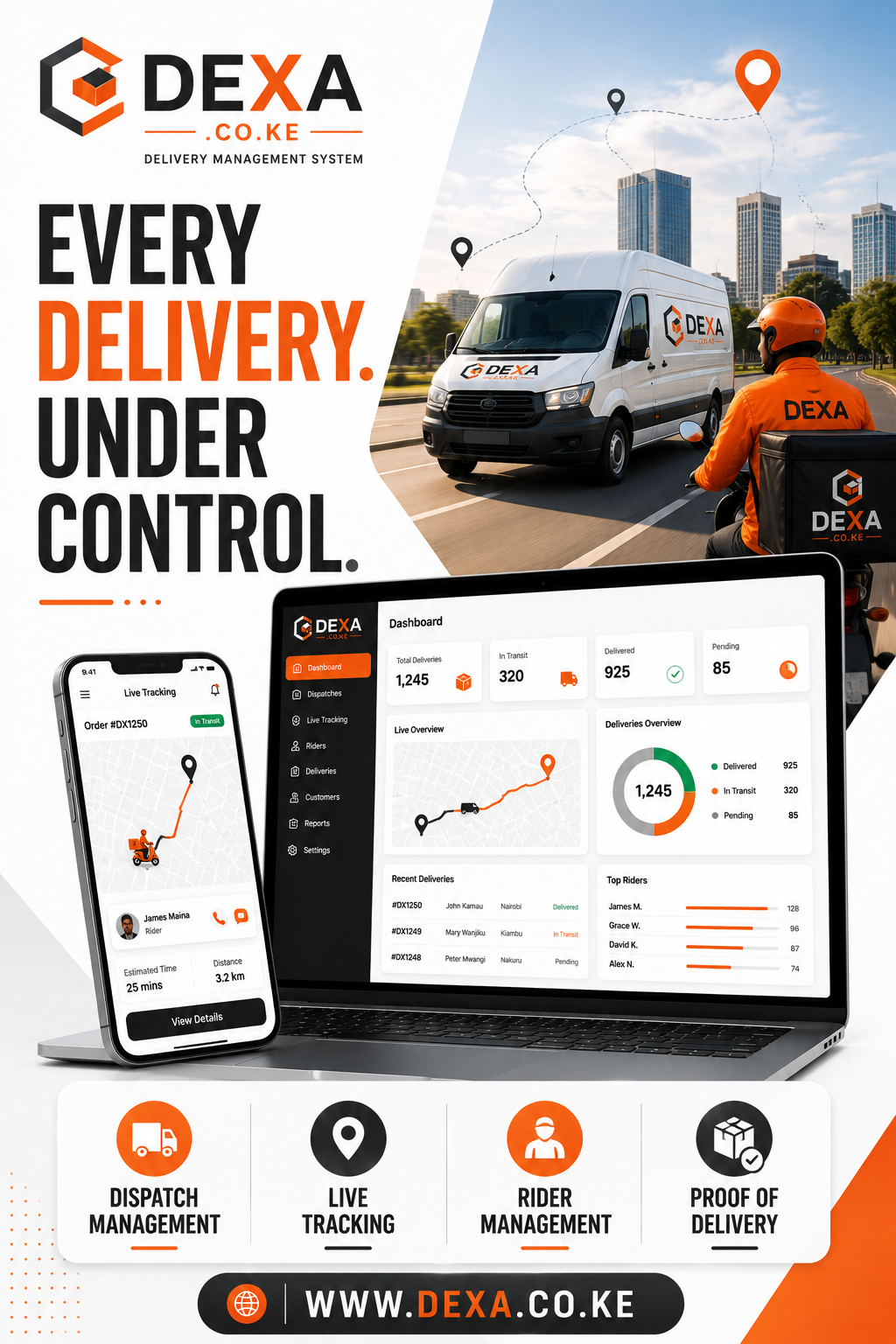
Transport Operations Management Software is revolutionizing how logistics companies, transport firms, manufacturers, distributors, retailers, wholesalers, and third-party logistics providers manage their daily transport activities. As businesses expand across Kenya and customer expectations continue to rise, transport operations have become increasingly complex. Managing vehicles, drivers, routes, dispatch schedules, maintenance, customer deliveries, and operational reporting manually is no longer sustainable. A modern Transport Operations Management Software solution centralizes every transport process into one intelligent platform, enabling businesses to improve efficiency, reduce operational costs, and deliver exceptional customer service.
Transport operations involve much more than moving goods from one location to another. Every shipment requires careful planning, vehicle allocation, driver scheduling, route optimization, customer communication, compliance monitoring, proof of delivery, and performance reporting. Without an integrated Transport Operations Management Software, organizations often struggle with delayed deliveries, poor fleet utilization, communication breakdowns, inaccurate reporting, increased fuel costs, and dissatisfied customers.
Across Kenya, transport companies operating in Nairobi, Mombasa, Kisumu, Nakuru, Eldoret, Thika, and other regions face growing demand for reliable, transparent, and efficient logistics services. Businesses transporting retail goods, pharmaceuticals, agricultural products, construction materials, FMCG products, fuel, water, and industrial equipment require complete operational visibility. A Transport Operations Management Software enables managers to monitor transport activities in real time, coordinate drivers effectively, automate workflows, and respond quickly to changing operational conditions.
Whether managing a fleet of delivery motorcycles, trucks, vans, or long-haul transport vehicles, implementing a Transport Operations Management Software provides organizations with the tools needed to optimize transport operations, improve customer satisfaction, strengthen decision-making, and support long-term business growth.
Table of Contents
- Introduction
- Why Transport Operations Management Matters
- Challenges of Manual Transport Operations
- Essential Features
- How Transport Operations Management Works
- Improving Fleet Coordination
- Industries That Benefit
- Reporting and Operational Analytics
- Transport Operations Management Software in Kenya
Why Transport Operations Management Matters
Efficient transport operations form the backbone of every successful logistics business. Every delivery depends on careful planning, proper vehicle allocation, experienced drivers, optimized routes, accurate scheduling, and timely communication.
A Transport Operations Management Software enables businesses to coordinate all these activities from one centralized platform. Instead of relying on spreadsheets, phone calls, handwritten records, or disconnected software systems, transport managers gain complete visibility over vehicles, drivers, deliveries, fuel usage, maintenance schedules, customer requests, and operational performance.
For example, a wholesale distributor serving supermarkets across Nairobi, Nakuru, Kisumu, and Eldoret may operate dozens of delivery vehicles every day. Without a Transport Operations Management Software, dispatchers manually assign vehicles, monitor deliveries through phone calls, and prepare reports at the end of the day. This consumes valuable time and increases the likelihood of errors. With centralized transport management, deliveries are planned automatically, vehicles are assigned intelligently, drivers receive mobile instructions, and management monitors every trip in real time.
Efficient transport management reduces delays, improves fleet utilization, lowers fuel consumption, and increases customer satisfaction.
Challenges of Manual Transport Operations
Many transport businesses continue managing operations using traditional manual processes.
Common challenges include:
- Manual vehicle scheduling.
- Driver allocation errors.
- Poor fleet visibility.
- Delayed dispatch.
- Route inefficiencies.
- Excessive fuel consumption.
- Communication delays.
- Inaccurate operational reporting.
- Missed maintenance schedules.
- Limited performance monitoring.
- Human errors.
- Customer dissatisfaction.
Without a Transport Operations Management Software, businesses struggle to maintain efficiency as transport operations grow.
Manual systems also make it difficult to adapt quickly when customer priorities change, traffic conditions worsen, or vehicles become unavailable unexpectedly.
A centralized Transport Operations Management Software eliminates these challenges by automating transport workflows while providing complete operational visibility.
Essential Features
Selecting the right Transport Operations Management Software requires choosing a platform that supports complete transport lifecycle management.
Fleet Management
Monitor:
- Vehicles.
- Fleet availability.
- Vehicle assignments.
- Maintenance schedules.
- Fuel usage.
- Service history.
- Registration details.
- Vehicle utilization.
Driver Management
Manage:
- Driver profiles.
- Driver assignments.
- Driver availability.
- Working schedules.
- Performance monitoring.
- License records.
- Compliance tracking.
- Driver communication.
Dispatch Management
Coordinate:
- Delivery assignments.
- Pickup scheduling.
- Vehicle allocation.
- Route planning.
- Driver communication.
- Delivery priorities.
- Multi-stop deliveries.
- Regional operations.
GPS Tracking
Track vehicle locations and transport progress in real time.
Route Optimization
Automatically calculate efficient delivery routes while minimizing travel distance, fuel costs, and delivery times.
Proof of Delivery
Capture:
- Customer signatures.
- Delivery photographs.
- GPS coordinates.
- Delivery timestamps.
- Delivery notes.
- Electronic confirmation.
Customer Communication
Automatically send:
- Dispatch notifications.
- Estimated arrival times.
- Delivery progress updates.
- Delay notifications.
- Delivery confirmations.
Reporting Dashboard
Generate reports covering:
- Fleet utilization.
- Driver productivity.
- Delivery performance.
- Fuel efficiency.
- Operational costs.
- Vehicle maintenance.
- Customer satisfaction.
- Business performance.
A comprehensive Transport Operations Management Software integrates all these capabilities into one intelligent platform.
How Transport Operations Management Works
A Transport Operations Management Software manages every stage of transport operations through a structured workflow.
Typical processes include:
- Receiving transport requests.
- Scheduling deliveries.
- Allocating vehicles.
- Assigning drivers.
- Optimizing routes.
- Dispatching vehicles.
- Monitoring transport progress.
- Capturing proof of delivery.
- Updating customers.
- Recording completed deliveries.
- Generating reports.
- Monitoring performance.
Every activity is recorded automatically, improving operational accuracy and accountability.
Improving Fleet Coordination
Fleet coordination is one of the most valuable capabilities provided by a Transport Operations Management Software.
Managers gain visibility into:
- Vehicle availability.
- Driver assignments.
- Active deliveries.
- Completed deliveries.
- Fleet utilization.
- Maintenance schedules.
- Fuel usage.
- Delivery performance.
Improved coordination reduces downtime while maximizing fleet productivity.
Industries That Benefit
A Transport Operations Management Software supports organizations across many industries, including:
- Transport companies.
- Courier services.
- Manufacturers.
- Wholesalers.
- Retail chains.
- Pharmaceutical distributors.
- Construction suppliers.
- Agricultural businesses.
- Food distributors.
- Water delivery companies.
- Fuel distributors.
- Third-party logistics providers.
Any organization operating vehicles can improve efficiency through centralized transport management.
Reporting and Operational Analytics
Reliable reporting supports continuous operational improvement.
A Transport Operations Management Software generates reports covering:
- Fleet performance.
- Driver productivity.
- Vehicle utilization.
- Fuel efficiency.
- Delivery completion.
- Customer satisfaction.
- Operational costs.
- Business growth.
These reports enable management to identify trends, improve planning, and optimize transport operations.
Transport Operations Management Software in Kenya
Kenya’s transport and logistics sector continues expanding rapidly due to increasing trade, e-commerce, infrastructure development, manufacturing, and nationwide distribution. Businesses require technology that provides complete operational visibility while supporting efficient transport coordination.
A Transport Operations Management Software enables organizations to centralize transport planning, automate dispatch operations, monitor fleet performance, improve driver coordination, strengthen customer communication, and optimize delivery execution.
Solutions such as Dexa provide a comprehensive Transport Operations Management Software integrated with order management, dispatch management, fleet management, GPS tracking, route optimization, proof of delivery, customer communication, billing, analytics, and operational reporting. Rather than relying on separate applications, businesses manage every transport activity from one intelligent platform.
As logistics operations continue growing across Kenya, implementing a Transport Operations Management Software enables organizations to reduce costs, improve operational efficiency, strengthen customer satisfaction, and build scalable transport businesses.
Benefits for Different Stakeholders
A Transport Operations Management Software delivers value to every stakeholder involved in transport and logistics operations. Business owners gain greater visibility into fleet performance, operations managers improve coordination, dispatchers assign resources more efficiently, drivers receive accurate trip information, finance teams monitor transport costs, customer service teams provide timely updates, and customers enjoy reliable deliveries. As transport businesses across Kenya continue to expand, implementing a Transport Operations Management Software enables organizations to streamline operations while improving profitability and customer satisfaction.
Benefits for Business Owners
Business owners require accurate information to make strategic decisions and ensure transport operations remain profitable.
A Transport Operations Management Software enables business owners to:
- Monitor fleet performance.
- Reduce operational costs.
- Improve vehicle utilization.
- Increase delivery efficiency.
- Strengthen business reporting.
- Improve customer satisfaction.
- Monitor branch operations.
- Support business expansion.
Real-time operational dashboards provide complete visibility into transport activities, helping leadership identify opportunities for continuous improvement.
Benefits for Operations Managers
Operations managers coordinate vehicles, drivers, routes, and delivery schedules across multiple locations.
A Transport Operations Management Software helps operations managers to:
- Monitor daily transport activities.
- Improve fleet coordination.
- Reduce delivery delays.
- Optimize vehicle allocation.
- Improve driver productivity.
- Balance transport workloads.
- Respond quickly to operational issues.
- Improve overall efficiency.
Centralized management enables operations teams to maintain high service levels while reducing unnecessary costs.
Benefits for Dispatch Managers
Dispatch managers are responsible for ensuring every vehicle and driver is assigned efficiently.
A Transport Operations Management Software enables dispatch managers to:
- Assign vehicles automatically.
- Schedule deliveries efficiently.
- Monitor driver availability.
- Coordinate urgent requests.
- Optimize delivery routes.
- Improve communication.
- Track transport progress.
- Reduce manual dispatch work.
Automation significantly improves dispatch accuracy while reducing administrative effort.
Benefits for Drivers
Drivers perform better when they receive clear schedules and accurate information.
A Transport Operations Management Software provides drivers with:
- Transport assignments.
- Route guidance.
- Customer information.
- Delivery instructions.
- Navigation support.
- Real-time communication.
- Proof of delivery tools.
- Status reporting.
Drivers spend less time waiting for instructions and more time completing successful deliveries.
Benefits for Warehouse Teams
Warehouse staff play a critical role in preparing goods for transportation.
A Transport Operations Management Software helps warehouse teams to:
- Coordinate loading schedules.
- Prepare transport documentation.
- Organize outbound shipments.
- Track vehicle departures.
- Improve inventory movement.
- Reduce loading delays.
- Improve coordination with dispatchers.
- Increase operational productivity.
Better warehouse coordination supports faster transport operations.
Benefits for Finance Departments
Transport operations generate significant financial activity.
A Transport Operations Management Software enables finance teams to:
- Track transport costs.
- Monitor fuel expenses.
- Generate invoices.
- Reconcile transport payments.
- Produce financial reports.
- Improve budgeting.
- Monitor operational profitability.
- Reduce accounting errors.
Integrated financial reporting strengthens business control.
Benefits for Customer Service Teams
Customer support teams frequently respond to transport-related inquiries.
A Transport Operations Management Software enables customer service representatives to:
- Monitor transport progress.
- Access delivery status.
- Confirm estimated arrival times.
- Resolve customer inquiries.
- View proof of delivery.
- Improve communication.
- Reduce complaint resolution times.
- Increase customer confidence.
Accurate information improves customer service quality.
Benefits for Customers
Customers benefit from reliable transport services that provide transparency and timely communication.
A Transport Operations Management Software improves customer experiences by providing:
- Reliable deliveries.
- Accurate arrival estimates.
- Live transport updates.
- Delivery notifications.
- Faster issue resolution.
- Improved communication.
- Proof of delivery.
- Consistent service quality.
Excellent customer experiences contribute to stronger business relationships.
Improving Efficiency Through Automation
Growing transport businesses require automation to remain competitive.
A Transport Operations Management Software automates repetitive transport processes while improving consistency and operational efficiency.
Automated Transport Planning
The platform automatically manages:
- Vehicle scheduling.
- Driver assignments.
- Delivery planning.
- Route optimization.
- Fleet allocation.
- Transport prioritization.
- Trip scheduling.
- Operational reporting.
Automation reduces manual planning while improving transport efficiency.
Intelligent Fleet Coordination
A Transport Operations Management Software continuously coordinates:
- Vehicle availability.
- Driver schedules.
- Route optimization.
- Fleet capacity.
- Delivery priorities.
- Maintenance planning.
- Resource allocation.
- Operational workflows.
Intelligent coordination maximizes fleet productivity.
Automated Customer Communication
Customers receive automatic notifications throughout the transport process.
The system sends:
- Dispatch confirmations.
- Transport updates.
- Estimated arrival times.
- Delay notifications.
- Delivery confirmations.
- SMS alerts.
- Email updates.
- Proof of delivery notifications.
Automated communication strengthens customer confidence while reducing support inquiries.
Live Operational Dashboards
Management dashboards display:
- Active vehicles.
- Fleet utilization.
- Driver productivity.
- Transport performance.
- Delivery completion.
- Fuel consumption.
- Customer satisfaction.
- Operational efficiency.
Real-time information supports informed operational decisions.
Performance Monitoring
A Transport Operations Management Software continuously measures:
- Fleet utilization.
- Driver performance.
- Vehicle productivity.
- Fuel efficiency.
- Delivery completion.
- Customer satisfaction.
- Operational costs.
- Business growth.
Reliable performance data enables continuous improvement.
Compliance, Security and Risk Management
Transport businesses manage valuable operational, customer, and financial information.
A Transport Operations Management Software should provide enterprise-grade security.
Role-Based Access Control
Different departments require different access privileges.
Business owners, operations managers, dispatchers, drivers, warehouse teams, finance departments, customer service representatives, and administrators should only access information relevant to their responsibilities.
Role-based permissions improve operational security.
Secure Cloud Infrastructure
Cloud technology protects business information from:
- Hardware failure.
- Theft.
- Fire.
- Flood damage.
- Device loss.
- Accidental deletion.
Automatic backups ensure uninterrupted business operations.
Complete Audit Trails
Every action performed within the Transport Operations Management Software is recorded automatically.
Audit records include:
- Vehicle assignments.
- Driver schedules.
- Dispatch activities.
- Route changes.
- Delivery updates.
- User activities.
- Customer communication.
- Operational adjustments.
Comprehensive records strengthen accountability while supporting operational reviews.
Data Protection
Sensitive information should remain secure through:
- Data encryption.
- Secure authentication.
- User permissions.
- Activity monitoring.
- Backup management.
- Cloud security.
Responsible data management builds customer confidence.
Business Continuity
Cloud-based Transport Operations Management Software solutions allow transport operations to continue securely from any location during unexpected disruptions.
Why Dexa Is the Ideal Solution
Modern transport businesses require more than fleet tracking or dispatch software. They need a complete transport management platform that connects every stage of logistics operations.
Dexa provides a comprehensive Transport Operations Management Software integrated with:
- Order management.
- Dispatch management.
- Fleet management.
- Driver management.
- GPS tracking.
- Route optimization.
- Proof of delivery.
- Customer communication.
- Billing and invoicing.
- Payment reconciliation.
- Delivery exception management.
- Multi-branch management.
- Operational analytics.
- Performance reporting.
Instead of relying on multiple disconnected systems, businesses manage transport planning, dispatch, fleet coordination, deliveries, reporting, and customer communication from one centralized platform.
Whether serving courier companies, manufacturers, wholesalers, retailers, construction suppliers, pharmaceutical distributors, water companies, fuel distributors, agricultural businesses, or third-party logistics providers, Dexa enables organizations to improve transport efficiency while supporting sustainable growth.
Future Trends
Technology continues transforming transport management.
The future of Transport Operations Management Software will deliver even more intelligent capabilities.
Artificial Intelligence
AI will help businesses:
- Predict transport demand.
- Recommend vehicle assignments.
- Forecast delivery delays.
- Improve fleet utilization.
- Optimize operational planning.
AI enables smarter transport decision-making.
Predictive Fleet Analytics
Future systems will forecast:
- Vehicle maintenance.
- Driver availability.
- Fuel requirements.
- Seasonal demand.
- Fleet capacity.
- Operational performance.
Predictive insights reduce downtime while improving efficiency.
Sustainable Transport Operations
Businesses will increasingly optimize:
- Fuel consumption.
- Route planning.
- Fleet utilization.
- Electric vehicle operations.
- Carbon emissions.
Technology will support environmentally responsible transport operations.
Intelligent Customer Experience
Future Transport Operations Management Software solutions will provide:
- Live vehicle tracking.
- Flexible delivery scheduling.
- Customer self-service portals.
- Personalized notifications.
- Real-time communication.
Enhanced transparency strengthens customer relationships.
Connected Business Ecosystems
Future Transport Operations Management Software platforms will integrate seamlessly with:
- ERP systems.
- Warehouse management software.
- CRM platforms.
- Accounting systems.
- Inventory management.
- E-commerce platforms.
- Mobile applications.
- Business intelligence tools.
Connected systems create fully integrated transport operations.
Getting Started
Implementing a Transport Operations Management Software begins with evaluating existing transport workflows.
Consider the following questions:
- How are transport requests managed?
- How are vehicles assigned?
- How are drivers scheduled?
- How are routes planned?
- How are deliveries monitored?
- Where do operational delays occur?
- Which manual tasks consume the most time?
- Which processes should be automated?
Successful implementation includes:
- Registering vehicles.
- Creating driver profiles.
- Configuring transport routes.
- Defining dispatch workflows.
- Setting user permissions.
- Training operational teams.
- Monitoring performance dashboards.
- Continuously optimizing transport operations.
Following these steps helps businesses maximize the value of a Transport Operations Management Software while improving fleet productivity and customer satisfaction.
Conclusion
Efficient transport management is essential for businesses that depend on reliable movement of goods and timely deliveries. As fleets grow and customer expectations continue to rise, manual processes become increasingly difficult to manage. A Transport Operations Management Software enables organizations to automate transport planning, improve fleet coordination, optimize driver assignments, strengthen customer communication, and gain complete visibility across every stage of transport operations.
By reducing operational costs, improving fleet utilization, increasing delivery accuracy, and providing valuable business intelligence, a Transport Operations Management Software empowers businesses to build efficient, scalable, and customer-focused transport operations.
For transport companies and logistics providers across Kenya, Dexa offers a fully integrated Transport Operations Management Software that combines order management, dispatch management, fleet coordination, GPS tracking, route optimization, proof of delivery, delivery exception management, customer communication, billing, analytics, and operational reporting into one powerful platform. With Dexa, organizations can streamline transport operations, improve customer satisfaction, reduce operating costs, and build a transport business prepared for long-term success.