Delivery Scheduling and Dispatch Platform
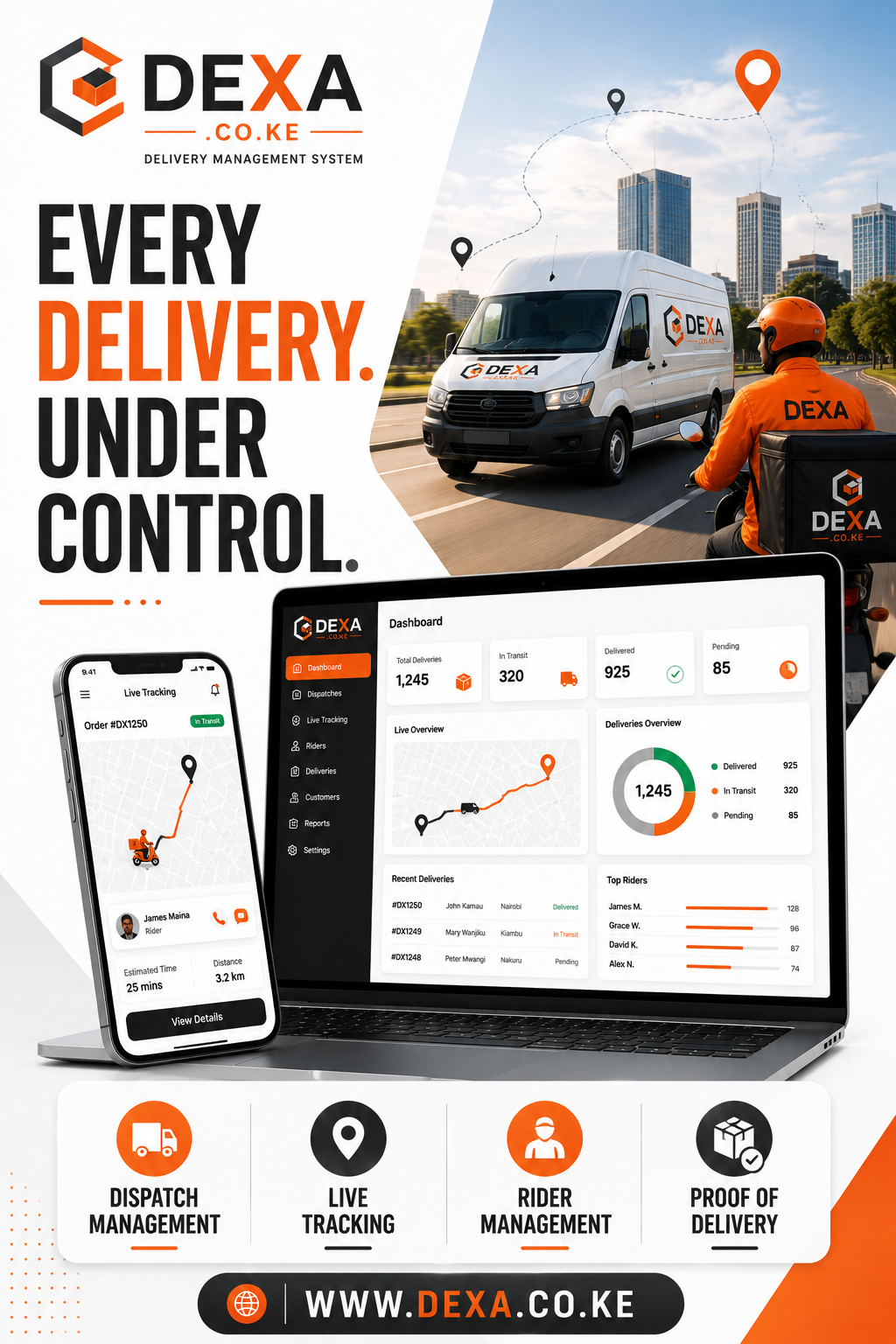
Delivery Scheduling and Dispatch Platform is transforming how courier companies, distributors, retailers, wholesalers, manufacturers, and logistics providers organize and execute deliveries. As customer expectations continue to rise, businesses are under increasing pressure to deliver orders accurately, on time, and with complete visibility. Manual scheduling methods that rely on spreadsheets, phone calls, paper dispatch sheets, or messaging applications can no longer support growing delivery operations. A modern Delivery Scheduling and Dispatch Platform centralizes planning, automates dispatch, coordinates drivers, optimizes delivery routes, and provides real-time operational visibility from order creation to successful delivery.
Every successful delivery begins with effective scheduling. Orders must be assigned to the appropriate driver, vehicle, and delivery route while considering customer priorities, delivery locations, vehicle capacity, traffic conditions, and operational resources. Without a centralized Delivery Scheduling and Dispatch Platform, businesses often experience delayed deliveries, missed appointments, inefficient routes, overloaded drivers, underutilized vehicles, and dissatisfied customers.
Across Kenya, logistics businesses serving Nairobi, Mombasa, Kisumu, Nakuru, Eldoret, Thika, and surrounding regions are increasingly adopting digital dispatch technologies to remain competitive. Whether managing same-day deliveries, scheduled deliveries, recurring deliveries, or large-scale distribution operations, a Delivery Scheduling and Dispatch Platform enables organizations to streamline dispatch workflows, improve fleet utilization, strengthen communication, and deliver exceptional customer experiences.
Businesses involved in courier services, e-commerce, wholesale distribution, pharmaceutical logistics, food delivery, water distribution, FMCG supply, hardware distribution, and third-party logistics all benefit from centralized scheduling and dispatch management. A Delivery Scheduling and Dispatch Platform provides one intelligent solution that connects dispatch managers, drivers, warehouse teams, customer service representatives, and customers while ensuring every delivery is completed efficiently.
Table of Contents
- Introduction
- Why Delivery Scheduling Matters
- Challenges of Manual Dispatch Scheduling
- Essential Features
- How Delivery Scheduling Works
- Improving Dispatch Coordination
- Industries That Benefit
- Reporting and Delivery Analytics
- Delivery Scheduling and Dispatch Platform in Kenya
Why Delivery Scheduling Matters
Efficient delivery scheduling ensures every order reaches the right customer at the right time using the most appropriate transport resources.
A Delivery Scheduling and Dispatch Platform automates scheduling decisions based on delivery priorities, driver availability, vehicle capacity, customer locations, traffic conditions, delivery windows, and business rules. Instead of relying on manual planning, dispatch managers receive intelligent scheduling recommendations that improve delivery efficiency while reducing operational costs.
For example, a wholesale supplier delivering goods throughout Nairobi and neighboring counties may process hundreds of delivery requests every morning. Without a Delivery Scheduling and Dispatch Platform, dispatchers manually review customer orders, assign drivers, organize delivery routes, and communicate schedules individually. This process is time-consuming and prone to errors. With intelligent scheduling software, deliveries are automatically organized, drivers receive assignments through mobile devices, and management monitors execution in real time.
Well-organized scheduling reduces delivery delays, improves customer satisfaction, and increases fleet productivity.
Challenges of Manual Dispatch Scheduling
Many businesses still coordinate deliveries using spreadsheets, paper records, phone calls, or messaging applications.
These manual methods often create operational challenges including:
- Delayed driver assignments.
- Scheduling conflicts.
- Inefficient delivery routes.
- Poor fleet utilization.
- Communication delays.
- Human errors.
- Missed delivery appointments.
- Driver workload imbalance.
- Limited operational visibility.
- Slow response to urgent deliveries.
- Poor reporting.
- Customer dissatisfaction.
A Delivery Scheduling and Dispatch Platform eliminates these challenges through centralized planning and automation.
Essential Features
Choosing the right Delivery Scheduling and Dispatch Platform requires selecting software capable of managing the complete delivery lifecycle.
Delivery Scheduling
Automatically schedule:
- Same-day deliveries.
- Scheduled deliveries.
- Recurring deliveries.
- Priority deliveries.
- Multi-stop deliveries.
- Regional deliveries.
- Express deliveries.
- Multi-branch operations.
Intelligent Dispatch
Automatically assign deliveries based on:
- Driver availability.
- Vehicle capacity.
- Delivery location.
- Delivery priority.
- Driver workload.
- Route optimization.
- Delivery zones.
- Business rules.
GPS Tracking
Track vehicles and drivers throughout every delivery.
Mobile Driver Application
Provide drivers with:
- Delivery schedules.
- Customer information.
- Navigation support.
- Route updates.
- Status reporting.
- Proof of delivery.
- Delivery instructions.
- Communication tools.
Customer Notifications
Automatically send:
- Dispatch confirmations.
- Estimated arrival times.
- Delivery updates.
- Delay notifications.
- Delivery confirmations.
- SMS alerts.
- Email notifications.
Dispatch Dashboard
Monitor:
- Scheduled deliveries.
- Active deliveries.
- Completed deliveries.
- Driver activity.
- Fleet utilization.
- Dispatch performance.
- Delivery status.
- Customer communication.
Reporting Dashboard
Generate reports covering:
- Delivery completion.
- Driver productivity.
- Dispatch efficiency.
- Fleet utilization.
- Delivery performance.
- Customer satisfaction.
- Operational costs.
- Business growth.
A modern Delivery Scheduling and Dispatch Platform combines these capabilities into one centralized logistics solution.
How Delivery Scheduling Works
Every successful delivery follows a structured scheduling process.
A Delivery Scheduling and Dispatch Platform manages this workflow through:
- Receiving customer orders.
- Validating delivery requests.
- Scheduling deliveries.
- Assigning drivers.
- Allocating vehicles.
- Optimizing delivery routes.
- Dispatching drivers.
- Tracking deliveries.
- Capturing proof of delivery.
- Updating customers.
- Recording completed deliveries.
- Generating reports.
Every stage is recorded automatically, improving operational accuracy and accountability.
Improving Dispatch Coordination
Coordinating multiple deliveries across different locations requires continuous communication and visibility.
A Delivery Scheduling and Dispatch Platform enables dispatch managers to monitor:
- Driver availability.
- Vehicle utilization.
- Delivery progress.
- Route performance.
- Delivery priorities.
- Active schedules.
- Customer updates.
- Operational efficiency.
Improved coordination reduces delays while maximizing fleet productivity.
Industries That Benefit
A Delivery Scheduling and Dispatch Platform supports many industries including:
- Courier companies.
- E-commerce retailers.
- Manufacturers.
- Wholesalers.
- Pharmaceutical distributors.
- Supermarkets.
- Food delivery businesses.
- Water distributors.
- Hardware suppliers.
- Construction companies.
- Medical suppliers.
- Third-party logistics providers.
Any organization coordinating deliveries benefits from intelligent scheduling.
Reporting and Delivery Analytics
Reliable reporting enables businesses to optimize delivery operations continuously.
A Delivery Scheduling and Dispatch Platform generates reports covering:
- Delivery completion.
- Driver performance.
- Dispatch productivity.
- Fleet utilization.
- Delivery accuracy.
- Operational costs.
- Customer satisfaction.
- Business performance.
These insights support better planning and informed decision-making.
Delivery Scheduling and Dispatch Platform in Kenya
Kenya’s logistics sector is experiencing rapid digital transformation as organizations seek to improve delivery efficiency and customer satisfaction. Businesses serving Nairobi, Mombasa, Kisumu, Nakuru, Eldoret, Thika, and surrounding counties require technology capable of automating scheduling while maintaining complete delivery visibility.
A Delivery Scheduling and Dispatch Platform enables organizations to centralize scheduling, automate dispatch operations, improve driver coordination, optimize delivery routes, strengthen customer communication, and improve overall logistics performance.
Solutions such as Dexa provide a comprehensive Delivery Scheduling and Dispatch Platform integrated with order management, dispatch management, fleet coordination, GPS tracking, proof of delivery, route optimization, customer communication, billing, analytics, and operational reporting. Rather than managing deliveries through multiple disconnected systems, businesses oversee every delivery process through one intelligent logistics platform.
As customer expectations continue to rise across Kenya, implementing a Delivery Scheduling and Dispatch Platform enables businesses to improve operational efficiency, reduce delivery costs, strengthen customer confidence, and support long-term business growth.
Benefits for Different Stakeholders
A Delivery Scheduling and Dispatch Platform delivers value to every stakeholder involved in delivery operations. Business owners gain complete visibility into delivery performance, operations managers improve coordination, dispatch teams automate scheduling, drivers receive optimized delivery assignments, warehouse teams prepare shipments more efficiently, finance departments improve billing accuracy, customer service teams respond faster, and customers enjoy reliable and transparent deliveries. As logistics businesses continue growing across Kenya, implementing a Delivery Scheduling and Dispatch Platform helps organizations improve operational efficiency while reducing costs and increasing customer satisfaction.
Benefits for Business Owners
Business owners require accurate operational information to support strategic decision-making and business growth.
A Delivery Scheduling and Dispatch Platform enables business owners to:
- Monitor delivery performance.
- Improve fleet utilization.
- Reduce operational costs.
- Increase delivery capacity.
- Strengthen business reporting.
- Improve customer retention.
- Monitor branch performance.
- Support long-term growth.
Real-time dashboards allow business owners to make informed decisions while continuously improving logistics operations.
Benefits for Operations Managers
Operations managers oversee scheduling, dispatch, fleet coordination, and delivery performance.
A Delivery Scheduling and Dispatch Platform helps operations managers to:
- Coordinate delivery schedules.
- Optimize fleet resources.
- Monitor operational performance.
- Reduce delivery delays.
- Improve route planning.
- Increase fleet productivity.
- Balance workloads.
- Improve service quality.
Centralized visibility enables operations managers to resolve issues before they impact customers.
Benefits for Dispatch Teams
Dispatch teams are responsible for assigning drivers and coordinating deliveries.
A Delivery Scheduling and Dispatch Platform enables dispatch teams to:
- Automate driver assignments.
- Schedule deliveries efficiently.
- Monitor driver availability.
- Respond to urgent requests.
- Optimize delivery routes.
- Track dispatch performance.
- Reduce manual coordination.
- Improve operational accuracy.
Automation significantly improves dispatch productivity while minimizing scheduling conflicts.
Benefits for Drivers
Drivers require clear schedules and accurate delivery information.
A Delivery Scheduling and Dispatch Platform provides drivers with:
- Daily delivery schedules.
- Route guidance.
- Customer details.
- Delivery instructions.
- Navigation support.
- Status reporting.
- Proof of delivery tools.
- Real-time communication.
Drivers complete deliveries more efficiently while reducing unnecessary travel.
Benefits for Warehouse Teams
Warehouse staff prepare goods before dispatch.
A Delivery Scheduling and Dispatch Platform enables warehouse teams to:
- Organize loading schedules.
- Prioritize outgoing shipments.
- Coordinate vehicle departures.
- Track scheduled deliveries.
- Reduce loading delays.
- Improve inventory movement.
- Strengthen dispatch coordination.
- Increase warehouse productivity.
Well-organized warehouse operations contribute to timely deliveries.
Benefits for Finance Departments
Transport and delivery operations generate important financial data.
A Delivery Scheduling and Dispatch Platform helps finance teams to:
- Track delivery charges.
- Generate invoices.
- Monitor payments.
- Reconcile transport costs.
- Produce financial reports.
- Improve cash flow management.
- Monitor profitability.
- Reduce billing errors.
Integrated financial reporting strengthens operational control.
Benefits for Customer Service Teams
Customer service representatives frequently handle delivery inquiries.
A Delivery Scheduling and Dispatch Platform enables support teams to:
- Monitor delivery progress.
- Confirm delivery schedules.
- View proof of delivery.
- Resolve customer inquiries.
- Improve communication.
- Reduce complaint resolution times.
- Access delivery history.
- Increase customer confidence.
Reliable information enables faster and more accurate customer support.
Benefits for Customers
Customers expect deliveries to arrive on time with clear communication.
A Delivery Scheduling and Dispatch Platform improves customer experiences through:
- Accurate delivery scheduling.
- Live delivery updates.
- Reliable communication.
- Delivery notifications.
- Flexible scheduling.
- Faster issue resolution.
- Proof of delivery.
- Consistent service quality.
Satisfied customers are more likely to become repeat clients and recommend the business to others.
Improving Efficiency Through Automation
Manual scheduling becomes increasingly difficult as delivery volumes grow.
A Delivery Scheduling and Dispatch Platform automates routine operational processes while improving accuracy and consistency.
Automated Delivery Scheduling
The platform automatically manages:
- Delivery planning.
- Driver allocation.
- Vehicle assignment.
- Route optimization.
- Delivery prioritization.
- Schedule adjustments.
- Dispatch coordination.
- Operational reporting.
Automation reduces scheduling time while improving delivery performance.
Intelligent Dispatch Coordination
A Delivery Scheduling and Dispatch Platform continuously coordinates:
- Driver availability.
- Fleet capacity.
- Delivery zones.
- Priority deliveries.
- Multi-stop routes.
- Pickup scheduling.
- Vehicle allocation.
- Operational workflows.
Intelligent coordination improves overall fleet utilization.
Automated Customer Communication
Customers receive automatic updates including:
- Order confirmation.
- Dispatch notifications.
- Estimated arrival times.
- Delivery progress.
- Delay alerts.
- Successful delivery confirmation.
- SMS notifications.
- Email updates.
Automated communication reduces customer uncertainty and improves service quality.
Live Operational Dashboards
Management dashboards display:
- Scheduled deliveries.
- Active deliveries.
- Completed deliveries.
- Driver activity.
- Fleet utilization.
- Dispatch efficiency.
- Customer satisfaction.
- Operational productivity.
Real-time reporting supports faster operational decisions.
Performance Monitoring
A Delivery Scheduling and Dispatch Platform continuously measures:
- Delivery completion rates.
- Driver productivity.
- Fleet utilization.
- Dispatch efficiency.
- Route performance.
- Customer satisfaction.
- Operational costs.
- Business growth.
These analytics enable continuous improvement across logistics operations.
Compliance, Security and Risk Management
Delivery scheduling involves valuable customer, operational, and financial information.
A Delivery Scheduling and Dispatch Platform should provide enterprise-grade security.
Role-Based Access Control
Different users require different access levels.
Business owners, operations managers, dispatchers, warehouse teams, drivers, finance departments, customer service representatives, and administrators should only access information relevant to their responsibilities.
Role-based permissions strengthen operational security.
Secure Cloud Infrastructure
Cloud technology protects business information from:
- Hardware failure.
- Theft.
- Fire.
- Flood damage.
- Device loss.
- Accidental deletion.
Automatic backups ensure uninterrupted business operations.
Complete Audit Trails
Every activity performed within the Delivery Scheduling and Dispatch Platform is recorded automatically.
Audit logs include:
- Delivery scheduling.
- Driver assignments.
- Dispatch updates.
- Route changes.
- Customer communication.
- User activities.
- Delivery confirmations.
- Operational adjustments.
These records improve accountability while supporting operational reviews.
Data Protection
Sensitive information should remain secure through:
- Data encryption.
- Secure authentication.
- User permissions.
- Activity monitoring.
- Backup management.
- Cloud security.
Responsible information management strengthens customer trust.
Business Continuity
Cloud-based Delivery Scheduling and Dispatch Platform solutions allow businesses to continue scheduling and dispatching deliveries securely from any location during unexpected disruptions.
Why Dexa Is the Ideal Solution
Growing logistics businesses require much more than scheduling software. They need a complete logistics management platform capable of managing every stage of delivery operations.
Dexa provides a comprehensive Delivery Scheduling and Dispatch Platform integrated with:
- Order management.
- Dispatch management.
- Fleet management.
- Driver management.
- GPS tracking.
- Route optimization.
- Proof of delivery.
- Customer communication.
- Delivery exception management.
- Billing and invoicing.
- Payment reconciliation.
- Multi-branch management.
- Operational analytics.
- Performance reporting.
Instead of relying on separate applications for scheduling, dispatching, tracking, communication, and reporting, businesses manage their complete delivery operation through one centralized platform.
Whether serving courier companies, e-commerce businesses, wholesalers, manufacturers, retailers, pharmaceutical distributors, supermarkets, food delivery companies, water suppliers, construction suppliers, or third-party logistics providers, Dexa enables organizations to improve scheduling accuracy, increase delivery efficiency, and support long-term business growth.
Future Trends
Technology continues transforming delivery management.
The future of the Delivery Scheduling and Dispatch Platform will introduce increasingly intelligent capabilities.
Artificial Intelligence
AI will help businesses:
- Predict delivery demand.
- Recommend driver assignments.
- Forecast traffic delays.
- Optimize delivery schedules.
- Improve dispatch planning.
AI supports faster and more accurate logistics decisions.
Predictive Scheduling
Future systems will forecast:
- Fleet availability.
- Driver workloads.
- Delivery volumes.
- Seasonal demand.
- Route congestion.
- Operational performance.
Predictive analytics improve planning accuracy while reducing operational costs.
Intelligent Customer Experience
Future Delivery Scheduling and Dispatch Platform solutions will provide:
- Flexible customer scheduling.
- Live driver tracking.
- Personalized notifications.
- Self-service delivery management.
- Real-time communication.
Enhanced customer experiences improve loyalty and satisfaction.
Sustainable Delivery Operations
Businesses will increasingly optimize:
- Fuel consumption.
- Delivery routes.
- Fleet utilization.
- Electric vehicle scheduling.
- Environmental performance.
Technology will support more sustainable logistics operations.
Connected Logistics Ecosystems
Future Delivery Scheduling and Dispatch Platform solutions will integrate seamlessly with:
- ERP systems.
- Warehouse management software.
- CRM platforms.
- Accounting software.
- Inventory systems.
- E-commerce platforms.
- Mobile applications.
- Business intelligence tools.
Integrated technologies create smarter and more efficient logistics operations.
Getting Started
Implementing a Delivery Scheduling and Dispatch Platform begins with evaluating existing delivery planning processes.
Consider the following questions:
- How are deliveries scheduled today?
- How are drivers assigned?
- How are routes planned?
- How are delivery updates communicated?
- Where do delays occur?
- Which manual tasks consume the most time?
- How are delivery reports generated?
- Which processes should be automated?
Successful implementation includes:
- Configuring delivery zones.
- Registering vehicles and drivers.
- Defining scheduling rules.
- Setting dispatch workflows.
- Assigning user permissions.
- Training operational teams.
- Monitoring delivery performance.
- Continuously optimizing scheduling processes.
Following these steps helps businesses maximize the value of a Delivery Scheduling and Dispatch Platform while improving operational efficiency and customer satisfaction.
Conclusion
Efficient scheduling and dispatch are the foundation of successful logistics operations. As delivery volumes increase and customer expectations continue to rise, businesses need technology that automates planning, improves coordination, and provides complete operational visibility. A Delivery Scheduling and Dispatch Platform enables organizations to optimize delivery schedules, automate driver assignments, strengthen fleet utilization, improve customer communication, and increase delivery performance.
By reducing manual work, improving dispatch accuracy, increasing operational efficiency, and providing valuable business intelligence, a Delivery Scheduling and Dispatch Platform empowers organizations to build scalable and customer-focused logistics operations.
For courier companies and logistics providers across Kenya, Dexa offers a fully integrated Delivery Scheduling and Dispatch Platform that combines order management, dispatch management, fleet coordination, GPS tracking, route optimization, proof of delivery, delivery exception management, customer communication, billing, analytics, and operational reporting into one powerful solution. With Dexa, businesses can streamline scheduling, optimize dispatch operations, improve customer satisfaction, reduce operating costs, and build a logistics operation prepared for long-term success.