Logistics Performance Monitoring System
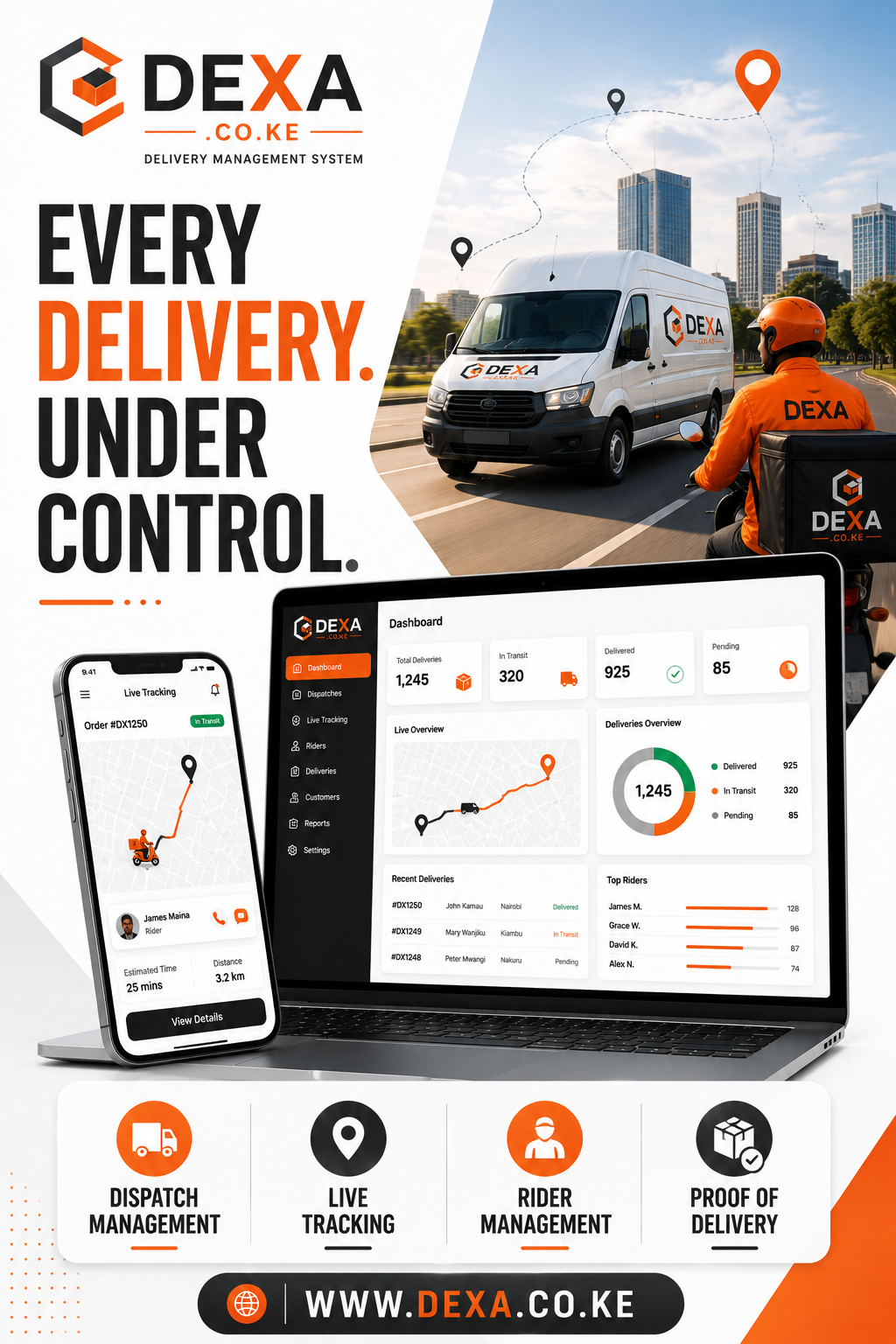
Logistics Performance Monitoring System has become one of the most valuable technologies for businesses that depend on efficient transportation, warehousing, fleet management, courier services, and supply chain operations. As logistics networks continue growing in complexity, organizations require accurate, real-time information to measure operational performance, identify bottlenecks, improve productivity, and enhance customer satisfaction. A modern Logistics Performance Monitoring System provides complete visibility into every stage of logistics operations, enabling businesses to make informed decisions that improve efficiency while reducing operational costs.
Today’s logistics environment demands more than simply moving goods from one location to another. Businesses must monitor delivery times, vehicle utilization, driver productivity, fuel consumption, customer satisfaction, dispatch efficiency, warehouse performance, order fulfillment, and overall operational profitability. Managing these activities manually through spreadsheets, paper reports, and disconnected software applications often results in delayed decision-making, inaccurate reporting, and missed opportunities for improvement. A centralized Logistics Performance Monitoring System transforms raw operational data into meaningful business intelligence that supports continuous improvement.
Across Kenya, logistics providers serving Nairobi, Mombasa, Kisumu, Nakuru, Eldoret, Thika, and surrounding regions face increasing pressure to deliver faster, reduce operating costs, and provide better customer experiences. Courier companies, manufacturers, wholesalers, retailers, pharmaceutical distributors, construction suppliers, e-commerce businesses, and third-party logistics providers all require reliable reporting to remain competitive. A Logistics Performance Monitoring System enables management teams to monitor key performance indicators (KPIs), evaluate operational efficiency, identify trends, and optimize business performance using accurate real-time data.
Whether operating a fleet of motorcycles, vans, trucks, or nationwide transport networks, implementing a Logistics Performance Monitoring System enables organizations to strengthen decision-making, improve accountability, increase productivity, and support sustainable business growth.
Table of Contents
- Introduction
- Why Logistics Performance Monitoring Matters
- Challenges of Manual Performance Monitoring
- Essential Features
- Key Performance Indicators
- How Logistics Performance Monitoring Works
- Industries That Benefit
- Reporting and Business Intelligence
- Logistics Performance Monitoring System in Kenya
Why Logistics Performance Monitoring Matters
Businesses cannot improve what they cannot measure. Every logistics operation generates valuable information that can be used to improve productivity, reduce costs, and enhance customer satisfaction. A Logistics Performance Monitoring System enables organizations to collect, analyze, and present this information in real time, allowing managers to respond quickly to operational challenges and continuously improve performance.
Without a Logistics Performance Monitoring System, many businesses rely on manual reports prepared at the end of the day, week, or month. By the time management identifies delivery delays, declining fleet utilization, increased fuel costs, or customer complaints, the issues may have already affected profitability and customer relationships.
For example, a courier company delivering parcels throughout Nairobi, Kiambu, Nakuru, Kisumu, and Mombasa may operate hundreds of deliveries daily. Without centralized performance monitoring, dispatch managers cannot easily determine which drivers consistently meet delivery targets, which routes experience frequent delays, or which vehicles require maintenance. A Logistics Performance Monitoring System provides real-time dashboards that immediately highlight these trends, allowing management to make informed operational decisions.
Accurate monitoring improves efficiency while supporting long-term strategic planning.
Challenges of Manual Performance Monitoring
Many organizations still measure logistics performance using spreadsheets, printed reports, and disconnected software applications.
These manual processes often result in:
- Delayed reporting.
- Inaccurate data.
- Human errors.
- Poor operational visibility.
- Slow decision-making.
- Inconsistent KPI tracking.
- Limited historical analysis.
- Difficulty identifying trends.
- High administrative workload.
- Poor accountability.
- Inefficient resource allocation.
- Customer dissatisfaction.
A Logistics Performance Monitoring System eliminates these limitations by automating data collection and reporting across the entire logistics operation.
Essential Features
Selecting the right Logistics Performance Monitoring System requires choosing a platform that provides complete operational visibility.
Real-Time Dashboards
Monitor:
- Active deliveries.
- Completed deliveries.
- Fleet utilization.
- Driver productivity.
- Order status.
- Dispatch performance.
- Delivery success rates.
- Customer satisfaction.
Fleet Performance Monitoring
Track:
- Vehicle utilization.
- Fuel consumption.
- Maintenance schedules.
- Vehicle downtime.
- Trip completion.
- Fleet availability.
- Driver assignments.
- Operating costs.
Driver Performance Monitoring
Measure:
- Delivery completion.
- On-time performance.
- Route compliance.
- Working hours.
- Customer ratings.
- Productivity.
- Safety records.
- Attendance.
Dispatch Performance
Evaluate:
- Dispatch speed.
- Assignment accuracy.
- Delivery scheduling.
- Route efficiency.
- Resource utilization.
- Response times.
- Operational productivity.
- Delivery coordination.
Customer Service Monitoring
Track:
- Delivery notifications.
- Customer inquiries.
- Complaint resolution.
- Delivery confirmations.
- Customer satisfaction.
- Response times.
- Communication quality.
- Service consistency.
Reporting Dashboard
Generate reports covering:
- Delivery performance.
- Fleet productivity.
- Driver efficiency.
- Fuel usage.
- Operational costs.
- Customer satisfaction.
- Financial performance.
- Business growth.
A comprehensive Logistics Performance Monitoring System combines these reporting capabilities into one centralized platform.
Key Performance Indicators
A Logistics Performance Monitoring System helps businesses measure important logistics KPIs including:
- On-time delivery rate.
- Delivery completion rate.
- Fleet utilization.
- Driver productivity.
- Fuel efficiency.
- Cost per delivery.
- Average delivery time.
- Vehicle downtime.
- Customer satisfaction score.
- Dispatch response time.
- Delivery accuracy.
- Operational profitability.
Monitoring these KPIs enables continuous business improvement.
How Logistics Performance Monitoring Works
A Logistics Performance Monitoring System automatically collects operational data from multiple business processes.
Typical workflow includes:
- Capturing order information.
- Monitoring dispatch activities.
- Tracking fleet movement.
- Recording delivery updates.
- Measuring driver performance.
- Monitoring customer communication.
- Collecting proof of delivery.
- Analyzing operational KPIs.
- Generating dashboards.
- Producing management reports.
- Identifying trends.
- Supporting decision-making.
Automation ensures accurate and timely business intelligence.
Industries That Benefit
A Logistics Performance Monitoring System supports organizations across numerous industries including:
- Courier companies.
- Transport companies.
- Manufacturers.
- Wholesalers.
- Retail chains.
- Pharmaceutical distributors.
- Construction suppliers.
- Food distributors.
- Water delivery businesses.
- Fuel distributors.
- Agricultural businesses.
- Third-party logistics providers.
Every organization managing logistics operations benefits from performance monitoring.
Reporting and Business Intelligence
Business intelligence enables organizations to move beyond historical reporting toward proactive operational management.
A Logistics Performance Monitoring System provides interactive dashboards that help managers:
- Compare branch performance.
- Evaluate driver productivity.
- Measure delivery efficiency.
- Identify operational bottlenecks.
- Monitor customer satisfaction.
- Track business growth.
- Improve resource allocation.
- Support strategic planning.
Reliable business intelligence strengthens organizational competitiveness.
Logistics Performance Monitoring System in Kenya
Kenya’s logistics industry continues expanding due to increased e-commerce, manufacturing, retail distribution, construction, agriculture, and nationwide transportation. Businesses require accurate operational information to remain competitive while delivering excellent customer service.
A Logistics Performance Monitoring System enables organizations to centralize reporting, monitor operational KPIs, improve fleet utilization, strengthen dispatch coordination, optimize delivery performance, and support informed business decisions.
Solutions such as Dexa provide a comprehensive Logistics Performance Monitoring System integrated with order management, dispatch management, fleet coordination, GPS tracking, route optimization, proof of delivery, customer communication, billing, analytics, and operational reporting. Rather than relying on disconnected reports, businesses manage logistics performance from one intelligent platform.
As logistics operations continue growing throughout Kenya, implementing a Logistics Performance Monitoring System enables organizations to improve efficiency, reduce operational costs, strengthen customer satisfaction, and build data-driven logistics businesses.
Benefits for Different Stakeholders
A Logistics Performance Monitoring System provides measurable value to every stakeholder involved in logistics operations. Business owners gain accurate business intelligence, operations managers monitor daily performance, dispatch teams improve delivery coordination, fleet managers optimize vehicle utilization, drivers receive measurable performance feedback, finance teams track operational costs, customer service representatives respond more effectively, and customers benefit from faster, more reliable deliveries. As logistics companies across Kenya continue to expand, implementing a Logistics Performance Monitoring System enables organizations to improve efficiency, strengthen accountability, and support long-term growth.
Benefits for Business Owners
Business owners require reliable information to make strategic decisions and improve profitability.
A Logistics Performance Monitoring System enables business owners to:
- Monitor business performance.
- Improve operational visibility.
- Reduce logistics costs.
- Increase delivery efficiency.
- Strengthen financial reporting.
- Improve customer retention.
- Compare branch performance.
- Support business expansion.
Comprehensive dashboards provide executives with accurate insights that support informed decision-making.
Benefits for Operations Managers
Operations managers oversee logistics performance across multiple departments and regions.
A Logistics Performance Monitoring System helps operations managers to:
- Monitor delivery performance.
- Identify operational bottlenecks.
- Improve resource allocation.
- Optimize transport operations.
- Increase productivity.
- Reduce operational delays.
- Monitor service quality.
- Improve operational planning.
Real-time operational visibility enables faster corrective action.
Benefits for Dispatch Teams
Dispatch teams coordinate deliveries and ensure resources are utilized efficiently.
A Logistics Performance Monitoring System enables dispatch teams to:
- Monitor dispatch efficiency.
- Track delivery completion.
- Measure driver productivity.
- Improve scheduling accuracy.
- Monitor active deliveries.
- Reduce dispatch delays.
- Improve communication.
- Increase operational coordination.
Continuous performance monitoring strengthens dispatch operations.
Benefits for Fleet Managers
Fleet managers require accurate information to maximize vehicle performance.
A Logistics Performance Monitoring System allows fleet managers to:
- Monitor vehicle utilization.
- Track maintenance schedules.
- Measure fuel efficiency.
- Reduce vehicle downtime.
- Improve fleet productivity.
- Monitor driver assignments.
- Optimize fleet capacity.
- Improve transport planning.
Better fleet visibility contributes to lower operating costs.
Benefits for Drivers
Drivers benefit from clear performance measurements and operational support.
A Logistics Performance Monitoring System provides drivers with:
- Delivery performance reports.
- Productivity tracking.
- Route performance feedback.
- Delivery completion records.
- Working hour summaries.
- Performance targets.
- Operational communication.
- Recognition opportunities.
Transparent performance tracking encourages continuous improvement.
Benefits for Finance Departments
Logistics activities generate valuable financial information.
A Logistics Performance Monitoring System enables finance teams to:
- Monitor logistics expenses.
- Track fuel costs.
- Analyze operational profitability.
- Improve budgeting.
- Generate financial reports.
- Monitor transport costs.
- Support forecasting.
- Reduce reporting errors.
Integrated analytics improve financial management.
Benefits for Customer Service Teams
Customer service representatives require accurate logistics information to support customers effectively.
A Logistics Performance Monitoring System enables customer service teams to:
- Monitor delivery progress.
- Access operational dashboards.
- Resolve customer inquiries.
- Track delivery performance.
- View proof of delivery.
- Improve communication.
- Reduce complaint resolution times.
- Increase customer confidence.
Reliable operational data strengthens customer support.
Benefits for Customers
Customers expect reliable deliveries supported by transparent communication.
A Logistics Performance Monitoring System improves customer experiences through:
- Faster deliveries.
- Better communication.
- Accurate delivery updates.
- Reliable scheduling.
- Improved service consistency.
- Faster issue resolution.
- Delivery transparency.
- Higher service quality.
Improved logistics performance directly enhances customer satisfaction.
Improving Efficiency Through Automation
Modern logistics operations generate enormous volumes of operational data.
A Logistics Performance Monitoring System automates data collection, KPI monitoring, reporting, and performance analysis while reducing administrative effort.
Automated Data Collection
The platform automatically captures:
- Delivery activities.
- Fleet movement.
- Driver performance.
- Dispatch operations.
- Customer interactions.
- Fuel usage.
- Vehicle utilization.
- Financial transactions.
Automation eliminates manual reporting while improving data accuracy.
Intelligent KPI Monitoring
A Logistics Performance Monitoring System continuously measures:
- Delivery completion.
- Fleet productivity.
- Driver efficiency.
- Customer satisfaction.
- Dispatch performance.
- Vehicle utilization.
- Operational costs.
- Business growth.
Continuous KPI monitoring supports proactive management.
Automated Performance Reports
Management receives automatically generated reports covering:
- Daily performance.
- Weekly summaries.
- Monthly trends.
- Fleet performance.
- Driver productivity.
- Branch comparisons.
- Financial analysis.
- Executive dashboards.
Automated reporting reduces administrative workload while improving decision-making.
Real-Time Operational Dashboards
Interactive dashboards display:
- Active deliveries.
- Fleet availability.
- Driver activity.
- Dispatch performance.
- Delivery success.
- Customer service metrics.
- Operational efficiency.
- Business performance.
Real-time visibility enables faster operational decisions.
Continuous Performance Improvement
A Logistics Performance Monitoring System enables organizations to:
- Identify recurring problems.
- Improve fleet utilization.
- Reduce delivery delays.
- Optimize operational workflows.
- Improve customer satisfaction.
- Reduce operating costs.
- Increase productivity.
- Support long-term business growth.
Continuous improvement becomes easier when performance data is always available.
Compliance, Security and Risk Management
Operational reporting includes valuable customer, financial, and logistics information.
A Logistics Performance Monitoring System should provide enterprise-level security.
Role-Based Access Control
Different departments require different access permissions.
Business owners, operations managers, fleet managers, dispatch teams, finance departments, customer service representatives, warehouse teams, drivers, and administrators should only access information relevant to their responsibilities.
Role-based permissions improve security while supporting collaboration.
Secure Cloud Infrastructure
Cloud technology protects logistics information from:
- Hardware failure.
- Theft.
- Fire.
- Flood damage.
- Device loss.
- Accidental deletion.
Automatic backups ensure business continuity.
Complete Audit Trails
Every activity performed within the Logistics Performance Monitoring System is recorded automatically.
Audit records include:
- Report generation.
- KPI updates.
- Fleet activities.
- Driver performance.
- Dispatch operations.
- User activities.
- Customer communication.
- Operational changes.
Comprehensive audit logs improve accountability and simplify performance reviews.
Data Protection
Sensitive operational information remains secure through:
- Data encryption.
- Secure authentication.
- User permissions.
- Activity monitoring.
- Backup management.
- Cloud security.
Responsible data management strengthens organizational trust.
Business Continuity
Cloud-based Logistics Performance Monitoring System solutions enable management teams to access operational dashboards securely from any location, ensuring uninterrupted monitoring during unexpected disruptions.
Why Dexa Is the Ideal Solution
Modern logistics businesses require more than reporting software. They need a complete operational platform capable of collecting, analyzing, and presenting logistics intelligence from every stage of delivery operations.
Dexa provides a comprehensive Logistics Performance Monitoring System integrated with:
- Order management.
- Dispatch management.
- Fleet management.
- Driver management.
- GPS tracking.
- Route optimization.
- Proof of delivery.
- Delivery exception management.
- Customer communication.
- Billing and invoicing.
- Payment reconciliation.
- Multi-branch management.
- Business analytics.
- Executive reporting.
Instead of combining spreadsheets, standalone reporting tools, and disconnected systems, businesses manage operational performance through one centralized platform.
Whether serving courier companies, manufacturers, wholesalers, retailers, construction suppliers, pharmaceutical distributors, water delivery companies, fuel distributors, e-commerce businesses, or third-party logistics providers, Dexa enables organizations to monitor logistics performance continuously while supporting data-driven decision-making.
Future Trends
Technology continues transforming logistics performance management.
The future of the Logistics Performance Monitoring System will introduce increasingly intelligent analytics.
Artificial Intelligence
AI will help businesses:
- Predict operational risks.
- Forecast delivery demand.
- Detect performance anomalies.
- Recommend operational improvements.
- Improve resource planning.
AI supports proactive logistics management.
Predictive Business Intelligence
Future systems will forecast:
- Fleet utilization.
- Delivery volumes.
- Driver availability.
- Maintenance requirements.
- Customer demand.
- Operational profitability.
Predictive insights strengthen strategic planning.
Advanced Executive Dashboards
Future Logistics Performance Monitoring System platforms will provide:
- Interactive analytics.
- Custom KPI dashboards.
- Mobile executive reporting.
- Real-time benchmarking.
- Automated recommendations.
Decision-makers will access deeper business insights instantly.
Sustainable Logistics Monitoring
Organizations will increasingly monitor:
- Fuel efficiency.
- Carbon emissions.
- Fleet sustainability.
- Vehicle performance.
- Environmental impact.
Technology will support greener logistics operations.
Connected Enterprise Platforms
Future Logistics Performance Monitoring System solutions will integrate seamlessly with:
- ERP systems.
- Warehouse management software.
- CRM platforms.
- Accounting software.
- Inventory management systems.
- E-commerce platforms.
- Mobile applications.
- Business intelligence tools.
Connected technologies create fully integrated logistics ecosystems.
Getting Started
Implementing a Logistics Performance Monitoring System begins with identifying the key performance indicators that matter most to your organization.
Ask the following questions:
- Which logistics KPIs are currently monitored?
- How are operational reports generated?
- Which departments require performance dashboards?
- Where are operational bottlenecks occurring?
- Which manual reporting processes consume the most time?
- How is fleet performance measured?
- How is customer satisfaction monitored?
- Which processes should be automated?
Successful implementation includes:
- Defining business KPIs.
- Registering fleet and operational data.
- Configuring reporting dashboards.
- Setting user permissions.
- Training operational teams.
- Automating report generation.
- Monitoring performance trends.
- Continuously optimizing logistics operations.
Following these steps enables organizations to maximize the value of a Logistics Performance Monitoring System while improving efficiency and supporting sustainable business growth.
Conclusion
Modern logistics operations generate vast amounts of operational data every day, but data only becomes valuable when it is transformed into meaningful insights. Manual reporting methods often fail to provide the speed, accuracy, and visibility required for effective decision-making. A Logistics Performance Monitoring System enables organizations to measure logistics performance continuously, monitor key performance indicators, improve fleet utilization, strengthen dispatch coordination, reduce operational costs, and enhance customer satisfaction.
By automating reporting, improving operational visibility, supporting informed decision-making, and providing valuable business intelligence, a Logistics Performance Monitoring System empowers organizations to build efficient, scalable, and data-driven logistics operations.
For logistics companies across Kenya, Dexa offers a fully integrated Logistics Performance Monitoring System that combines order management, dispatch management, fleet coordination, GPS tracking, route optimization, proof of delivery, delivery exception management, customer communication, billing, analytics, and executive reporting into one powerful platform. With Dexa, businesses can monitor performance in real time, improve operational efficiency, reduce costs, and confidently scale their logistics operations.