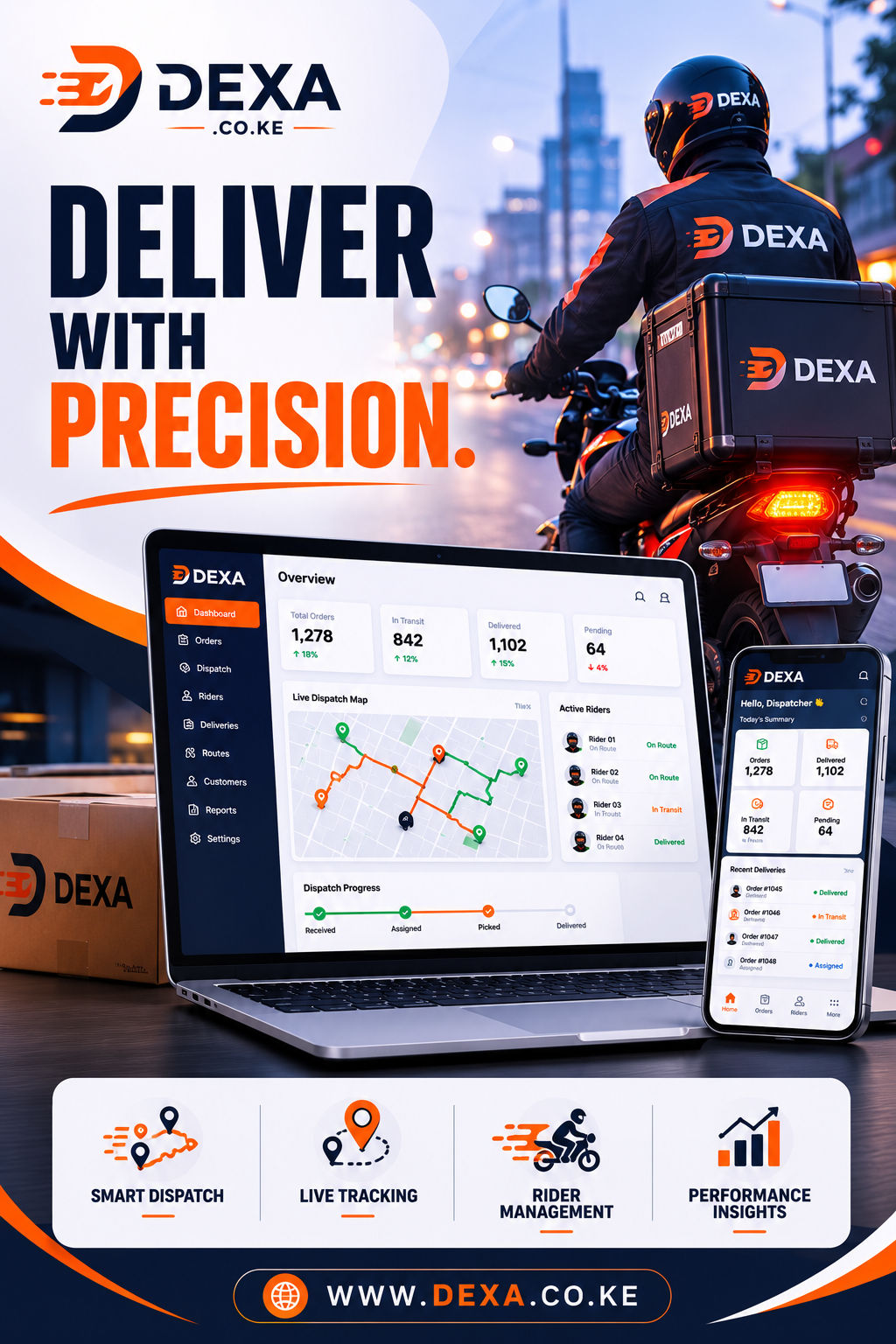
Transportation and Logistics Management Software helps businesses manage vehicles, drivers, transportation schedules, routes, shipments, deliveries, customers, fleet operations, and logistics processes from a centralized platform. For courier companies, distributors, transport companies, wholesalers, retailers, manufacturers, and e-commerce businesses, Transportation and Logistics Management Software can improve operational visibility and make it easier to coordinate the movement of goods.
Transportation management involves much more than moving products from one location to another. Businesses must coordinate vehicles, drivers, routes, fuel, maintenance, shipments, customers, delivery schedules, costs, and proof of delivery. When these activities are managed manually using spreadsheets, paperwork, phone calls, and separate applications, it can become difficult to maintain accurate information.
A centralized transportation and logistics platform connects these processes and provides businesses with better control over their daily operations.
What Is Transportation and Logistics Management Software?
Transportation and Logistics Management Software is a digital system designed to manage the transportation and movement of goods, shipments, and deliveries.
Depending on the business, the platform can manage:
- Transportation orders
- Shipment management
- Fleet management
- Driver management
- Vehicle tracking
- Route planning
- Dispatch management
- Delivery scheduling
- Fuel management
- Vehicle maintenance
- Customer management
- Proof of delivery
- Shipment tracking
- Invoicing
- Payment tracking
- Logistics reporting
The software creates a central source of information for transportation and logistics operations.
Why Transportation and Logistics Management Software Is Important
Transportation businesses deal with many moving parts every day.
A single delivery may involve:
Customer → Order → Shipment → Vehicle → Driver → Route → Delivery → Proof of Delivery → Billing
If each stage is handled separately, mistakes and delays can become difficult to identify.
Transportation and Logistics Management Software connects these stages and allows managers to monitor the entire process.
This can improve:
- Operational visibility
- Fleet utilization
- Driver coordination
- Delivery scheduling
- Customer communication
- Cost control
- Reporting
- Accountability
Transportation Order Management
The transportation process can begin when a customer creates a transport request.
The system can capture:
- Customer details
- Pickup location
- Delivery location
- Product information
- Package quantity
- Weight
- Dimensions
- Delivery requirements
- Preferred date
- Service type
- Transportation charges
Once the order is recorded, it can be prepared for dispatch.
Shipment Management
Shipment management provides a complete digital record for every shipment.
Each shipment can have a unique reference number containing information such as:
- Customer
- Sender
- Recipient
- Pickup address
- Destination
- Shipment type
- Assigned vehicle
- Assigned driver
- Current status
- Delivery date
- Payment status
This makes it easier for staff to locate shipment information quickly.
Fleet Management
Fleet management is one of the most important functions of Transportation and Logistics Management Software.
Businesses can manage information about:
- Cars
- Vans
- Motorcycles
- Trucks
- Trailers
- Other commercial vehicles
Each vehicle can have its own digital record.
The record may contain:
- Registration number
- Vehicle type
- Capacity
- Driver assignment
- Mileage
- Maintenance history
- Fuel records
- Insurance information
- Availability
This gives managers better visibility over their transportation resources.
Vehicle Tracking
GPS-based vehicle tracking can provide information about the location of active vehicles.
Managers may be able to see:
- Current vehicle location
- Active routes
- Driver assignments
- Delivery progress
- Vehicle movement
This is especially useful for businesses managing large fleets.
Driver Management
Drivers are responsible for executing transportation and delivery assignments.
A centralized system can maintain driver profiles containing:
- Driver name
- Contact details
- Assigned vehicle
- Availability
- License information
- Delivery history
- Current assignments
This makes driver allocation more organized.
Driver Assignment
Dispatchers can assign shipments to available drivers according to business requirements.
The assignment may consider:
- Driver availability
- Vehicle capacity
- Delivery location
- Shipment priority
- Route
- Delivery schedule
This can help prevent scheduling conflicts.
Route Planning
Efficient route planning can reduce unnecessary travel and improve delivery schedules.
Transportation and Logistics Management Software can help dispatchers organize routes based on:
- Pickup points
- Delivery locations
- Driver availability
- Vehicle capacity
- Delivery priorities
- Time windows
- Distance
For businesses handling multiple deliveries, route planning can become an important part of daily operations.
Route Optimization
Route optimization aims to find more efficient ways to complete transportation assignments.
For example, a driver handling several deliveries may be given a route sequence that minimizes unnecessary travel.
Depending on the platform, route optimization may consider:
- Distance
- Delivery priorities
- Vehicle capacity
- Time windows
- Traffic information
- Driver availability
This can help reduce fuel consumption and improve delivery efficiency.
Dispatch Management
Dispatch teams coordinate the movement of vehicles and shipments.
A dispatch dashboard can show:
- Pending assignments
- Available drivers
- Available vehicles
- Active trips
- Delayed deliveries
- Completed deliveries
- Failed deliveries
This allows dispatchers to respond quickly to operational changes.
Transportation Scheduling
Transportation companies often have to manage many trips simultaneously.
The system can organize:
- Pickup dates
- Delivery dates
- Driver schedules
- Vehicle schedules
- Customer time windows
- Recurring transportation assignments
This helps businesses avoid scheduling conflicts.
Delivery Scheduling
Some customers require delivery during specific time periods.
For example, a customer may request delivery between 8:00 AM and 11:00 AM.
The software can record these requirements and help dispatchers plan accordingly.
Same-Day Transportation
Same-day transportation requires efficient coordination.
Businesses need to quickly identify:
- Available vehicles
- Available drivers
- Shipment locations
- Delivery destinations
- Priority orders
- Suitable routes
A centralized system can make these decisions easier.
Long-Distance Transportation Management
Businesses transporting goods across counties, regions, or countries may need additional visibility into their trips.
The system can help manage:
- Long-distance routes
- Driver assignments
- Vehicle utilization
- Fuel consumption
- Trip expenses
- Delivery schedules
- Shipment status
This provides management with better control over transportation activities.
Trip Management
Each trip can be recorded as an individual operational activity.
Trip information may include:
- Vehicle
- Driver
- Origin
- Destination
- Departure time
- Expected arrival
- Actual arrival
- Distance
- Fuel consumption
- Assigned shipments
This creates a complete record of transportation activity.
Fuel Management
Fuel can represent a significant transportation expense.
Transportation and Logistics Management Software can help businesses record:
- Fuel purchases
- Fuel quantities
- Fuel costs
- Vehicle
- Driver
- Mileage
- Fuel consumption
Management can use this information to identify unusual consumption patterns.
Fuel Consumption Monitoring
Monitoring fuel consumption can help businesses understand how efficiently vehicles are operating.
Managers can compare fuel usage across:
- Vehicles
- Drivers
- Routes
- Periods
Unexpected increases may indicate maintenance issues, inefficient routes, excessive idling, or other operational problems.
Vehicle Maintenance Management
Regular vehicle maintenance is essential for transportation businesses.
The software can maintain records for:
- Service dates
- Oil changes
- Tire replacement
- Brake service
- Repairs
- Inspections
- Maintenance costs
This helps businesses keep track of vehicle maintenance requirements.
Preventive Maintenance Scheduling
Preventive maintenance can reduce the risk of unexpected vehicle breakdowns.
A system can help businesses schedule maintenance based on:
- Mileage
- Date
- Engine hours
- Manufacturer requirements
- Previous maintenance activity
Managers can receive reminders when maintenance is approaching.
Vehicle Availability
Managers need to know which vehicles are ready for use.
A vehicle can be categorized as:
- Available
- Assigned
- In transit
- Under maintenance
- Unavailable
- Retired
This makes fleet planning easier.
Vehicle Capacity Management
Different vehicles have different carrying capacities.
A transportation platform can store information about:
- Weight capacity
- Volume capacity
- Vehicle type
- Cargo space
Dispatchers can then assign appropriate vehicles to shipments.
Proof of Delivery
Proof of delivery confirms that a shipment reached the intended recipient.
Depending on the platform, drivers may capture:
- Recipient name
- Digital signature
- Photograph
- Timestamp
- GPS location
- Delivery notes
This information can be stored with the shipment record.
Failed Delivery Management
A delivery can fail for many reasons.
Examples include:
- Customer unavailable
- Incorrect address
- Vehicle breakdown
- Customer requested rescheduling
- Package damaged
- Destination inaccessible
The software can record the failure reason and allow staff to schedule the next action.
Delivery Rescheduling
When a delivery fails, the shipment can be rescheduled.
The system can record:
- Failed delivery reason
- New delivery date
- Updated instructions
- Driver assignment
- Customer communication
This creates a clear history of delivery attempts.
Real-Time Shipment Tracking
Customers want to know where their shipments are.
A tracking system can provide statuses such as:
- Shipment created
- Awaiting pickup
- Picked up
- In transit
- At facility
- Out for delivery
- Delivered
- Delayed
- Failed
This gives customers greater visibility.
Customer Tracking Portal
A customer portal can allow customers to check shipment status without calling the transportation company.
The customer can enter a tracking number and view available shipment information.
This can reduce the workload on customer service teams.
Customer Management
Transportation companies can maintain centralized customer records.
A customer profile may include:
- Name
- Company
- Phone
- Addresses
- Shipment history
- Billing information
- Payment history
This makes customer information easier to access.
Business Customer Management
Companies serving corporate customers may need more detailed account management.
Business profiles can include:
- Company information
- Contact persons
- Multiple delivery locations
- Contract details
- Agreed rates
- Shipment history
- Billing arrangements
This supports long-term commercial relationships.
Delivery Address Management
Customers can have multiple locations.
A system can store:
- Home address
- Office
- Warehouse
- Branch
- Store
- Distribution center
Saved addresses reduce repetitive manual entry.
Shipping Rate Management
Transportation charges may vary according to:
- Distance
- Weight
- Package size
- Vehicle type
- Delivery zone
- Service level
- Urgency
The system can help standardize these pricing rules.
Delivery Zone Management
A business can organize its service areas into zones.
For example:
- Local
- Regional
- National
- Remote
Different rates and service conditions can be associated with different zones.
Transportation Invoicing
Transportation services need accurate billing.
The system can generate invoices based on:
- Shipment
- Trip
- Distance
- Delivery service
- Additional charges
- Discounts
- Applicable taxes
This can reduce manual invoicing.
Payment Tracking
The software can track the status of transportation payments.
Payments can be classified as:
- Paid
- Partially paid
- Unpaid
- Overdue
This provides finance teams with better visibility.
Cash-on-Delivery Management
Some businesses collect payment when products are delivered.
The system can record:
- Expected collection
- Amount collected
- Shipment
- Driver
- Customer
- Payment method
- Collection status
This supports better reconciliation.
Cash Reconciliation
Transportation businesses may need to reconcile cash collected by drivers.
The system can compare:
Expected Amount → Collected Amount → Submitted Amount
Any difference can then be investigated.
Warehouse and Transportation Coordination
Transportation and warehouse teams need to work closely together.
A connected workflow might look like:
Order → Picking → Packing → Ready for Dispatch → Assigned → Dispatched → Delivered
This allows teams to understand the status of each shipment.
Logistics Dashboard
A centralized dashboard can provide an overview of transportation operations.
Managers may see:
- Total shipments
- Pending shipments
- Active trips
- Available vehicles
- Available drivers
- Delayed shipments
- Failed deliveries
- Completed deliveries
This makes it easier to identify problems quickly.
Logistics Performance Reports
Reporting helps businesses understand how their transportation operations are performing.
Reports can cover:
- Shipment volume
- Delivery success rate
- Failed deliveries
- Average delivery time
- Vehicle utilization
- Driver performance
- Fuel consumption
- Maintenance costs
- Transportation revenue
These insights can support better decision-making.
Driver Performance Reports
Businesses can monitor operational driver metrics such as:
- Assigned trips
- Completed deliveries
- Failed deliveries
- Delivery time
- Route activity
- Customer feedback
The purpose should be to identify operational improvements and training needs.
Fleet Performance Reports
Fleet reports can show:
- Vehicle utilization
- Mileage
- Fuel consumption
- Maintenance expenses
- Trip volume
- Vehicle availability
This can help managers determine which vehicles are being used efficiently.
Transportation Cost Management
Transportation expenses can significantly affect profitability.
Businesses can monitor:
- Fuel expenses
- Maintenance costs
- Driver expenses
- Insurance-related costs
- Outsourced transport
- Route costs
- Vehicle operating costs
Centralized reporting helps management understand these expenses.
Reducing Transportation Costs
Transportation and Logistics Management Software can help identify inefficient operations.
For example, businesses may discover:
- Vehicles making unnecessary trips
- Poorly planned routes
- Excessive fuel consumption
- Frequent failed deliveries
- Underutilized vehicles
- High-cost delivery zones
Management can then take corrective action.
Transportation and Logistics Management Software for Courier Companies
Courier businesses manage large numbers of shipments, often involving multiple riders and vehicles.
The software can connect:
Customer → Shipment → Dispatch → Rider → Route → Delivery → Proof of Delivery
This helps courier companies manage their daily operations more efficiently.
Transportation and Logistics Management Software for E-Commerce
E-commerce businesses need transportation systems that can handle orders after customers complete online purchases.
The workflow can be:
Online Order → Shipment → Packing → Dispatch → Transportation → Delivery
Connecting these stages improves visibility from purchase to delivery.
Transportation and Logistics Management Software for Distributors
Distributors may transport large quantities of goods to retailers, wholesalers, and business customers.
The software can manage:
- Distribution orders
- Delivery schedules
- Vehicles
- Drivers
- Routes
- Customers
- Proof of delivery
- Billing
This connects distribution and transportation operations.
Transportation and Logistics Management Software for Manufacturers
Manufacturers often need to transport products from factories to warehouses, distributors, retailers, or customers.
A transportation management system can help coordinate:
- Outbound shipments
- Vehicle assignments
- Delivery schedules
- Routes
- Shipment tracking
- Delivery confirmation
This can improve supply chain visibility.
Transportation and Logistics Management Software for Retail Businesses
Retailers with delivery operations can use the software to coordinate customer orders and transportation.
The platform can help manage:
- Customer orders
- Delivery charges
- Drivers
- Vehicles
- Routes
- Delivery schedules
- Tracking
This is particularly useful for businesses offering home delivery.
Transportation and Logistics Management Software for Kenya
Transportation and Logistics Management Software can help Kenyan businesses manage local and regional transportation operations.
A Kenyan business may need to coordinate:
- Trucks
- Vans
- Motorcycles
- Drivers
- Riders
- Deliveries
- Shipments
- Fuel
- Vehicle maintenance
- Customer payments
- Mobile payments
- Proof of delivery
A platform designed around these requirements can help businesses improve transportation visibility and operational control.
Mobile Payment Integration
Where supported, transportation software can integrate with payment services to connect payments with transportation records.
This can help businesses associate transactions with:
- Customers
- Shipments
- Orders
- Invoices
- Delivery records
It can also simplify payment reconciliation.
Driver Mobile Applications
A mobile application can give drivers direct access to their transportation assignments.
Drivers can potentially:
- View trips
- View customer information
- Access routes
- Update statuses
- Capture delivery confirmation
- Report issues
- Record notes
This connects field operations with the central transportation platform.
Benefits of Transportation and Logistics Management Software
A properly implemented system can provide several benefits.
Better Fleet Visibility
Managers can see how vehicles are being utilized.
Improved Driver Coordination
Dispatchers can allocate work more systematically.
Better Route Planning
Routes can be organized according to delivery requirements.
Reduced Administrative Work
Digital workflows reduce manual paperwork.
Improved Shipment Tracking
Customers and staff can access shipment status information.
Better Cost Control
Fuel, maintenance, and transportation expenses can be monitored.
Improved Customer Service
Customers can receive updates and delivery information more efficiently.
Better Business Reporting
Management can make decisions based on transportation data.
How to Choose Transportation and Logistics Management Software
Businesses should select software according to their fleet and transportation requirements.
Important features to consider include:
- Fleet management
- Driver management
- Vehicle tracking
- Shipment management
- Dispatch management
- Route planning
- Route optimization
- Fuel management
- Maintenance management
- Proof of delivery
- Customer tracking
- Notifications
- Invoicing
- Payment management
- Reporting
- Mobile applications
- User permissions
- System integrations
The software should support the actual way the company operates.
Questions to Ask Before Buying
Before selecting Transportation and Logistics Management Software, ask:
Can it manage vehicles and drivers?
Can it track shipments?
Can dispatchers assign trips?
Can drivers access assignments from their phones?
Can it provide GPS tracking?
Can it manage vehicle maintenance?
Can it monitor fuel consumption?
Can customers track shipments?
Can it capture proof of delivery?
Can it manage failed deliveries?
Can it generate transportation invoices?
Can it track payments?
Can it produce fleet and logistics reports?
Can it integrate with existing business systems?
These questions can help businesses identify a solution that fits their transportation operations.
Why Manual Transportation Management Becomes Difficult
Small transportation businesses may initially use spreadsheets, notebooks, phone calls, and messaging applications.
As the business grows, however, these methods can lead to:
- Lost records
- Duplicate information
- Poor driver coordination
- Incorrect vehicle assignments
- Difficult fuel tracking
- Missed maintenance
- Delayed customer updates
- Difficult reporting
Transportation and Logistics Management Software provides a centralized alternative.
Connecting Transportation and Logistics Operations
The biggest advantage of centralized software is the ability to connect transportation activities.
Instead of separate records for customers, shipments, drivers, vehicles, and payments, businesses can create one connected process:
Customer → Order → Shipment → Vehicle → Driver → Route → Delivery → Proof of Delivery → Invoice
This gives management a clearer picture of every transportation transaction.
The Future of Transportation and Logistics Management Software
Transportation technology continues to move toward automation and real-time visibility.
Future transportation systems are likely to place greater emphasis on:
- Real-time GPS tracking
- Automated route optimization
- Predictive maintenance
- Fleet analytics
- Digital proof of delivery
- Automated customer notifications
- Mobile driver applications
- Connected e-commerce platforms
- Automated transportation billing
- Data-driven fleet management
These technologies can help businesses make transportation operations more efficient and responsive.
Conclusion
Transportation and Logistics Management Software provides businesses with a centralized platform for managing vehicles, drivers, shipments, routes, dispatch operations, deliveries, customers, fuel, maintenance, payments, and logistics reporting.
For courier companies, distributors, manufacturers, retailers, e-commerce businesses, and transport operators, the right system can replace fragmented processes with a connected transportation workflow. Instead of relying on spreadsheets, paper records, phone calls, and separate applications, businesses can manage transportation activities from order creation through final delivery.
The best Transportation and Logistics Management Software should do more than track vehicles. It should help businesses coordinate drivers, plan routes, manage shipments, monitor fleet performance, control transportation costs, capture proof of delivery, manage maintenance, and provide useful operational reports.
For growing businesses, implementing Transportation and Logistics Management Software can improve visibility, reduce administrative work, strengthen fleet control, improve customer service, and provide the information managers need to make better transportation and logistics decisions.
transportation and logistics management software
transportation and logistics management software
transportation and logistics management software
transportation and logistics management software
transportation and logistics management software
transportation and logistics management software
transportation and logistics management software
transportation and logistics management software
transportation and logistics management software
transportation and logistics management software
transportation and logistics management software
transportation and logistics management software
transportation and logistics management software