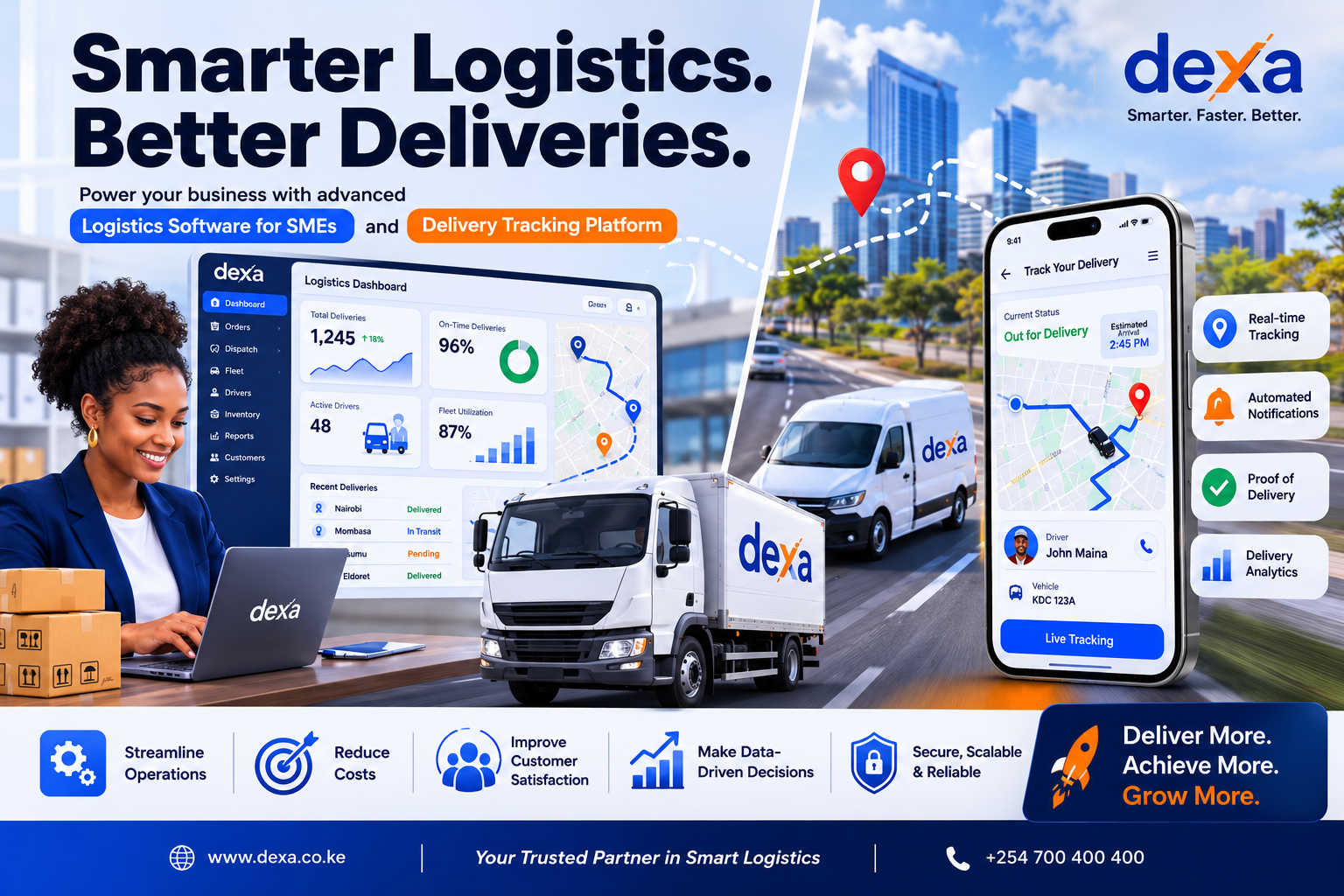
Logistics Software for SMEs – The Complete Guide to Smarter Logistics Management
In today’s competitive business environment, efficient logistics can make the difference between a thriving business and one struggling to retain customers. Small and medium-sized enterprises (SMEs) face increasing pressure to deliver products faster, reduce operational costs, and provide exceptional customer experiences. Meeting these expectations with manual processes, spreadsheets, phone calls, and paper records has become increasingly difficult.
This is where Logistics Software for SMEs becomes an essential business tool. It helps businesses automate logistics operations, improve visibility across the supply chain, optimize fleet utilization, and ensure goods reach customers accurately and on time.
Whether you operate a courier company, wholesale business, e-commerce store, distribution company, manufacturing enterprise, or retail business, implementing modern logistics software enables you to simplify operations while preparing your company for sustainable growth.
At Dexa, we understand the operational challenges that SMEs experience every day. Our cloud-based logistics management platform is designed to simplify dispatching, delivery tracking, fleet management, customer communication, and reporting, allowing businesses to focus more on growth and customer satisfaction rather than administrative tasks.
Why Logistics Matters More Than Ever
Customer expectations have changed dramatically over the last few years. Businesses are now expected to provide:
- Faster deliveries
- Real-time shipment updates
- Accurate delivery timelines
- Flexible delivery scheduling
- Reliable customer support
- Digital proof of delivery
At the same time, fuel prices, labour costs, and operational expenses continue to rise. SMEs cannot afford inefficiencies that waste resources or reduce profitability.
Without a structured logistics management system, businesses often experience:
- Delayed deliveries
- Lost shipments
- Poor communication between dispatchers and drivers
- Manual scheduling errors
- Inefficient vehicle utilization
- High transportation costs
- Limited visibility into daily operations
- Customer complaints caused by lack of delivery updates
These challenges directly affect customer trust, employee productivity, and overall business growth.
Modern logistics software addresses these issues by centralizing operations and automating repetitive tasks.
What is Logistics Software for SMEs?
Logistics Software for SMEs is a digital platform that helps businesses manage the movement of goods, vehicles, drivers, customers, warehouses, and deliveries from a single centralized system.
Instead of relying on multiple disconnected tools, businesses can coordinate every stage of the logistics process through one integrated platform.
Typical modules include:
- Order management
- Delivery scheduling
- Dispatch management
- Fleet management
- Route optimization
- Driver management
- Warehouse coordination
- Customer notifications
- Delivery tracking
- Reporting and analytics
- Electronic proof of delivery
- Invoice management
The result is a faster, more accurate, and highly efficient logistics operation.
Why SMEs Should Invest in Logistics Software
Many business owners assume logistics software is only suitable for large corporations with extensive fleets. In reality, SMEs often benefit even more because they have fewer resources to absorb operational inefficiencies.
A cloud-based logistics solution enables smaller businesses to compete with larger organizations by improving service quality without significantly increasing operational costs.
Some of the biggest advantages include:
Reduced Operational Costs
Manual logistics processes consume valuable employee time and often result in expensive mistakes.
Automation helps reduce:
- Paperwork
- Administrative workload
- Fuel consumption
- Delivery delays
- Human errors
- Vehicle downtime
- Duplicate data entry
Lower operating costs translate into improved profitability.
Improved Delivery Performance
Customers value reliability as much as speed.
Logistics software allows dispatch teams to:
- Assign deliveries quickly
- Track every shipment
- Monitor driver progress
- Resolve delays immediately
- Notify customers automatically
This improves on-time delivery performance while reducing customer complaints.
Better Fleet Utilization
Company vehicles represent a significant investment.
Without proper management, businesses often experience:
- Idle vehicles
- Poor route planning
- High maintenance costs
- Increased fuel expenses
- Unbalanced driver workloads
Logistics software provides complete visibility into fleet operations, ensuring every vehicle is used efficiently.
Enhanced Customer Satisfaction
Today’s customers expect transparency throughout the delivery journey.
Modern logistics systems provide:
- SMS notifications
- Email updates
- Delivery confirmations
- Estimated arrival times
- Live tracking
- Digital proof of delivery
Customers appreciate knowing exactly where their orders are, improving trust and encouraging repeat business.
Key Features of Logistics Software for SMEs
Choosing the right platform involves understanding which features will have the greatest impact on daily operations.
Centralized Order Management
Every order enters one centralized dashboard where staff can:
- Create orders
- Edit deliveries
- Assign priorities
- Track order status
- Generate invoices
- View customer information
Centralized order management reduces confusion and improves coordination between departments.
Smart Dispatch Management
Manual dispatching becomes increasingly difficult as delivery volumes increase.
Smart dispatch systems automatically assign deliveries based on:
- Driver availability
- Vehicle capacity
- Delivery location
- Traffic conditions
- Delivery priority
- Workload balancing
This reduces delays while maximizing operational efficiency.
Real-Time Fleet Tracking
Knowing where vehicles are at any moment provides significant operational advantages.
Fleet tracking enables managers to:
- Monitor drivers live
- View completed deliveries
- Identify delays
- Improve accountability
- Respond quickly to customer inquiries
Real-time visibility also strengthens security by helping recover vehicles or goods in case of unexpected incidents.
Route Optimization
One of the largest operational expenses for SMEs is transportation.
Poor route planning results in:
- Longer travel times
- Increased fuel consumption
- More vehicle wear
- Late deliveries
Logistics software automatically recommends the most efficient routes, helping businesses complete more deliveries using fewer resources.
Driver Management
Managing drivers manually often creates scheduling conflicts and communication gaps.
A dedicated driver management module allows businesses to:
- Assign jobs digitally
- Track driver performance
- Record completed deliveries
- Capture proof of delivery
- Monitor working hours
- Evaluate productivity
Managers gain better oversight while drivers receive clear instructions through mobile devices.
Inventory and Warehouse Coordination
Many SMEs manage inventory alongside transportation.
Integrated warehouse management ensures:
- Accurate stock levels
- Faster order fulfillment
- Reduced stock discrepancies
- Efficient picking processes
- Improved warehouse visibility
This minimizes delays caused by unavailable inventory.
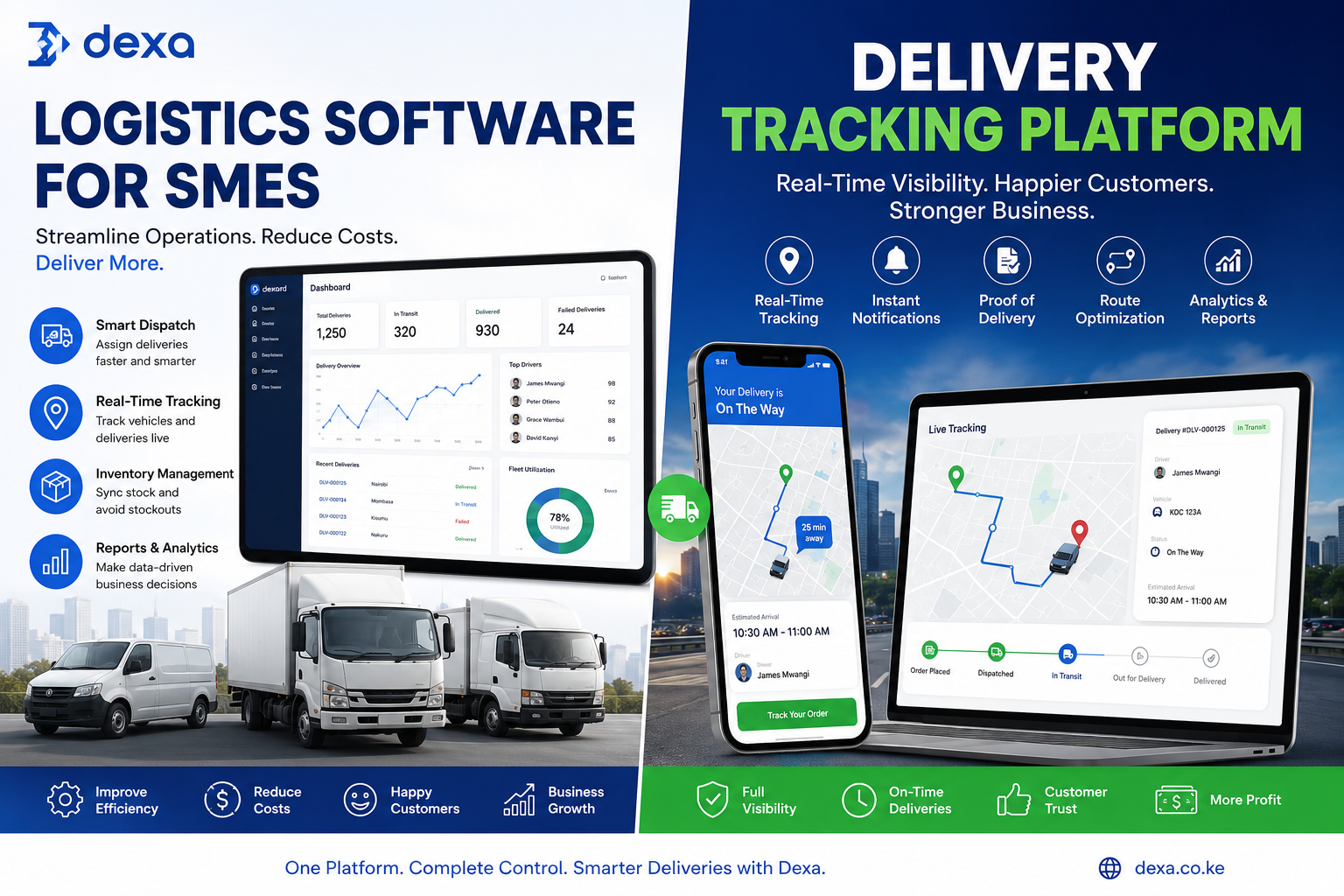
How Logistics Software Improves Daily Operations
Every department benefits from digital logistics management.
Sales Teams
Sales representatives can instantly confirm order status and provide accurate delivery updates to customers.
Dispatch Teams
Dispatchers spend less time coordinating drivers manually and more time optimizing delivery schedules.
Warehouse Staff
Warehouse employees receive accurate picking instructions, reducing fulfillment errors.
Drivers
Drivers receive optimized routes, digital delivery instructions, and mobile access to customer information.
Business Owners
Owners gain access to dashboards showing business performance, delivery efficiency, revenue trends, fleet utilization, and customer service metrics.
Signs Your Business Needs Logistics Software for SMEs
Many SMEs continue using manual systems long after they have outgrown them.
You should consider implementing Logistics Software for SMEs if your business experiences any of the following:
- Deliveries are frequently delayed.
- Drivers rely on phone calls for instructions.
- Customers regularly ask for shipment updates.
- Dispatching takes too much time.
- Fleet expenses continue to increase.
- Delivery records are difficult to retrieve.
- Inventory and deliveries are disconnected.
- Staff spend hours preparing reports.
- Business growth is creating operational bottlenecks.
Recognizing these signs early allows businesses to improve efficiency before logistics challenges begin affecting customer satisfaction and profitability.
Why Cloud-Based Logistics Software is Ideal for SMEs
Traditional on-premise software often requires expensive hardware, lengthy installations, and dedicated IT support.
Cloud-based logistics platforms offer a more practical alternative for SMEs by providing:
- Lower upfront costs
- Faster deployment
- Automatic software updates
- Secure cloud storage
- Access from anywhere
- Easy scalability as the business grows
- Reduced maintenance requirements
With internet connectivity, business owners, dispatchers, and managers can monitor operations from the office, warehouse, or while travelling, ensuring decisions are based on real-time information rather than outdated reports.
As your business grows, managing logistics using spreadsheets, phone calls, and paper records becomes increasingly difficult. Missed deliveries, delayed dispatches, inaccurate inventory, and communication gaps all reduce profitability and customer satisfaction. Modern logistics software solves these challenges by bringing every logistics operation into one centralized digital platform.
For small and medium-sized enterprises (SMEs), adopting the right logistics software is no longer a luxury—it is an investment that enables sustainable growth, operational efficiency, and better customer experiences. Cloud-based logistics platforms have made advanced logistics management affordable and accessible even for businesses with limited resources. Many modern systems now include route optimization, real-time tracking, automation, and mobile accessibility, helping SMEs compete more effectively with larger organizations. (leta.ai)
Advanced Features Every SME Should Look For
Choosing logistics software should go beyond simply replacing manual processes. A complete solution should support every stage of the logistics lifecycle.
Intelligent Dispatch Management
Instead of assigning deliveries manually, intelligent dispatch tools automatically allocate jobs based on:
- Driver availability
- Vehicle capacity
- Delivery priority
- Customer location
- Traffic conditions
This reduces delays while ensuring resources are utilized efficiently.
Real-Time Shipment Tracking
Customers increasingly expect visibility throughout the delivery journey.
Modern logistics software enables:
- GPS tracking
- Live delivery status
- Estimated arrival times
- Driver location monitoring
- Automated delivery confirmations
These capabilities improve transparency while significantly reducing customer support inquiries.
Inventory Synchronization
For SMEs handling warehousing and deliveries simultaneously, inventory integration is invaluable.
Benefits include:
- Automatic stock updates
- Warehouse synchronization
- Low-stock alerts
- Batch tracking
- Reduced stock discrepancies
Digital Documentation
Replacing paper-based documentation saves both time and storage costs.
Digitize:
- Delivery notes
- Proof of delivery
- Invoices
- Waybills
- Customer signatures
- Receipts
Employees can retrieve documents instantly whenever required.
Integrations that Improve Productivity
A powerful logistics system should integrate seamlessly with existing business tools.
Popular integrations include:
| Business Function | Benefit |
|---|---|
| Accounting Software | Automatic invoice synchronization |
| Payment Gateways | Faster payment processing |
| CRM Systems | Improved customer management |
| GPS Tracking | Accurate fleet monitoring |
| SMS & Email | Automated customer notifications |
| Mobile Apps | Driver communication and updates |
| ERP Systems | Unified business operations |
These integrations eliminate duplicate data entry while improving operational accuracy.
Industry Applications
A flexible logistics platform supports many industries.
Courier Companies
Courier businesses use logistics software to:
- Schedule pickups
- Assign drivers
- Track parcels
- Capture proof of delivery
- Monitor delivery performance
Retail Businesses
Retailers benefit through:
- Order management
- Warehouse coordination
- Delivery scheduling
- Inventory synchronization
- Customer notifications
Wholesale Distribution
Wholesalers manage:
- Multiple warehouses
- Delivery routes
- Dealer orders
- Vehicle allocation
- Bulk shipments
E-commerce Businesses
Online stores depend heavily on logistics software for:
- Order fulfillment
- Delivery tracking
- Customer communication
- Returns management
- Shipping automation
Manufacturing Companies
Manufacturers use logistics platforms to coordinate:
- Raw material transportation
- Finished goods distribution
- Supplier deliveries
- Fleet utilization
How Dexa Supports SME Logistics Operations
At dexa.co.ke, businesses can access logistics software designed to simplify transport and delivery operations without requiring expensive infrastructure.
A modern cloud-based platform enables SMEs to:
- Manage deliveries from one dashboard
- Monitor drivers in real time
- Generate operational reports
- Automate dispatch processes
- Track delivery performance
- Reduce operational costs
- Improve customer communication
Unlike manual systems that become increasingly difficult to manage as businesses grow, cloud logistics software scales with your operations while remaining easy to use.
Best Practices for Successful Implementation
Implementing logistics software successfully requires proper planning.
Train Employees
Ensure dispatchers, warehouse staff, drivers, and managers understand the system before going live.
Start with Existing Processes
Configure the software around your current workflow before introducing advanced automation.
Maintain Accurate Data
Clean customer, inventory, and vehicle records improve reporting accuracy and automation.
Monitor Performance
Review KPIs such as:
- Delivery completion rate
- Average delivery time
- Fuel consumption
- Driver productivity
- Customer satisfaction
- Failed deliveries
Update Regularly
Cloud platforms continuously introduce new features, security improvements, and performance enhancements.
Common Challenges SMEs Can Eliminate
Businesses that implement logistics software often overcome issues such as:
- Lost delivery records
- Manual dispatch errors
- Delayed deliveries
- Poor driver accountability
- Customer complaints
- Duplicate data entry
- Inaccurate reporting
- Inefficient route planning
- Inventory mismatches
By digitizing logistics operations, SMEs gain greater control over daily activities and can respond more quickly to changing customer demands.
Frequently Asked Questions
What is logistics software for SMEs?
It is software designed to help small and medium-sized businesses manage deliveries, dispatching, fleet operations, inventory, and customer communication from a centralized platform.
Can small businesses afford logistics software?
Yes. Many cloud-based solutions offer scalable pricing models that allow SMEs to access enterprise-level functionality without significant upfront investment. (logixsaas.com)
Does logistics software improve customer service?
Absolutely. Real-time tracking, automated notifications, faster deliveries, and accurate order information create a better customer experience.
Is cloud logistics software secure?
Yes. Reputable providers use secure cloud infrastructure, encrypted data transmission, user access controls, and regular backups to protect business information.
Can the software grow with my business?
Yes. Cloud logistics software is designed to scale as delivery volumes, fleets, warehouses, and customers increase.
Conclusion
Investing in is one of the smartest decisions a growing business can make. By automating dispatch, tracking deliveries in real time, integrating inventory, and providing actionable business insights, logistics software helps SMEs improve efficiency, reduce costs, and deliver exceptional customer experiences.
Whether you operate a courier company, retail business, distribution network, e-commerce store, or manufacturing enterprise, the right solution provides the operational visibility needed to grow confidently in an increasingly competitive market. Businesses that embrace digital logistics today are better positioned to improve productivity, streamline operations, and build lasting customer trust.
If you’re looking for a reliable logistics solution tailored to Kenyan businesses, Dexa offers scalable, cloud-based software that simplifies logistics management and supports sustainable business growth.