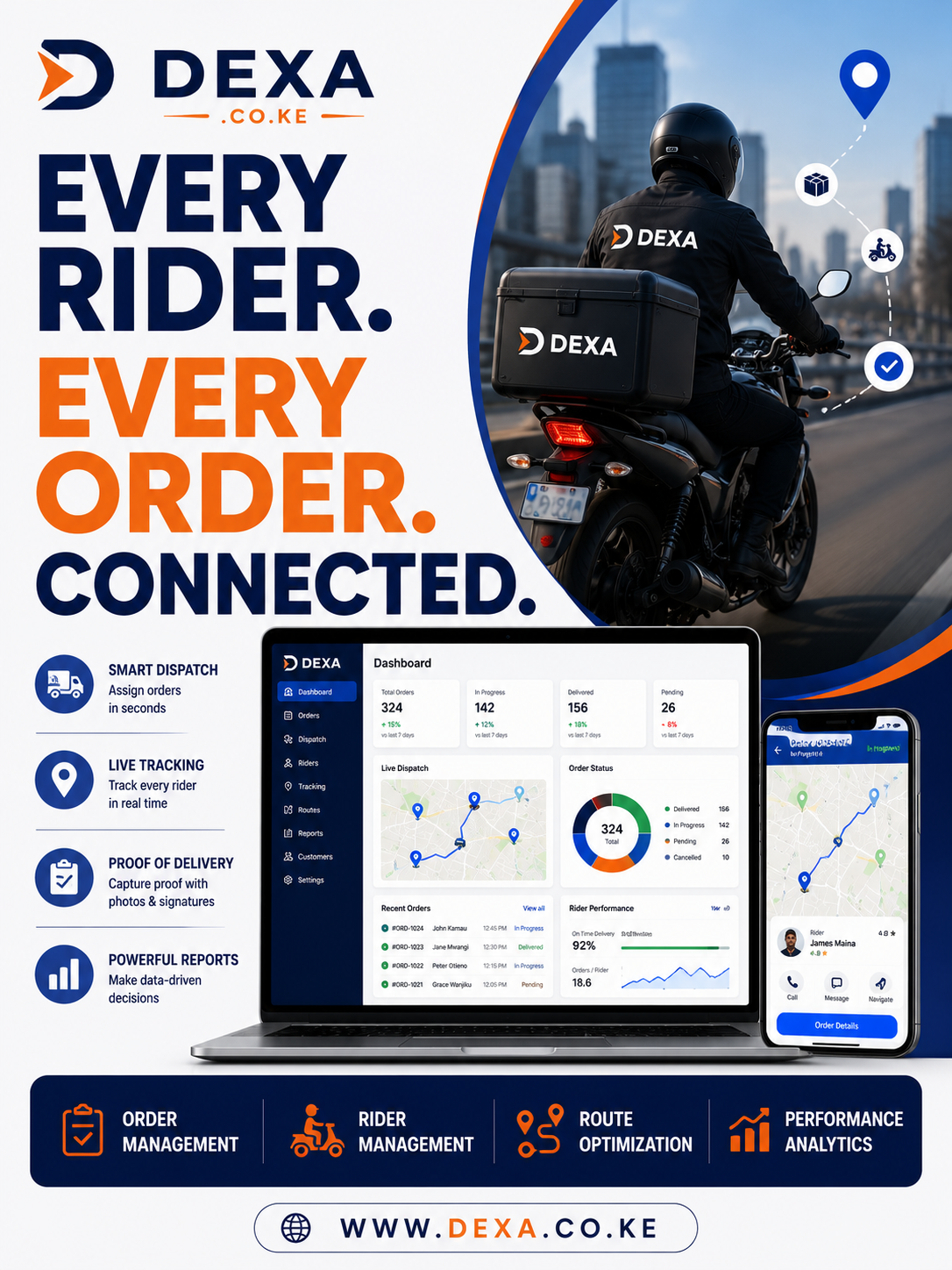
AI dispatch management software is transforming how businesses manage deliveries, field service teams, transportation, and logistics operations. Companies no longer need to rely on manual dispatching, spreadsheets, or phone calls to coordinate drivers and deliveries. Artificial Intelligence is making dispatching faster, more accurate, and highly efficient.
Whether you operate a courier company, logistics business, emergency response service, utility company, field service organization, or retail distribution network, adopting AI dispatch management software can dramatically reduce operational costs while improving customer satisfaction.
In this comprehensive guide, you’ll discover how AI-powered dispatching works, its benefits, must-have features, industries that use it, implementation strategies, future trends, and how to choose the best solution for your business.
Table of Contents
ToggleWhat is AI Dispatch Management Software?
AI dispatch management software is a digital platform that uses Artificial Intelligence and Machine Learning to automate dispatch operations.
Instead of assigning jobs manually, the software analyzes multiple variables simultaneously including:
- Driver location
- Vehicle availability
- Traffic conditions
- Delivery priority
- Customer location
- Driver workload
- Delivery windows
- Vehicle capacity
- Fuel consumption
- Historical delivery performance
Within seconds, the AI recommends the most efficient assignment.
This saves dispatchers countless hours while reducing human errors.
Why Businesses Need AI Dispatch Management Software
Customer expectations have changed dramatically.
People now expect:
- Same-day deliveries
- Live tracking
- Instant updates
- Faster response times
- Accurate arrival estimates
Manual dispatching struggles to meet these expectations.
Businesses often experience:
- Late deliveries
- Wrong driver assignments
- Higher fuel costs
- Missed appointments
- Poor communication
- Idle vehicles
- Unhappy customers
AI dispatch management software solves these challenges through intelligent automation.
How AI Dispatch Management Software Works
An AI-powered dispatch platform collects data from various sources.
These include:
- GPS devices
- Mobile apps
- Driver locations
- Traffic APIs
- Customer orders
- Historical routes
- Vehicle sensors
- Weather reports
- Business rules
The AI engine continuously processes this information.
It instantly determines:
- Best driver
- Fastest route
- Lowest fuel consumption
- Delivery priority
- Driver availability
- Customer urgency
The system updates recommendations automatically whenever new information becomes available.
Core Features of AI Dispatch Management Software
Intelligent Job Assignment
The software automatically assigns deliveries based on:
- Driver proximity
- Skills
- Vehicle type
- Current workload
- Availability
- Delivery urgency
No manual intervention required.
AI Route Optimization
Rather than choosing the shortest distance alone, AI considers:
- Traffic congestion
- Road closures
- Weather
- Vehicle capacity
- Delivery time windows
- Fuel efficiency
The result is significantly lower transportation costs.
Real-Time GPS Tracking
Businesses can monitor:
- Vehicle locations
- Driver movement
- Route deviations
- Delivery progress
- Idle time
Managers gain complete operational visibility.
Automated Scheduling
The software schedules:
- Driver shifts
- Deliveries
- Pickups
- Maintenance
- Route planning
Everything happens automatically.
Delivery ETA Prediction
Artificial Intelligence predicts arrival times using:
- Historical traffic
- Live traffic
- Road conditions
- Driver behavior
- Weather
Customers receive highly accurate ETAs.
Smart Notifications
Automatic notifications include:
- Driver assigned
- Driver en route
- Delivery completed
- Delay alerts
- Proof of delivery
Communication becomes seamless.
Digital Proof of Delivery
Drivers capture:
- Photos
- Digital signatures
- GPS coordinates
- Delivery timestamps
Everything is stored automatically.
Fleet Analytics Dashboard
Managers monitor:
- Delivery success rates
- Driver productivity
- Vehicle utilization
- Fuel costs
- Revenue
- Customer satisfaction
- Route efficiency
Reports update in real time.
Benefits of AI Dispatch Management Software
Faster Dispatching
Jobs that previously took several minutes now take seconds.
Reduced Fuel Costs
Optimized routing reduces:
- Mileage
- Engine idle time
- Traffic delays
- Unnecessary trips
Businesses often save thousands annually.
Improved Driver Productivity
Drivers spend less time waiting.
They receive optimized assignments automatically.
More deliveries can be completed each day.
Better Customer Experience
Customers appreciate:
- Live tracking
- Faster deliveries
- Accurate ETAs
- Real-time notifications
This increases loyalty.
Lower Operational Costs
Automation reduces:
- Administrative work
- Human errors
- Manual scheduling
- Overtime expenses
Higher Dispatcher Efficiency
Instead of manually coordinating drivers, dispatchers focus on exceptions and customer service.
Better Decision Making
Real-time dashboards provide valuable operational insights.
Managers can quickly identify bottlenecks.
Industries That Use AI Dispatch Management Software
Courier Services
Courier companies optimize:
- Package deliveries
- Same-day shipping
- Driver assignments
Logistics Companies
Large logistics providers manage:
- Regional deliveries
- Cross-country transport
- Multi-stop routing
Food Delivery
Restaurants use AI dispatching to assign nearby drivers instantly.
Medical Delivery
Hospitals transport:
- Medicine
- Blood
- Laboratory samples
- Medical equipment
AI ensures urgency is prioritized.
Utility Companies
Electricity, water, and telecom providers dispatch technicians efficiently.
HVAC Services
Field technicians receive optimized service schedules.
Plumbing Companies
Emergency calls are assigned automatically.
Construction Companies
Equipment, materials, and workers are dispatched efficiently.
Retail Distribution
Retail chains coordinate warehouse deliveries with AI.
AI Route Optimization Explained
Traditional routing focuses mainly on shortest distance.
AI routing considers:
- Delivery deadlines
- Fuel consumption
- Driver breaks
- Customer priority
- Vehicle size
- Road restrictions
- Traffic patterns
The software recalculates routes continuously.
Intelligent Driver Assignment
AI evaluates dozens of variables simultaneously.
For example:
Driver A
- 3 km away
- Small van
- Light workload
Driver B
- 2 km away
- Large truck
- Nearly full schedule
The software determines which driver is the better choice based on the delivery requirements—not simply proximity.
Predictive Dispatching
Predictive AI analyzes historical data.
It forecasts:
- Busy periods
- Vehicle demand
- Driver availability
- Delivery volume
Businesses prepare resources before demand spikes.
Real-Time Fleet Monitoring
Fleet managers monitor:
- Active vehicles
- Completed deliveries
- Driver speed
- Idle time
- Vehicle health
- Fuel usage
- Delays
Everything appears on one dashboard.
AI-Powered Customer Communication
Customers automatically receive:
- Order confirmation
- Dispatch notification
- Driver tracking link
- ETA updates
- Delay alerts
- Delivery confirmation
No manual calls required.
Delivery Performance Analytics
Analytics measure:
- Average delivery time
- First-attempt success rate
- Failed deliveries
- Driver productivity
- Customer ratings
- Revenue per vehicle
- Cost per delivery
These insights support continuous improvement.
AI Dispatch Management Software vs Traditional Dispatch Systems
| Feature | Traditional | AI Dispatch |
|---|---|---|
| Manual Scheduling | Yes | No |
| AI Optimization | No | Yes |
| Live Tracking | Limited | Yes |
| ETA Prediction | Basic | Advanced |
| Automatic Dispatch | No | Yes |
| Predictive Analytics | No | Yes |
| Driver Optimization | Limited | Intelligent |
| Fuel Optimization | Minimal | Advanced |
Integration with Business Systems
Modern AI dispatch management software integrates with:
- ERP systems
- CRM software
- Inventory management
- Warehouse systems
- Accounting software
- Payment gateways
- GPS devices
- Mobile apps
- SMS platforms
- Email systems
This eliminates duplicate data entry and improves operational efficiency.
Mobile Applications for Drivers
Drivers benefit from dedicated mobile apps that provide:
- Assigned jobs
- Navigation
- Route updates
- Customer details
- Digital signatures
- Photo uploads
- Status updates
- Messaging
Everything they need is available on a smartphone or tablet.
Cloud-Based AI Dispatch Management Software
Cloud deployment offers several advantages:
- Access from anywhere
- Automatic updates
- Lower infrastructure costs
- Easy scalability
- Enhanced security
- Reliable backups
- Multi-branch management
Businesses can manage operations across multiple locations without maintaining on-premise servers.
Security and Compliance
A robust AI dispatch platform should include:
- Role-based access control
- Data encryption
- Secure cloud storage
- Audit logs
- Multi-factor authentication
- Backup and disaster recovery
- GDPR or local data compliance where applicable
Protecting operational and customer data is essential.
Choosing the Best AI Dispatch Management Software
When evaluating solutions, consider:
- Ease of use
- AI-powered automation
- Real-time tracking
- Mobile applications
- Route optimization
- Reporting and analytics
- API integrations
- Scalability
- Security
- Customer support
- Customization options
- Pricing model
Request a demonstration and pilot test before making a long-term commitment.
Best Practices for Implementation
Successful adoption involves:
- Define clear business objectives.
- Clean and organize existing dispatch data.
- Train dispatchers and drivers thoroughly.
- Integrate with existing systems.
- Monitor performance metrics.
- Gather user feedback.
- Refine workflows continuously.
Starting with one region or team before scaling company-wide can reduce implementation risks.
Common Challenges and How AI Solves Them
Traffic Delays
AI recalculates routes in real time to avoid congestion.
Driver Shortages
The system balances workloads and maximizes driver productivity.
High Fuel Costs
Optimized routes reduce unnecessary mileage.
Missed Deliveries
Accurate ETAs and automated reminders improve first-attempt delivery rates.
Poor Communication
Automatic notifications keep customers informed throughout the delivery journey.
Manual Errors
Automation minimizes incorrect assignments and scheduling mistakes.
Future Trends in AI Dispatch Management Software
The future of dispatch management will include:
- Autonomous vehicle integration
- AI voice assistants for dispatchers
- Predictive maintenance scheduling
- Drone delivery coordination
- Advanced demand forecasting
- Computer vision for proof of delivery
- IoT-enabled fleet monitoring
- Carbon footprint optimization
- Hyper-personalized customer notifications
- Generative AI for operational insights and reporting
Organizations that adopt these innovations early will gain a competitive advantage.
Frequently Asked Questions
What is AI dispatch management software?
It is software that uses Artificial Intelligence to automate job assignments, optimize routes, track fleets, and improve delivery operations.
Can small businesses use it?
Yes. Many cloud-based solutions are designed for startups, SMEs, and growing enterprises.
Does it reduce operating costs?
Yes. Businesses often see savings through lower fuel consumption, improved driver utilization, and reduced manual work.
Is it suitable for field service companies?
Absolutely. It is ideal for HVAC, plumbing, electrical, telecom, maintenance, and other field service organizations.
Can it integrate with existing software?
Most modern platforms integrate with ERP, CRM, accounting systems, warehouse management systems, GPS devices, and customer communication tools.
Does it require expensive hardware?
Not necessarily. Many cloud solutions only require internet access and smartphones for drivers.
Measuring Success After Implementation
Track these key performance indicators (KPIs):
- Average dispatch time
- Delivery completion rate
- On-time delivery percentage
- Fuel cost per trip
- Driver utilization
- Average response time
- Customer satisfaction score
- Fleet idle time
- Revenue per vehicle
- Cost per delivery
Review these metrics regularly to identify opportunities for continuous improvement.
Advanced Features Every AI Dispatch Management Software Should Include
As businesses become more dependent on technology to manage deliveries and field operations, choosing a platform with advanced capabilities is essential. Modern AI dispatch management software goes far beyond assigning jobs to drivers. It intelligently manages the entire dispatch lifecycle, from receiving customer requests to confirming successful deliveries.
Below are the advanced features every business should look for.
AI Route Optimization
One of the biggest strengths of AI dispatch management software is intelligent route optimization. Traditional navigation systems usually suggest the shortest distance between two locations, but AI considers much more than distance.
It analyzes:
- Real-time traffic congestion
- Road closures
- Weather conditions
- Vehicle capacity
- Delivery priority
- Customer time windows
- Fuel consumption
- Historical traffic patterns
Instead of following static routes, the system continuously updates routes based on changing conditions. If an accident occurs or traffic builds up unexpectedly, drivers receive new directions instantly.
The result is:
- Faster deliveries
- Reduced fuel costs
- Lower vehicle wear
- Improved customer satisfaction
Businesses handling hundreds of deliveries every day can save thousands of dollars annually through AI-powered route optimization.
Intelligent Driver Assignment
Manual dispatchers often assign jobs based on experience or simple proximity. However, AI dispatch management software evaluates multiple variables before assigning a task.
The AI considers factors such as:
- Driver’s current location
- Vehicle type
- Driver skills and certifications
- Current workload
- Remaining working hours
- Vehicle capacity
- Delivery urgency
- Historical performance
For example, if two drivers are nearby, the software doesn’t simply choose the closest one. Instead, it selects the driver who can complete the task most efficiently without affecting other scheduled deliveries.
This intelligent approach increases productivity while balancing workloads fairly across the entire fleet.
Dynamic Dispatching
Business conditions change every minute.
New customer orders arrive unexpectedly.
Drivers complete jobs earlier than expected.
Traffic conditions change.
Vehicles break down.
Customers cancel deliveries.
AI dispatch management software responds immediately to these changes by automatically redistributing jobs.
Rather than waiting for a dispatcher to manually update schedules, the AI instantly recalculates assignments to maintain maximum efficiency.
Dynamic dispatching significantly reduces downtime while increasing fleet utilization.
Predictive Dispatch Planning
Artificial Intelligence doesn’t only react—it predicts.
By analyzing historical operational data, AI dispatch management software forecasts:
- Peak delivery hours
- High-demand locations
- Seasonal demand
- Driver availability
- Vehicle utilization
- Customer ordering patterns
This predictive capability allows businesses to prepare resources before demand increases.
Instead of reacting to busy periods, managers can proactively schedule additional drivers and vehicles.
Automated Scheduling
Scheduling dozens—or even hundreds—of drivers manually is time-consuming.
Modern AI dispatch management software automates scheduling by considering:
- Driver availability
- Shift patterns
- Legal driving hours
- Vehicle maintenance
- Delivery deadlines
- Customer priorities
Schedules update automatically whenever changes occur, reducing administrative work while improving operational efficiency.
Smart Load Balancing
Uneven workload distribution often causes burnout among drivers while leaving other vehicles underutilized.
AI continuously monitors:
- Number of assigned deliveries
- Driving distance
- Working hours
- Estimated completion time
The software balances work fairly across available drivers, improving productivity while reducing overtime costs.
Real-Time GPS Fleet Tracking
Visibility is one of the most valuable aspects of modern dispatch management.
With AI dispatch management software, dispatchers can monitor every vehicle from a centralized dashboard.
Managers can instantly see:
- Current vehicle location
- Speed
- Direction
- Idle time
- Route deviations
- Delivery progress
- Driver status
This visibility allows quick decision-making whenever unexpected events occur.
Live Delivery Monitoring
Managers no longer need to call drivers for updates.
The system automatically displays:
- Delivery completed
- Delivery delayed
- Driver arrived
- Customer unavailable
- Route completed
- Delivery failed
Real-time monitoring improves communication between dispatchers, drivers, and customers.
Digital Proof of Delivery
Paper delivery notes are becoming obsolete.
Modern AI dispatch management software supports digital proof of delivery using:
- Electronic signatures
- GPS coordinates
- Delivery photographs
- Barcode scanning
- QR code verification
- Timestamp records
Every completed delivery is securely stored within the system for future reference.
Customer Communication Automation
Customer experience is just as important as operational efficiency.
AI automatically sends notifications during every stage of delivery.
Customers receive:
- Order confirmation
- Dispatch confirmation
- Estimated arrival time
- Live driver tracking
- Delay notifications
- Delivery confirmation
These automated updates reduce customer inquiries while improving trust.
AI Analytics and Business Intelligence
Modern businesses rely on data-driven decision-making.
AI dispatch management software provides dashboards that transform operational data into meaningful insights.
Managers can monitor:
- On-time delivery rate
- Driver productivity
- Vehicle utilization
- Average delivery duration
- Customer satisfaction
- Failed deliveries
- Fuel consumption
- Revenue by route
- Fleet efficiency
Interactive reports help businesses identify areas for continuous improvement.
Industries That Use AI Dispatch Management Software
Artificial Intelligence is changing dispatch operations across many industries.
Courier and Parcel Delivery
Courier companies rely on AI to manage thousands of deliveries daily.
Benefits include:
- Faster routing
- Automatic driver assignment
- Delivery tracking
- Customer notifications
- Reduced operating costs
Same-day delivery providers particularly benefit from intelligent dispatch automation.
Logistics Companies
Large logistics organizations manage extensive transportation networks.
AI dispatch management software helps coordinate:
- Regional transportation
- Long-distance freight
- Warehouse distribution
- Cross-docking
- Fleet optimization
The result is better asset utilization and lower transportation expenses.
E-Commerce Businesses
Online retailers face increasing pressure to deliver products quickly.
AI dispatch software enables:
- Same-day delivery
- Next-day delivery
- Route optimization
- Customer tracking
- Delivery scheduling
This improves customer satisfaction while reducing operational complexity.
Food Delivery Services
Restaurants and food delivery companies must deliver orders quickly while maintaining food quality.
Artificial Intelligence helps by:
- Assigning the nearest driver
- Reducing delivery times
- Managing peak demand
- Optimizing delivery sequences
Customers receive fresher meals while drivers complete more deliveries.
Field Service Companies
Businesses providing installation, repair, and maintenance services use AI dispatch management software to assign technicians efficiently.
Examples include:
- HVAC companies
- Electrical contractors
- Plumbing services
- Appliance repair
- Telecommunications
- IT support
Technicians receive optimized schedules based on location, skills, and availability.
Healthcare and Medical Logistics
Hospitals and medical suppliers depend on timely transportation.
AI supports dispatching for:
- Medical equipment
- Laboratory samples
- Blood supplies
- Pharmaceuticals
- Emergency deliveries
Priority-based dispatching ensures life-saving items arrive on time.
Utility Companies
Electricity, water, gas, and telecommunications providers dispatch technicians throughout the day.
AI improves:
- Emergency response
- Scheduled maintenance
- Field inspections
- Service installations
Technicians spend less time driving and more time serving customers.
AI Dispatch Management Software vs Traditional Dispatch Systems
Many businesses still use spreadsheets or manual scheduling methods.
However, the differences between traditional dispatch systems and AI dispatch management software are significant.
| Feature | Traditional Dispatch | AI Dispatch Management Software |
|---|---|---|
| Manual Scheduling | Yes | No |
| Automatic Driver Assignment | Limited | Yes |
| AI Route Optimization | No | Yes |
| Live GPS Tracking | Limited | Yes |
| Predictive Analytics | No | Yes |
| Customer Notifications | Manual | Automatic |
| Delivery ETA Prediction | Basic | AI-Powered |
| Performance Analytics | Limited | Advanced |
| Fleet Monitoring | Partial | Real-Time |
| Scalability | Limited | High |
Businesses adopting AI experience improved operational efficiency and reduced manual workload.
Integration with Existing Business Systems
One of the greatest advantages of modern AI dispatch management software is its ability to integrate with existing software platforms.
Common integrations include:
- ERP systems
- CRM software
- Warehouse Management Systems
- Inventory Management
- Accounting software
- Billing systems
- GPS tracking devices
- SMS gateways
- Email platforms
- Mobile applications
- Payment systems
- Customer portals
These integrations eliminate duplicate data entry while improving accuracy.
Mobile Applications for Drivers
Driver mobile applications are essential for modern dispatch operations.
Features commonly include:
- Job acceptance
- Navigation
- Customer information
- Delivery updates
- Proof of delivery
- Route optimization
- Messaging
- Incident reporting
Drivers can complete their entire workflow using a smartphone or tablet.
Cloud-Based AI Dispatch Management Software
Most organizations now prefer cloud deployment because it offers flexibility and scalability.
Benefits include:
- Access from anywhere
- Automatic software updates
- Reduced infrastructure costs
- Secure cloud storage
- Faster deployment
- Easy scalability
- Business continuity
- Multi-location management
Cloud-based systems also simplify remote work for dispatch teams.
Security Features
Operational data is highly valuable.
Businesses should select AI dispatch management software that includes:
- End-to-end encryption
- Multi-factor authentication
- Role-based permissions
- Secure backups
- Audit logs
- Data recovery
- Compliance with data protection regulations
Strong security protects customer information and operational records from unauthorized access.
How to Choose the Right AI Dispatch Management Software
Selecting the right platform requires careful evaluation.
Consider the following factors:
Ease of Use
Choose software with an intuitive interface that minimizes training time.
Artificial Intelligence Capabilities
Ensure the platform supports:
- Automatic dispatching
- Predictive analytics
- Route optimization
- Smart scheduling
Scalability
The software should grow with your business without requiring a complete replacement.
Integration Options
Verify compatibility with your existing ERP, CRM, accounting, inventory, and GPS systems.
Reporting and Analytics
Look for dashboards that provide actionable operational insights.
Mobile Support
Drivers and field staff should have access to a dedicated mobile application.
Customer Support
Reliable technical support reduces downtime and implementation challenges.
Customization
Every business has unique workflows. Select software that can be customized to meet your operational requirements.
Implementing AI Dispatch Management Software Successfully
Investing in AI dispatch management software is a significant step toward improving operational efficiency, but the implementation process is just as important as choosing the right platform. A well-planned deployment ensures your team quickly adopts the system while minimizing disruptions to daily operations.
Before implementation begins, businesses should evaluate their current dispatch processes. Understanding existing workflows helps identify bottlenecks, inefficiencies, and opportunities where Artificial Intelligence can provide the greatest value.
A successful implementation usually follows several phases:
- Business process analysis
- System configuration
- Data migration
- Integration with existing software
- Driver and dispatcher training
- Pilot deployment
- Full implementation
- Continuous monitoring and optimization
Rather than replacing every process at once, many organizations begin with a small pilot project. This allows employees to become familiar with the software while giving management an opportunity to identify improvements before rolling it out company-wide.
Preparing Your Business for AI Dispatch Automation
Preparation is one of the most overlooked aspects of implementing AI dispatch management software.
Businesses should prepare by:
Defining Clear Objectives
Determine exactly what success looks like.
Examples include:
- Reducing delivery times
- Lowering fuel costs
- Increasing completed deliveries
- Improving customer satisfaction
- Reducing dispatcher workload
Having measurable goals makes it easier to evaluate the return on investment.
Cleaning Existing Data
Artificial Intelligence performs best when working with accurate information.
Before deployment, review:
- Customer addresses
- Driver records
- Vehicle information
- Route history
- Delivery schedules
Removing duplicate or inaccurate records improves AI recommendations.
Training Employees
Technology only succeeds when employees understand how to use it.
Training should include:
- Dispatch managers
- Drivers
- Fleet supervisors
- Customer support teams
- System administrators
Hands-on practice sessions improve confidence and accelerate adoption.
Integrating Existing Systems
Businesses often already use software for accounting, inventory, CRM, or ERP.
Connecting these systems with AI dispatch management software eliminates duplicate data entry while improving operational accuracy.
Common Challenges During Implementation
Even the best software implementations experience challenges.
Understanding them in advance helps organizations prepare effective solutions.
Employee Resistance
Some employees may fear automation will replace their jobs.
In reality, AI supports employees by eliminating repetitive work.
Dispatchers spend less time assigning deliveries manually and more time solving customer problems.
Providing proper training and involving employees throughout implementation encourages acceptance.
Poor Data Quality
Incorrect customer addresses or outdated driver information can affect AI recommendations.
Businesses should establish regular data maintenance procedures.
Internet Connectivity Issues
Cloud-based systems depend on reliable internet access.
Organizations should ensure:
- Stable office internet
- Mobile data coverage for drivers
- Offline capabilities where possible
Integration Complexity
Older software may require additional customization.
Working with experienced implementation partners reduces integration risks.
Change Management
Switching from manual processes to automated dispatch requires organizational change.
Management should communicate:
- Why the change is happening
- Expected benefits
- Employee responsibilities
- Training schedules
Clear communication reduces uncertainty.
Best Practices for Maximizing ROI
Purchasing software alone does not guarantee success.
Businesses should follow several best practices to maximize the value of AI dispatch management software.
Monitor Performance Continuously
Review operational reports regularly.
Key performance indicators help identify opportunities for improvement.
Update Customer Information
Accurate addresses improve routing accuracy.
Encourage customers to verify their delivery information regularly.
Keep Driver Applications Updated
Regular software updates improve:
- Security
- Performance
- Navigation
- User experience
Analyze AI Recommendations
Artificial Intelligence improves over time.
Managers should review AI-generated recommendations and provide feedback where applicable.
Encourage Driver Feedback
Drivers work directly with customers every day.
Their feedback often identifies practical improvements that analytics alone may not reveal.
Schedule Regular Vehicle Maintenance
Even the best dispatch software cannot prevent breakdowns caused by neglected maintenance.
Preventive maintenance supports consistent service quality.
Measuring Success with Key Performance Indicators (KPIs)
Every organization should measure the effectiveness of AI dispatch management software using clear metrics.
Common KPIs include:
Average Dispatch Time
Measures how quickly jobs are assigned after customer requests.
Lower dispatch times improve customer responsiveness.
On-Time Delivery Rate
Tracks the percentage of deliveries completed within promised timeframes.
Higher percentages indicate greater operational efficiency.
First Attempt Delivery Success
Measures how often deliveries succeed on the first visit.
Improving this metric reduces repeat trips.
Driver Productivity
Evaluate:
- Deliveries completed
- Distance traveled
- Working hours
- Idle time
Balanced productivity leads to better workforce utilization.
Fleet Utilization
Measures how effectively vehicles are being used.
Poor utilization often indicates inefficient scheduling.
Fuel Consumption
Monitor:
- Fuel cost per delivery
- Fuel cost per kilometer
- Fuel efficiency trends
AI route optimization should reduce fuel expenses over time.
Customer Satisfaction
Collect feedback through:
- Surveys
- Reviews
- Delivery ratings
- Support interactions
Happy customers become repeat customers.
Cost Per Delivery
Calculate:
Operating Costs ÷ Number of Deliveries
A decreasing cost per delivery demonstrates improved efficiency.
Future Trends in AI Dispatch Management Software
Artificial Intelligence continues to evolve rapidly.
The future of AI dispatch management software will introduce even more advanced capabilities.
Generative AI for Dispatch Operations
Generative AI will help dispatchers by:
- Writing delivery summaries
- Creating operational reports
- Recommending workflow improvements
- Answering operational questions using company data
This will reduce administrative work while improving decision-making.
Autonomous Vehicle Integration
Self-driving delivery vehicles are becoming a reality.
Future dispatch systems will coordinate:
- Human drivers
- Autonomous vans
- Delivery robots
- Drone fleets
AI will determine the most efficient combination for every delivery.
Predictive Maintenance
Artificial Intelligence will analyze vehicle sensor data to predict maintenance needs before failures occur.
Benefits include:
- Reduced downtime
- Lower repair costs
- Improved safety
- Longer vehicle lifespan
Voice-Powered Dispatching
Dispatchers may soon interact with systems using natural voice commands.
Examples include:
“Assign the nearest available driver.”
“Show delayed deliveries.”
“Generate today’s fleet performance report.”
Voice interfaces will further simplify operations.
Advanced Demand Forecasting
Machine learning will improve demand prediction using:
- Historical orders
- Local events
- Holidays
- Weather forecasts
- Economic trends
Businesses can allocate resources more effectively before demand peaks.
Internet of Things (IoT) Integration
Connected devices will provide additional operational data.
Examples include:
- Vehicle diagnostics
- Fuel sensors
- Tire pressure monitoring
- Cargo temperature monitoring
- Driver safety monitoring
AI will use this information to improve dispatch decisions.
Sustainability and Green Logistics
Environmental responsibility is becoming increasingly important.
Future AI systems will optimize:
- Carbon emissions
- Electric vehicle charging schedules
- Eco-friendly routes
- Fuel efficiency
- Fleet sustainability
Businesses can reduce both costs and environmental impact.
Frequently Asked Questions
What is AI dispatch management software?
AI dispatch management software is a solution that uses Artificial Intelligence to automate job assignments, optimize routes, monitor fleets, predict delivery times, and improve dispatch efficiency.
Which businesses benefit most from AI dispatch software?
Industries including logistics, courier services, food delivery, healthcare, utility companies, field service providers, maintenance businesses, wholesalers, retailers, and transportation companies benefit significantly from AI-powered dispatching.
Can small businesses use AI dispatch software?
Yes.
Cloud-based platforms have made AI dispatch management software affordable for startups and small businesses. Many providers offer scalable pricing plans that grow with your business.
Does AI replace dispatchers?
No.
Artificial Intelligence assists dispatchers by automating repetitive tasks. Dispatch professionals continue making strategic decisions while AI handles routine scheduling and optimization.
Is GPS tracking included?
Most modern AI dispatch solutions include real-time GPS tracking, allowing dispatchers and customers to monitor vehicle locations and delivery progress.
Can AI dispatch software integrate with ERP and CRM systems?
Yes.
Most enterprise-grade platforms support integrations with:
- ERP systems
- CRM platforms
- Accounting software
- Warehouse Management Systems
- Inventory software
- GPS tracking providers
- Payment gateways
- SMS and email services
How secure is AI dispatch software?
Reputable platforms include:
- Data encryption
- Role-based access
- Multi-factor authentication
- Audit logs
- Automatic backups
- Secure cloud infrastructure
These features help protect operational and customer data.
How long does implementation take?
Implementation timelines vary depending on business size and complexity.
Small businesses may complete deployment within a few weeks, while larger enterprises with multiple integrations may require several months.
What should I consider before purchasing AI dispatch software?
Evaluate:
- AI capabilities
- Ease of use
- Scalability
- Integration options
- Reporting tools
- Mobile support
- Security
- Customer support
- Pricing
- Vendor reputation
Choosing software that aligns with your operational needs ensures long-term success.
Conclusion
AI dispatch management software is transforming the way businesses manage transportation, deliveries, and field service operations. By combining Artificial Intelligence, machine learning, real-time GPS tracking, predictive analytics, and intelligent automation, organizations can streamline dispatch processes, improve driver productivity, and provide exceptional customer experiences.
Unlike traditional dispatch systems that rely heavily on manual planning, AI-powered solutions analyze vast amounts of real-time data to make faster and more accurate decisions. From optimizing delivery routes and assigning the right driver to predicting delays and automating customer notifications, these systems help businesses reduce operational costs while increasing efficiency and reliability.
Whether you operate a courier service, logistics company, healthcare delivery network, utility provider, or field service organization, implementing AI dispatch management software provides a strong foundation for sustainable growth. As technology continues to evolve with advancements such as Generative AI, IoT integration, autonomous vehicles, predictive maintenance, and green logistics, businesses that invest in intelligent dispatch solutions today will be well-positioned to meet future customer expectations.
Ultimately, AI dispatch management software is more than just a dispatch tool—it is a strategic business solution that empowers organizations to make smarter decisions, maximize fleet performance, improve operational visibility, enhance customer satisfaction, and remain competitive in an increasingly digital and fast-paced world.