Fleet Tracking with GPS
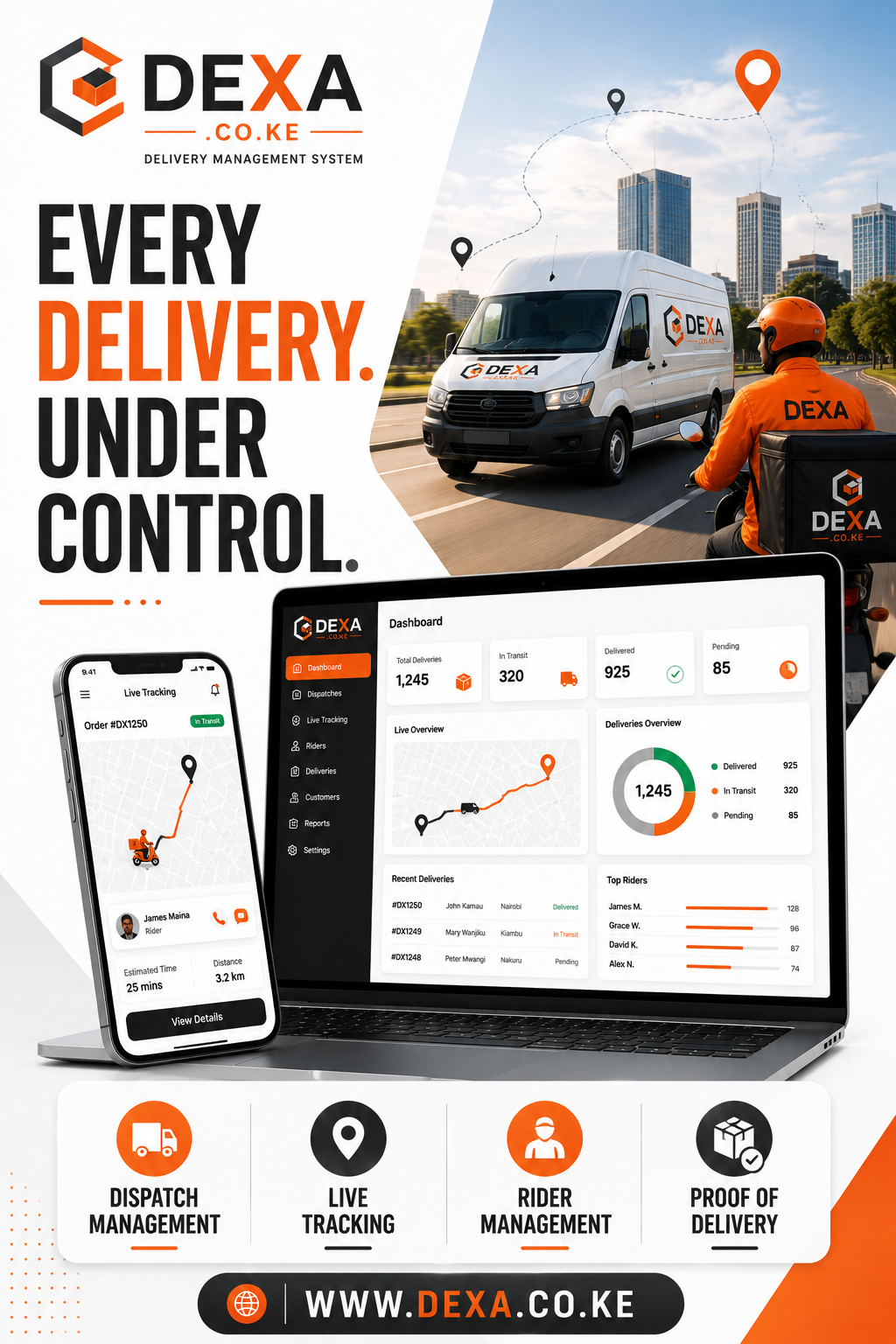
fleet tracking with gps Modern businesses depend on efficient fleet operations to deliver goods, serve customers, and maintain productivity. Whether managing delivery vans, courier motorcycles, trucks, service vehicles, or company cars, knowing where every vehicle is at any given time has become essential. Fleet Tracking with GPS enables organizations to monitor vehicle locations in real time, optimize routes, improve driver accountability, reduce operating costs, and enhance customer service through accurate location tracking and intelligent fleet management.
Across Kenya, industries such as logistics, courier services, distribution, construction, field services, utilities, and retail rely on fleets to support daily operations. Managing these vehicles manually using phone calls, paper logs, or spreadsheets often results in poor visibility, delayed deliveries, excessive fuel consumption, and inefficient route planning. A modern Fleet Tracking with GPS solution provides a centralized platform that delivers real-time vehicle tracking, trip history, driver monitoring, maintenance alerts, and operational reporting from one dashboard.
Traditional fleet management methods make it difficult to monitor vehicle movement, verify completed trips, analyze driver behaviour, or respond quickly to unexpected delays. These challenges affect customer satisfaction, increase operational expenses, and reduce business efficiency. A professional Fleet Tracking with GPS system automates vehicle monitoring while giving fleet managers immediate access to accurate operational data.
Fleet management involves much more than knowing a vehicle’s location. Businesses must monitor driver performance, fuel usage, route efficiency, maintenance schedules, delivery completion, idle time, geofencing, emergency response, and fleet utilization. A comprehensive Fleet Tracking with GPS platform integrates all these functions into one centralized system that improves operational efficiency while supporting informed decision-making.
Whether managing courier fleets, logistics companies, field service teams, transport businesses, construction equipment, utility vehicles, or corporate fleets throughout Kenya, implementing Fleet Tracking with GPS enables organizations to improve productivity, strengthen fleet security, reduce costs, and deliver better customer experiences.
Table of Contents
- Understanding GPS Fleet Tracking
- Why GPS Fleet Tracking Matters
- Core Features of Fleet Tracking with GPS
- Managing Fleet Operations Efficiently
- Driver Monitoring and Route Optimization
- Reporting and Fleet Analytics
- Improving Business Efficiency
- Security and Fleet Data Protection
- Applications Across Different Industries
Understanding GPS Fleet Tracking
Managing a fleet requires continuous visibility into vehicle movement and operational performance. Fleet Tracking with GPS uses Global Positioning System technology to provide real-time vehicle locations, trip history, speed monitoring, route tracking, and operational insights through a centralized management platform.
Instead of relying on driver updates or manual records, fleet managers gain instant access to live vehicle locations, enabling faster decisions and more efficient fleet coordination.
As businesses continue expanding across Kenya, digital fleet tracking has become essential for maintaining operational efficiency and improving customer service.
Why GPS Fleet Tracking Matters
Without accurate location information, fleet operations become difficult to manage. Fleet Tracking with GPS improves visibility while reducing operational inefficiencies and unnecessary costs.
Organizations benefit through:
- Real-time vehicle tracking
- Better route planning
- Reduced fuel consumption
- Improved driver accountability
- Faster dispatch decisions
- Better customer service
- Improved fleet utilization
- Reduced operational costs
GPS tracking enables organizations to operate more efficiently while increasing productivity.
Core Features of Fleet Tracking with GPS
A modern Fleet Tracking with GPS solution combines vehicle monitoring, driver management, reporting, maintenance scheduling, and operational analytics into one centralized platform.
Core features include:
- Real-time GPS tracking
- Live fleet map
- Route history
- Geofencing
- Speed monitoring
- Driver performance monitoring
- Trip reports
- Fuel usage tracking
- Maintenance scheduling
- Vehicle utilization reports
- Dashboard analytics
- Mobile accessibility
- Role-based permissions
- Audit logs
- Multi-fleet management
These capabilities provide complete visibility into fleet operations while improving management efficiency.
Managing Fleet Operations Efficiently
Daily fleet operations require constant coordination between drivers, dispatchers, and managers. Fleet Tracking with GPS enables organizations to manage every vehicle from one centralized dashboard.
Fleet managers can monitor:
- Vehicle locations
- Active trips
- Completed deliveries
- Driver availability
- Route performance
- Idle time
- Fuel consumption
- Vehicle utilization
- Maintenance schedules
- Fleet productivity
Real-time visibility enables faster operational decisions while improving fleet performance.
Driver Monitoring and Route Optimization
Driver behaviour significantly affects operational costs and customer satisfaction. Fleet Tracking with GPS provides valuable insights that help organizations improve driving standards and optimize travel routes.
Monitoring capabilities include:
- Speed tracking
- Route compliance
- Driving time
- Idle time
- Harsh braking
- Rapid acceleration
- Trip duration
- Delivery performance
These insights improve driver accountability while reducing fuel and maintenance costs.
Reporting and Fleet Analytics
Accurate reporting helps businesses evaluate fleet performance and identify improvement opportunities. Fleet Tracking with GPS generates detailed operational reports using real-time fleet data.
Reports include:
- Vehicle utilization
- Trip summaries
- Route efficiency
- Driver performance
- Fuel consumption
- Maintenance history
- Delivery completion
- Fleet productivity
- Operational dashboards
- Executive reports
These reports support informed business decisions while improving long-term fleet planning.
Improving Business Efficiency
Automation simplifies fleet administration while improving operational consistency. Fleet Tracking with GPS automates many fleet management tasks.
Automation includes:
- Vehicle tracking
- Route recording
- Driver monitoring
- Maintenance reminders
- Geofence alerts
- Trip logging
- Operational reporting
- Fleet analytics
Automation reduces administrative work while improving operational efficiency.
Security and Fleet Data Protection
Fleet operations generate valuable operational information that requires secure management. Fleet Tracking with GPS incorporates enterprise-grade security features that protect fleet data while supporting operational accountability.
Security features include:
- Role-based permissions
- Secure authentication
- Data encryption
- Audit logs
- Historical trip records
- Automated backups
- Secure cloud storage
- Administrative controls
These protections ensure reliable fleet management while safeguarding business information.
Applications Across Different Industries
Fleet Tracking with GPS supports a wide range of industries across Kenya.
Courier companies monitor deliveries and optimize routes.
Logistics providers manage trucks and regional distribution efficiently.
Construction firms track equipment and service vehicles.
Utility companies coordinate field technicians and maintenance teams.
Retail distributors monitor delivery vehicles and improve customer service.
Corporate organizations oversee company vehicles and improve fleet utilization.
For organizations seeking a complete fleet management solution, Dexa provides advanced Fleet Tracking with GPS capabilities that integrate live vehicle tracking, dispatch management, delivery monitoring, driver performance, route optimization, maintenance scheduling, reporting, and operational analytics into one centralized fleet management platform. Businesses across Kenya benefit from improved visibility, reduced operating costs, and more efficient fleet operations.
Benefits of Fleet Tracking with GPS for Different Stakeholders
A modern Fleet Tracking with GPS solution benefits everyone involved in fleet operations. Business owners gain better operational visibility, fleet managers improve vehicle utilization, dispatch teams coordinate deliveries more efficiently, drivers receive optimized routes, and customers enjoy more accurate delivery updates. By centralizing fleet information, organizations improve productivity while reducing operating costs.
As businesses across Kenya continue expanding their transport and logistics operations, implementing Fleet Tracking with GPS provides the visibility needed to manage growing fleets efficiently while maintaining high service standards.
Business Owners
Business owners require accurate information to control costs and improve operational performance. Fleet Tracking with GPS provides real-time insights into vehicle movement, fleet productivity, and driver performance.
Key benefits include:
- Better fleet visibility
- Reduced operating costs
- Improved profitability
- Smarter business decisions
- Better asset utilization
- Increased customer satisfaction
- Improved operational efficiency
- Stronger business growth
Live operational data enables owners to make informed strategic decisions with confidence.
Fleet Managers
Managing multiple vehicles manually often leads to communication delays and operational inefficiencies. Fleet Tracking with GPS simplifies fleet management through centralized monitoring and reporting.
Fleet managers can:
- Track vehicle locations
- Monitor driver behaviour
- Review completed trips
- Analyze route efficiency
- Schedule maintenance
- Manage fuel usage
- Generate fleet reports
- Coordinate multiple vehicles
Centralized management improves fleet productivity while reducing unnecessary operational expenses.
Dispatch Teams
Dispatchers require accurate vehicle information to assign jobs quickly and efficiently.
Using Fleet Tracking with GPS, dispatch teams can:
- View live vehicle locations
- Assign nearby drivers
- Monitor active deliveries
- Optimize travel routes
- Respond to delays
- Improve dispatch efficiency
- Reduce response times
- Coordinate fleet movements
Improved visibility allows dispatch teams to provide faster and more reliable service.
Drivers
Drivers benefit from improved route planning and better operational support.
Advantages include:
- Optimized routes
- Reduced travel time
- Faster dispatch communication
- Improved navigation
- Better work scheduling
- Increased safety
- Reduced paperwork
- Improved performance tracking
Efficient routing allows drivers to complete more assignments while reducing unnecessary travel.
Customers
Customers benefit from greater transparency and more reliable service.
Advantages include:
- Faster deliveries
- Accurate arrival estimates
- Better communication
- Improved service reliability
- Reduced delays
- Real-time delivery updates
- Greater confidence
- Better customer experience
Improved fleet visibility strengthens customer satisfaction and loyalty.
Improving Efficiency Through Automation
Automation eliminates repetitive fleet administration while improving operational consistency. Fleet Tracking with GPS automates many critical fleet management processes.
Automated Vehicle Tracking
The platform continuously monitors every vehicle without manual intervention.
Automation includes:
- Live GPS updates
- Route recording
- Trip history
- Vehicle status monitoring
- Geofence alerts
- Speed monitoring
- Driver activity tracking
- Fleet dashboards
Automatic tracking provides continuous operational visibility.
Automated Route Optimization
The system identifies more efficient travel routes using live operational data.
Automation supports:
- Route planning
- Traffic avoidance
- Distance optimization
- Delivery sequencing
- Driver assignments
- Journey optimization
- Travel efficiency
- Reduced fuel usage
Smarter routing improves productivity while lowering transport costs.
Automated Maintenance Scheduling
Vehicle maintenance is essential for reliable fleet performance.
Automation includes:
- Service reminders
- Mileage monitoring
- Maintenance schedules
- Inspection notifications
- Repair history
- Vehicle health tracking
- Maintenance reporting
- Fleet servicing plans
Preventive maintenance reduces downtime and extends vehicle lifespan.
Automated Reporting
Fleet managers can access comprehensive reports instantly.
Reports include:
- Fleet utilization
- Driver performance
- Route efficiency
- Fuel consumption
- Vehicle productivity
- Delivery completion
- Operational costs
- Executive dashboards
Automated reporting improves decision-making while reducing administrative work.
Compliance, Security and Risk Management
Fleet operations generate valuable operational information that requires secure protection. Fleet Tracking with GPS incorporates enterprise-grade security controls that safeguard fleet data while supporting accountability and compliance.
Role-Based User Permissions
Different employees require different access levels.
Typical user roles include:
- Business Owners
- Fleet Managers
- Dispatch Coordinators
- Drivers
- Operations Managers
- System Administrators
Role-based permissions ensure sensitive operational information remains accessible only to authorized users.
Secure Fleet Records
The platform securely stores:
- Vehicle information
- Trip history
- Driver records
- GPS tracking history
- Maintenance records
- Fuel reports
- Delivery records
- Operational dashboards
Secure record management supports long-term operational reliability.
Audit Trails
Every important fleet activity is recorded automatically.
Audit logs include:
- Vehicle updates
- User logins
- Route modifications
- Dispatch activities
- Driver assignments
- Administrative changes
Comprehensive audit trails improve accountability and simplify operational reviews.
Backup and Disaster Recovery
Reliable fleet operations require dependable information protection.
Modern platforms provide:
- Automated backups
- Secure cloud storage
- Historical operational records
- Disaster recovery procedures
- Data restoration capabilities
These protections ensure fleet information remains available during unexpected incidents.
Reducing Operational Risks
Professional Fleet Tracking with GPS helps businesses reduce risks such as:
- Vehicle misuse
- Fuel theft
- Unauthorized trips
- Delivery delays
- Poor route planning
- Inaccurate reporting
Reliable fleet monitoring improves accountability while reducing unnecessary operational costs.
Why Dexa is the Ideal Fleet Tracking with GPS Solution
Effective fleet management requires more than viewing vehicle locations on a map. Businesses need an integrated solution that combines GPS tracking, dispatch management, route optimization, delivery monitoring, maintenance scheduling, reporting, driver performance monitoring, and operational analytics into one centralized platform.
Dexa provides a comprehensive Fleet Tracking with GPS solution designed for courier companies, logistics providers, distributors, field service organizations, utility companies, transport businesses, and corporate fleets.
Core capabilities include:
- Live GPS vehicle tracking
- Dispatch management
- Route optimization
- Driver performance monitoring
- Delivery tracking
- Fleet analytics
- Maintenance scheduling
- Fuel monitoring
- Executive dashboards
- Multi-fleet management
- Role-based access control
- Audit logging
Whether managing a small delivery fleet or hundreds of vehicles across Kenya, Dexa provides scalable tools that improve operational visibility, strengthen fleet efficiency, and reduce transportation costs.
Future Trends in Fleet Tracking with GPS
Fleet technology continues advancing, and Fleet Tracking with GPS will increasingly integrate intelligent technologies that improve efficiency and decision-making.
Artificial Intelligence
AI-powered fleet management will support:
- Predictive maintenance
- Driver behaviour analysis
- Fuel optimization
- Route recommendations
- Fleet performance forecasting
Artificial intelligence will enable organizations to manage fleets more proactively.
Internet of Things (IoT)
Future GPS platforms will integrate with:
- Vehicle sensors
- Fuel monitoring devices
- Engine diagnostics
- Temperature monitoring
- Asset tracking equipment
IoT integration will provide deeper operational insights.
Cloud-Based Fleet Management
Cloud technology will provide:
- Remote fleet monitoring
- Multi-location visibility
- Secure online access
- Real-time updates
- Automatic software enhancements
Cloud platforms will improve flexibility while supporting business growth.
Advanced Analytics
Future systems will deliver:
- Predictive fleet analytics
- Cost forecasting
- Driver performance benchmarking
- Fleet utilization optimization
- Business intelligence dashboards
Advanced analytics will improve long-term fleet planning.
Greater Automation
Future Fleet Tracking with GPS solutions will automate:
- Dispatch assignments
- Route optimization
- Maintenance scheduling
- Driver notifications
- Operational reporting
Automation will continue improving productivity while reducing administrative workloads.
Getting Started with Fleet Tracking with GPS
Implementing Fleet Tracking with GPS begins with evaluating the current fleet structure, vehicle inventory, operational workflows, dispatch procedures, and reporting requirements. Businesses should organize vehicle records, driver information, maintenance schedules, delivery routes, and operational policies before deploying a centralized GPS tracking solution.
The next step involves installing GPS devices, configuring user roles, defining geofences, integrating dispatch operations, enabling automated alerts, and setting up fleet performance dashboards. Fleet managers, dispatch teams, drivers, and administrators should receive training on system usage, reporting tools, route optimization, maintenance management, and operational monitoring to maximize the value of the platform.
After implementation, organizations should continuously monitor fleet performance, evaluate driver behaviour, optimize travel routes, review maintenance schedules, strengthen data security, and use operational reports to improve efficiency. For businesses across Kenya, adopting Fleet Tracking with GPS provides a scalable foundation for reducing transport costs, improving service delivery, and supporting sustainable business growth.
Conclusion
Modern fleet management depends on accurate, real-time information. Manual vehicle tracking methods often result in poor visibility, inefficient routing, increased operating costs, and delayed customer service. Fleet Tracking with GPS enables organizations to centralize fleet monitoring, automate operational processes, improve driver accountability, and optimize vehicle utilization.
By integrating GPS tracking, dispatch management, route optimization, maintenance scheduling, driver performance monitoring, reporting, and operational analytics into one centralized platform, businesses can improve productivity while delivering faster and more reliable services. This enables organizations to reduce costs, strengthen customer satisfaction, and make smarter operational decisions.
Whether managing courier fleets, logistics operations, field service vehicles, transport companies, or corporate fleets, organizations that implement Fleet Tracking with GPS position themselves for long-term operational success. With Dexa, businesses across Kenya can confidently modernize fleet management, improve visibility, and build efficient transport operations that support continued growth.
Benefits of Fleet Tracking with GPS for Different Stakeholders
A modern Fleet Tracking with GPS solution benefits everyone involved in fleet operations. Business owners gain better operational visibility, fleet managers improve vehicle utilization, dispatch teams coordinate deliveries more efficiently, drivers receive optimized routes, and customers enjoy more accurate delivery updates. By centralizing fleet information, organizations improve productivity while reducing operating costs.
As businesses across Kenya continue expanding their transport and logistics operations, implementing Fleet Tracking with GPS provides the visibility needed to manage growing fleets efficiently while maintaining high service standards.
Business Owners
Business owners require accurate information to control costs and improve operational performance. Fleet Tracking with GPS provides real-time insights into vehicle movement, fleet productivity, and driver performance.
Key benefits include:
- Better fleet visibility
- Reduced operating costs
- Improved profitability
- Smarter business decisions
- Better asset utilization
- Increased customer satisfaction
- Improved operational efficiency
- Stronger business growth
Live operational data enables owners to make informed strategic decisions with confidence.
Fleet Managers
Managing multiple vehicles manually often leads to communication delays and operational inefficiencies. Fleet Tracking with GPS simplifies fleet management through centralized monitoring and reporting.
Fleet managers can:
- Track vehicle locations
- Monitor driver behaviour
- Review completed trips
- Analyze route efficiency
- Schedule maintenance
- Manage fuel usage
- Generate fleet reports
- Coordinate multiple vehicles
Centralized management improves fleet productivity while reducing unnecessary operational expenses.
Dispatch Teams
Dispatchers require accurate vehicle information to assign jobs quickly and efficiently.
Using Fleet Tracking with GPS, dispatch teams can:
- View live vehicle locations
- Assign nearby drivers
- Monitor active deliveries
- Optimize travel routes
- Respond to delays
- Improve dispatch efficiency
- Reduce response times
- Coordinate fleet movements
Improved visibility allows dispatch teams to provide faster and more reliable service.
Drivers
Drivers benefit from improved route planning and better operational support.
Advantages include:
- Optimized routes
- Reduced travel time
- Faster dispatch communication
- Improved navigation
- Better work scheduling
- Increased safety
- Reduced paperwork
- Improved performance tracking
Efficient routing allows drivers to complete more assignments while reducing unnecessary travel.
Customers
Customers benefit from greater transparency and more reliable service.
Advantages include:
- Faster deliveries
- Accurate arrival estimates
- Better communication
- Improved service reliability
- Reduced delays
- Real-time delivery updates
- Greater confidence
- Better customer experience
Improved fleet visibility strengthens customer satisfaction and loyalty.
Improving Efficiency Through Automation
Automation eliminates repetitive fleet administration while improving operational consistency. Fleet Tracking with GPS automates many critical fleet management processes.
Automated Vehicle Tracking
The platform continuously monitors every vehicle without manual intervention.
Automation includes:
- Live GPS updates
- Route recording
- Trip history
- Vehicle status monitoring
- Geofence alerts
- Speed monitoring
- Driver activity tracking
- Fleet dashboards
Automatic tracking provides continuous operational visibility.
Automated Route Optimization
The system identifies more efficient travel routes using live operational data.
Automation supports:
- Route planning
- Traffic avoidance
- Distance optimization
- Delivery sequencing
- Driver assignments
- Journey optimization
- Travel efficiency
- Reduced fuel usage
Smarter routing improves productivity while lowering transport costs.
Automated Maintenance Scheduling
Vehicle maintenance is essential for reliable fleet performance.
Automation includes:
- Service reminders
- Mileage monitoring
- Maintenance schedules
- Inspection notifications
- Repair history
- Vehicle health tracking
- Maintenance reporting
- Fleet servicing plans
Preventive maintenance reduces downtime and extends vehicle lifespan.
Automated Reporting
Fleet managers can access comprehensive reports instantly.
Reports include:
- Fleet utilization
- Driver performance
- Route efficiency
- Fuel consumption
- Vehicle productivity
- Delivery completion
- Operational costs
- Executive dashboards
Automated reporting improves decision-making while reducing administrative work.
Compliance, Security and Risk Management
Fleet operations generate valuable operational information that requires secure protection. Fleet Tracking with GPS incorporates enterprise-grade security controls that safeguard fleet data while supporting accountability and compliance.
Role-Based User Permissions
Different employees require different access levels.
Typical user roles include:
- Business Owners
- Fleet Managers
- Dispatch Coordinators
- Drivers
- Operations Managers
- System Administrators
Role-based permissions ensure sensitive operational information remains accessible only to authorized users.
Secure Fleet Records
The platform securely stores:
- Vehicle information
- Trip history
- Driver records
- GPS tracking history
- Maintenance records
- Fuel reports
- Delivery records
- Operational dashboards
Secure record management supports long-term operational reliability.
Audit Trails
Every important fleet activity is recorded automatically.
Audit logs include:
- Vehicle updates
- User logins
- Route modifications
- Dispatch activities
- Driver assignments
- Administrative changes
Comprehensive audit trails improve accountability and simplify operational reviews.
Backup and Disaster Recovery
Reliable fleet operations require dependable information protection.
Modern platforms provide:
- Automated backups
- Secure cloud storage
- Historical operational records
- Disaster recovery procedures
- Data restoration capabilities
These protections ensure fleet information remains available during unexpected incidents.
Reducing Operational Risks
Professional Fleet Tracking with GPS helps businesses reduce risks such as:
- Vehicle misuse
- Fuel theft
- Unauthorized trips
- Delivery delays
- Poor route planning
- Inaccurate reporting
Reliable fleet monitoring improves accountability while reducing unnecessary operational costs.
Why Dexa is the Ideal Fleet Tracking with GPS Solution
Effective fleet management requires more than viewing vehicle locations on a map. Businesses need an integrated solution that combines GPS tracking, dispatch management, route optimization, delivery monitoring, maintenance scheduling, reporting, driver performance monitoring, and operational analytics into one centralized platform.
Dexa provides a comprehensive Fleet Tracking with GPS solution designed for courier companies, logistics providers, distributors, field service organizations, utility companies, transport businesses, and corporate fleets.
Core capabilities include:
- Live GPS vehicle tracking
- Dispatch management
- Route optimization
- Driver performance monitoring
- Delivery tracking
- Fleet analytics
- Maintenance scheduling
- Fuel monitoring
- Executive dashboards
- Multi-fleet management
- Role-based access control
- Audit logging
Whether managing a small delivery fleet or hundreds of vehicles across Kenya, Dexa provides scalable tools that improve operational visibility, strengthen fleet efficiency, and reduce transportation costs.
Future Trends in Fleet Tracking with GPS
Fleet technology continues advancing, and Fleet Tracking with GPS will increasingly integrate intelligent technologies that improve efficiency and decision-making.
Artificial Intelligence
AI-powered fleet management will support:
- Predictive maintenance
- Driver behaviour analysis
- Fuel optimization
- Route recommendations
- Fleet performance forecasting
Artificial intelligence will enable organizations to manage fleets more proactively.
Internet of Things (IoT)
Future GPS platforms will integrate with:
- Vehicle sensors
- Fuel monitoring devices
- Engine diagnostics
- Temperature monitoring
- Asset tracking equipment
IoT integration will provide deeper operational insights.
Cloud-Based Fleet Management
Cloud technology will provide:
- Remote fleet monitoring
- Multi-location visibility
- Secure online access
- Real-time updates
- Automatic software enhancements
Cloud platforms will improve flexibility while supporting business growth.
Advanced Analytics
Future systems will deliver:
- Predictive fleet analytics
- Cost forecasting
- Driver performance benchmarking
- Fleet utilization optimization
- Business intelligence dashboards
Advanced analytics will improve long-term fleet planning.
Greater Automation
Future Fleet Tracking with GPS solutions will automate:
- Dispatch assignments
- Route optimization
- Maintenance scheduling
- Driver notifications
- Operational reporting
Automation will continue improving productivity while reducing administrative workloads.
Getting Started with Fleet Tracking with GPS
Implementing Fleet Tracking with GPS begins with evaluating the current fleet structure, vehicle inventory, operational workflows, dispatch procedures, and reporting requirements. Businesses should organize vehicle records, driver information, maintenance schedules, delivery routes, and operational policies before deploying a centralized GPS tracking solution.
The next step involves installing GPS devices, configuring user roles, defining geofences, integrating dispatch operations, enabling automated alerts, and setting up fleet performance dashboards. Fleet managers, dispatch teams, drivers, and administrators should receive training on system usage, reporting tools, route optimization, maintenance management, and operational monitoring to maximize the value of the platform.
After implementation, organizations should continuously monitor fleet performance, evaluate driver behaviour, optimize travel routes, review maintenance schedules, strengthen data security, and use operational reports to improve efficiency. For businesses across Kenya, adopting Fleet Tracking with GPS provides a scalable foundation for reducing transport costs, improving service delivery, and supporting sustainable business growth.
Conclusion
Modern fleet management depends on accurate, real-time information. Manual vehicle tracking methods often result in poor visibility, inefficient routing, increased operating costs, and delayed customer service. Fleet Tracking with GPS enables organizations to centralize fleet monitoring, automate operational processes, improve driver accountability, and optimize vehicle utilization.
By integrating GPS tracking, dispatch management, route optimization, maintenance scheduling, driver performance monitoring, reporting, and operational analytics into one centralized platform, businesses can improve productivity while delivering faster and more reliable services. This enables organizations to reduce costs, strengthen customer satisfaction, and make smarter operational decisions.
Whether managing courier fleets, logistics operations, field service vehicles, transport companies, or corporate fleets, organizations that implement Fleet Tracking with GPS position themselves for long-term operational success. With Dexa, businesses across Kenya can confidently modernize fleet management, improve visibility, and build efficient transport operations that support continued growth.