Logistics Dispatch Coordination Platform
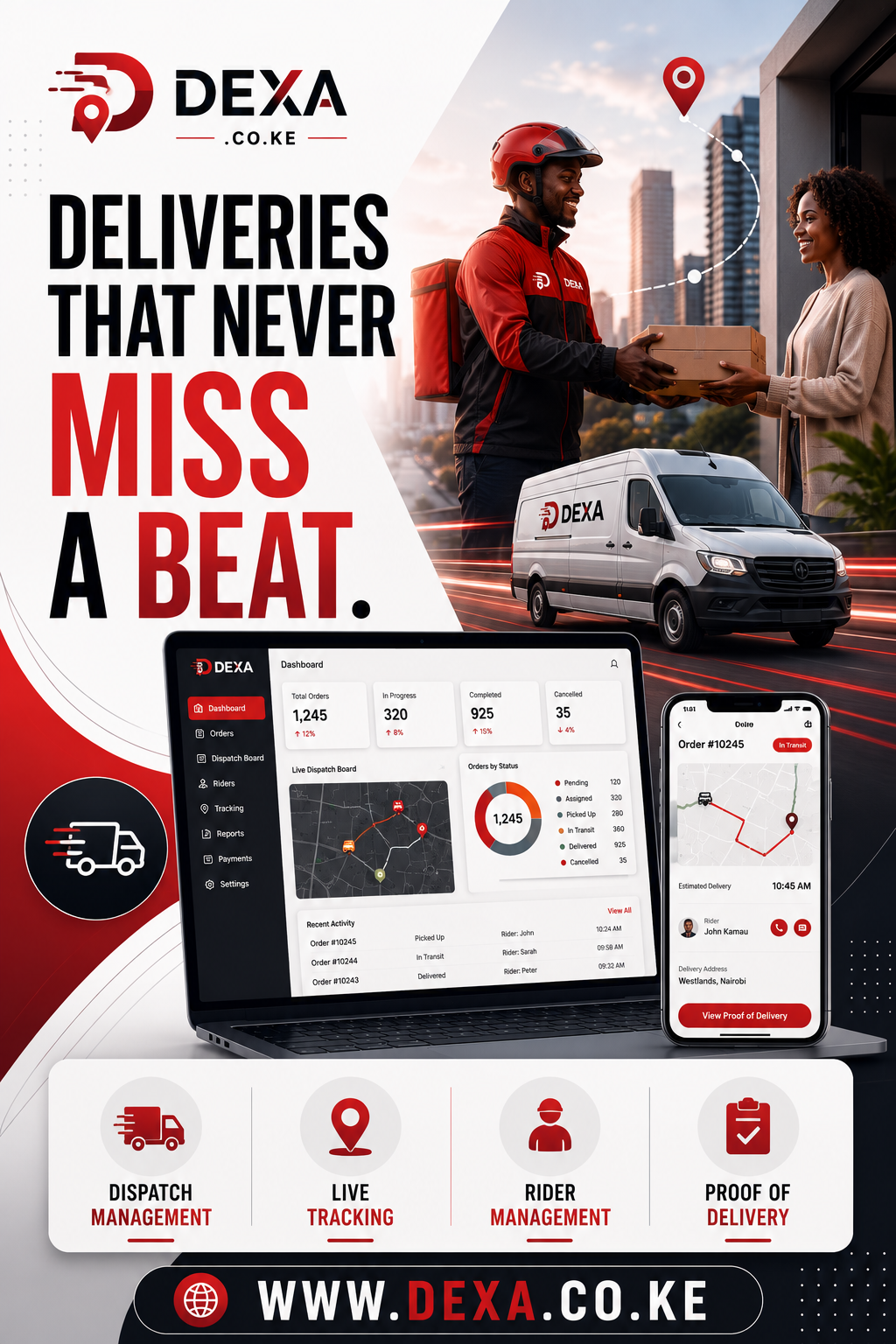
Logistics Dispatch Coordination Platform solutions have become a critical part of modern logistics and supply chain management. As businesses continue to expand their delivery networks and customer expectations increase, coordinating dispatch operations manually is no longer practical. Companies require intelligent systems that enable them to assign deliveries efficiently, monitor drivers in real time, communicate effectively with field teams, and maintain complete visibility across every stage of the delivery journey.
Many logistics companies still depend on spreadsheets, phone calls, WhatsApp groups, or handwritten dispatch records to coordinate deliveries. Although these methods may work for very small operations, they often create delays, communication gaps, duplicate assignments, and reduced accountability as delivery volumes increase.
A modern Logistics Dispatch Coordination Platform eliminates these inefficiencies by centralizing dispatch management into one digital system. Dispatchers can assign jobs instantly, monitor fleet movements, optimize delivery schedules, communicate with drivers, and generate detailed operational reports from a single dashboard.
Across Kenya, businesses involved in courier services, e-commerce, wholesale distribution, manufacturing, retail, healthcare logistics, and field services are adopting digital dispatch solutions to improve operational efficiency while meeting growing customer expectations. Implementing a Logistics Dispatch Coordination Platform allows these organizations to increase productivity, reduce operational costs, and deliver a more reliable customer experience.
Table of Contents
- Understanding Dispatch Coordination
- Why Centralized Dispatch Management Matters
- Key Features of Modern Platforms
- Operational Challenges Solved
- Industries That Benefit
- How the Platform Works
- Selecting the Right Solution
Understanding Dispatch Coordination
Dispatch coordination involves organizing delivery tasks, assigning vehicles and drivers, monitoring delivery progress, and ensuring every shipment reaches its destination efficiently. As businesses grow, coordinating multiple vehicles, hundreds of deliveries, and numerous drivers becomes increasingly complex.
A Logistics Dispatch Coordination Platform simplifies this complexity by providing one centralized environment where dispatchers can create delivery assignments, prioritize urgent orders, monitor fleet activity, and manage exceptions as they occur.
Instead of relying on multiple communication channels, every delivery task is digitally recorded, assigned, tracked, and completed within a structured workflow. This reduces confusion while improving communication between dispatch managers, drivers, warehouse teams, and customer service representatives.
The platform also provides historical delivery records, enabling organizations to analyze operational performance and continuously improve dispatch efficiency.
Why Centralized Dispatch Management Matters
Modern customers expect deliveries to arrive on time, with accurate updates throughout the journey. Meeting these expectations requires more than experienced drivers—it requires intelligent coordination.
A Logistics Dispatch Coordination Platform enables dispatch teams to allocate resources efficiently while maintaining complete visibility over ongoing operations. Rather than manually contacting drivers for updates, managers can monitor every delivery in real time through a centralized dashboard.
Centralized dispatch management also improves responsiveness. If a vehicle experiences a breakdown, unexpected traffic congestion occurs, or urgent deliveries need immediate attention, dispatchers can quickly reassign tasks without disrupting the entire operation.
This flexibility allows businesses to maintain service quality even when unexpected operational challenges arise.
Key Features of a Modern Logistics Dispatch Coordination Platform
An effective Logistics Dispatch Coordination Platform combines multiple operational tools that improve communication, planning, monitoring, and reporting.
Centralized Dispatch Dashboard
Dispatch managers can oversee all active deliveries from one interface, providing complete visibility into vehicle locations, delivery status, and outstanding assignments.
Intelligent Job Assignment
The platform automatically recommends driver assignments based on location, workload, vehicle availability, and delivery priority.
Live GPS Tracking
Real-time tracking enables dispatchers to monitor fleet movements and respond quickly whenever delivery schedules change.
Mobile Driver Application
Drivers receive assignments, navigation instructions, delivery notes, and customer information directly through mobile devices, reducing paperwork and improving communication.
Delivery Status Updates
Drivers can update delivery progress using predefined statuses such as Assigned, En Route, Delivered, Delayed, Failed Delivery, or Rescheduled.
Proof of Delivery
Digital signatures, photographs, timestamps, and GPS coordinates provide secure evidence that deliveries have been completed successfully.
Performance Reporting
Comprehensive reports measure delivery efficiency, fleet utilization, driver productivity, customer service performance, and operational trends.
Operational Challenges Solved
Many logistics businesses struggle with inefficient communication, inconsistent dispatch procedures, and limited operational visibility. A Logistics Dispatch Coordination Platform addresses these challenges through standardized workflows and automation.
Manual dispatching often results in duplicated assignments, delayed deliveries, missed customer updates, and excessive administrative work. Drivers may receive incomplete instructions or experience delays when communicating with dispatch teams.
The platform minimizes these issues by ensuring every delivery follows a consistent digital workflow from assignment through completion. Managers can monitor progress continuously while responding quickly to changing operational conditions.
As a result, businesses improve service reliability while reducing unnecessary operational costs.
Industries That Benefit
A Logistics Dispatch Coordination Platform is valuable across a wide range of industries that depend on efficient transportation and field operations.
Courier and Parcel Services
Courier companies use centralized dispatch coordination to manage high delivery volumes while improving customer satisfaction.
E-commerce Businesses
Online retailers depend on reliable dispatch systems to ensure customer orders are delivered quickly and accurately.
Wholesale Distribution
Wholesalers coordinate deliveries to retailers across multiple regions, making dispatch efficiency essential for maintaining inventory availability.
Manufacturing
Manufacturers rely on organized dispatch operations to transport raw materials and finished products according to production schedules.
Pharmaceutical Distribution
Medical suppliers require secure, reliable dispatch processes to deliver medicines and healthcare products within strict timelines.
Food and Beverage Distribution
Distributors benefit from optimized dispatch coordination that helps preserve product quality while meeting customer delivery expectations.
Field Service Organizations
Companies providing maintenance, installations, or technical support use dispatch coordination to manage technician assignments and service requests efficiently.
How the Platform Works
A Logistics Dispatch Coordination Platform follows a structured operational workflow designed to improve coordination and visibility.
Customer orders are received through sales systems, e-commerce platforms, or manual entry. The platform converts these orders into dispatch tasks that include customer details, delivery locations, priority levels, and special handling instructions.
Dispatch managers review available drivers and vehicles before assigning tasks using automated recommendations or manual selection. Drivers receive assignments immediately through their mobile applications, along with optimized navigation and delivery instructions.
Throughout the delivery process, GPS tracking continuously updates vehicle locations while drivers record delivery progress using predefined status updates.
Once deliveries are completed, proof of delivery is securely stored within the platform, providing permanent records for customer service, auditing, and reporting purposes.
Selecting the Right Solution
Choosing the right Logistics Dispatch Coordination Platform requires businesses to consider both current operational requirements and future growth plans.
The ideal platform should support real-time tracking, intelligent dispatching, proof of delivery, mobile accessibility, reporting, workflow automation, and integration with existing ERP, CRM, inventory, and accounting systems.
For businesses operating in Kenya, local support, compatibility with regional logistics workflows, and scalability are equally important. As delivery networks expand into counties such as Nairobi, Mombasa, Kisumu, Nakuru, Eldoret, Kiambu, and Machakos, organizations need a solution capable of maintaining consistent operational performance.
Integrated platforms like Dexa combine dispatch coordination, route planning, driver management, proof of delivery, customer notifications, and performance reporting into one centralized system. This allows logistics businesses to manage the complete delivery lifecycle efficiently while improving productivity and customer satisfaction.
Benefits for Different Stakeholders
A Logistics Dispatch Coordination Platform benefits every department involved in logistics operations. From company executives and dispatch managers to drivers, warehouse teams, customer service representatives, and customers, each stakeholder gains better visibility, improved communication, and greater operational efficiency.
Business Owners
Business owners require complete oversight of logistics operations to ensure deliveries are completed efficiently while maintaining profitability. A Logistics Dispatch Coordination Platform provides real-time dashboards that display delivery performance, fleet utilization, driver productivity, completed dispatches, operational costs, and customer service metrics.
Instead of waiting for end-of-day reports, owners can monitor live operations, identify bottlenecks, and make informed decisions that improve profitability and support long-term business growth.
The platform also helps management evaluate expansion opportunities by providing historical operational data and performance trends across different regions.
Dispatch Managers
Dispatch managers coordinate hundreds of deliveries every day. Without digital tools, assigning drivers, monitoring deliveries, and handling unexpected changes can become overwhelming.
A Logistics Dispatch Coordination Platform simplifies dispatch operations by allowing managers to assign deliveries quickly, monitor fleet movements, receive instant delivery updates, and respond immediately to operational challenges.
If traffic congestion, vehicle breakdowns, customer schedule changes, or urgent deliveries occur, dispatchers can reassign jobs without disrupting the overall delivery schedule. This flexibility significantly improves service reliability.
Drivers
Drivers benefit from receiving organized delivery schedules, clear customer instructions, and optimized dispatch assignments directly through mobile devices.
A Logistics Dispatch Coordination Platform minimizes confusion by providing all necessary delivery information within one application. Drivers can view assigned deliveries, update task status, upload proof of delivery, report incidents, and communicate with dispatchers without relying on multiple communication channels.
This streamlined workflow reduces unnecessary travel, improves productivity, and allows drivers to complete more deliveries within normal working hours.
Warehouse Teams
Warehouse personnel play an essential role in preparing deliveries before dispatch. A Logistics Dispatch Coordination Platform enables warehouse staff to coordinate closely with dispatch teams by ensuring goods are packed, verified, and ready before vehicles depart.
Improved coordination reduces loading delays while ensuring deliveries leave according to schedule.
Customer Service Representatives
Customer service teams frequently receive inquiries regarding delivery progress and expected arrival times.
With a Logistics Dispatch Coordination Platform, representatives have immediate access to real-time delivery information. Instead of contacting drivers for updates, they can provide customers with accurate information instantly.
This improves response times while reducing customer frustration and increasing confidence in the business.
Customers
Customers expect timely deliveries, proactive communication, and reliable service.
A Logistics Dispatch Coordination Platform improves customer satisfaction through automated delivery notifications, estimated arrival times, real-time tracking, and immediate delivery confirmation.
These capabilities strengthen customer relationships while encouraging repeat business and positive referrals.
Improving Efficiency Through Automation
Automation is reshaping logistics operations worldwide, allowing businesses to complete more deliveries while using fewer resources.
A Logistics Dispatch Coordination Platform automates repetitive operational tasks including dispatch scheduling, driver assignment, delivery prioritization, customer notifications, status updates, and performance reporting.
Instead of manually coordinating every delivery, dispatchers can focus on resolving exceptions and improving customer service.
Automation also reduces human error. Incorrect assignments, duplicate deliveries, incomplete records, and missed customer updates become significantly less common when standardized workflows are automated.
As logistics businesses continue expanding throughout Kenya, automation becomes increasingly important for maintaining consistent service quality.
Enhancing Communication Across Teams
Successful logistics operations depend on effective communication between dispatchers, drivers, warehouse teams, management, and customer service representatives.
A Logistics Dispatch Coordination Platform serves as a centralized communication hub where operational information is updated instantly and shared across departments.
Every delivery assignment, status update, customer instruction, and proof of delivery becomes immediately accessible to authorized users. This eliminates communication gaps while ensuring every team member works with accurate information.
Better communication also enables faster decision-making whenever unexpected situations arise.
Data-Driven Logistics Management
Modern logistics generates enormous amounts of operational data every day.
A Logistics Dispatch Coordination Platform transforms this data into valuable business intelligence through detailed reports and interactive dashboards.
Managers can monitor:
- Delivery completion rates
- Average dispatch times
- Fleet utilization
- Driver productivity
- Failed deliveries
- Customer satisfaction trends
- Vehicle performance
- Delivery turnaround times
- Regional delivery demand
- Operational costs
These insights help businesses continuously improve logistics performance while identifying opportunities to increase efficiency and reduce expenses.
Instead of relying on assumptions, management can make informed decisions supported by accurate operational data.
Compliance, Security and Risk Management
Security and accountability remain essential within logistics operations.
A reliable Logistics Dispatch Coordination Platform includes secure authentication, user permissions, encrypted communications, audit logs, and comprehensive activity tracking.
Every dispatch assignment, route modification, delivery confirmation, and operational change is recorded automatically.
Proof of delivery functionality—including digital signatures, timestamps, photographs, and GPS coordinates—helps verify successful deliveries while reducing disputes.
For businesses operating within healthcare, pharmaceutical distribution, financial document delivery, or regulated supply chains, maintaining secure operational records supports compliance requirements and minimizes business risk.
Why Dexa is the Ideal Solution
Modern logistics organizations require more than simple dispatch software. They need an integrated platform capable of managing every stage of the delivery lifecycle.
Dexa combines Logistics Dispatch Coordination Platform capabilities with intelligent dispatch management, live GPS tracking, delivery scheduling, driver management, proof of delivery, customer notifications, operational reporting, and performance analytics.
This centralized approach allows businesses to manage deliveries efficiently without switching between multiple disconnected applications.
Dexa supports organizations including:
- Courier companies
- Third-party logistics providers
- E-commerce businesses
- Manufacturers
- Wholesale distributors
- Retail chains
- Pharmaceutical companies
- Food distributors
- Last-mile delivery providers
- Field service organizations
Its scalable architecture makes it suitable for both growing businesses and established logistics enterprises operating throughout Kenya.
Future Trends in Logistics Dispatch Coordination
Technology continues to transform logistics operations at an unprecedented pace.
The future of Logistics Dispatch Coordination Platform solutions will increasingly rely on artificial intelligence, predictive analytics, machine learning, and intelligent automation to improve dispatch accuracy and operational efficiency.
Emerging innovations include:
- AI-powered dispatch recommendations
- Predictive traffic analysis
- Automated resource allocation
- Smart workload balancing
- Electric fleet optimization
- Carbon emission monitoring
- Predictive vehicle maintenance
- Voice-enabled driver applications
- Advanced route optimization
- Real-time business intelligence dashboards
Businesses that adopt these technologies early will be better positioned to deliver faster, reduce operating costs, and exceed customer expectations.
Getting Started
Implementing a Logistics Dispatch Coordination Platform begins with evaluating your organization’s current logistics processes.
Businesses should assess:
- Daily dispatch volumes
- Fleet size
- Driver availability
- Delivery coverage areas
- Existing software systems
- Customer communication requirements
- Reporting expectations
- Future expansion plans
Selecting a scalable platform ensures the business can continue growing without replacing its logistics infrastructure.
Successful implementation should also include employee training, workflow optimization, system integration, and continuous performance evaluation.
Organizations that invest in proper deployment typically achieve faster deliveries, improved operational control, lower transportation costs, and greater customer satisfaction.
Conclusion
A Logistics Dispatch Coordination Platform has become an essential investment for organizations seeking to modernize their logistics operations. As delivery networks become larger and customer expectations continue to rise, businesses need intelligent systems capable of coordinating dispatch activities efficiently while providing complete operational visibility.
From automated dispatch scheduling and real-time fleet monitoring to proof of delivery, analytics, and customer communication, a comprehensive Logistics Dispatch Coordination Platform enables businesses to improve productivity, reduce costs, strengthen accountability, and enhance customer experiences.
For logistics companies operating across Kenya, adopting a platform such as Dexa provides the technology foundation needed to streamline dispatch operations, support future growth, and remain competitive in an increasingly digital logistics industry.
Benefits for Different Stakeholders
A Logistics Dispatch Coordination Platform benefits every department involved in logistics operations. From company executives and dispatch managers to drivers, warehouse teams, customer service representatives, and customers, each stakeholder gains better visibility, improved communication, and greater operational efficiency.
Business Owners
Business owners require complete oversight of logistics operations to ensure deliveries are completed efficiently while maintaining profitability. A Logistics Dispatch Coordination Platform provides real-time dashboards that display delivery performance, fleet utilization, driver productivity, completed dispatches, operational costs, and customer service metrics.
Instead of waiting for end-of-day reports, owners can monitor live operations, identify bottlenecks, and make informed decisions that improve profitability and support long-term business growth.
The platform also helps management evaluate expansion opportunities by providing historical operational data and performance trends across different regions.
Dispatch Managers
Dispatch managers coordinate hundreds of deliveries every day. Without digital tools, assigning drivers, monitoring deliveries, and handling unexpected changes can become overwhelming.
A Logistics Dispatch Coordination Platform simplifies dispatch operations by allowing managers to assign deliveries quickly, monitor fleet movements, receive instant delivery updates, and respond immediately to operational challenges.
If traffic congestion, vehicle breakdowns, customer schedule changes, or urgent deliveries occur, dispatchers can reassign jobs without disrupting the overall delivery schedule. This flexibility significantly improves service reliability.
Drivers
Drivers benefit from receiving organized delivery schedules, clear customer instructions, and optimized dispatch assignments directly through mobile devices.
A Logistics Dispatch Coordination Platform minimizes confusion by providing all necessary delivery information within one application. Drivers can view assigned deliveries, update task status, upload proof of delivery, report incidents, and communicate with dispatchers without relying on multiple communication channels.
This streamlined workflow reduces unnecessary travel, improves productivity, and allows drivers to complete more deliveries within normal working hours.
Warehouse Teams
Warehouse personnel play an essential role in preparing deliveries before dispatch. A Logistics Dispatch Coordination Platform enables warehouse staff to coordinate closely with dispatch teams by ensuring goods are packed, verified, and ready before vehicles depart.
Improved coordination reduces loading delays while ensuring deliveries leave according to schedule.
Customer Service Representatives
Customer service teams frequently receive inquiries regarding delivery progress and expected arrival times.
With a Logistics Dispatch Coordination Platform, representatives have immediate access to real-time delivery information. Instead of contacting drivers for updates, they can provide customers with accurate information instantly.
This improves response times while reducing customer frustration and increasing confidence in the business.
Customers
Customers expect timely deliveries, proactive communication, and reliable service.
A Logistics Dispatch Coordination Platform improves customer satisfaction through automated delivery notifications, estimated arrival times, real-time tracking, and immediate delivery confirmation.
These capabilities strengthen customer relationships while encouraging repeat business and positive referrals.
Improving Efficiency Through Automation
Automation is reshaping logistics operations worldwide, allowing businesses to complete more deliveries while using fewer resources.
A Logistics Dispatch Coordination Platform automates repetitive operational tasks including dispatch scheduling, driver assignment, delivery prioritization, customer notifications, status updates, and performance reporting.
Instead of manually coordinating every delivery, dispatchers can focus on resolving exceptions and improving customer service.
Automation also reduces human error. Incorrect assignments, duplicate deliveries, incomplete records, and missed customer updates become significantly less common when standardized workflows are automated.
As logistics businesses continue expanding throughout Kenya, automation becomes increasingly important for maintaining consistent service quality.
Enhancing Communication Across Teams
Successful logistics operations depend on effective communication between dispatchers, drivers, warehouse teams, management, and customer service representatives.
A Logistics Dispatch Coordination Platform serves as a centralized communication hub where operational information is updated instantly and shared across departments.
Every delivery assignment, status update, customer instruction, and proof of delivery becomes immediately accessible to authorized users. This eliminates communication gaps while ensuring every team member works with accurate information.
Better communication also enables faster decision-making whenever unexpected situations arise.
Data-Driven Logistics Management
Modern logistics generates enormous amounts of operational data every day.
A Logistics Dispatch Coordination Platform transforms this data into valuable business intelligence through detailed reports and interactive dashboards.
Managers can monitor:
- Delivery completion rates
- Average dispatch times
- Fleet utilization
- Driver productivity
- Failed deliveries
- Customer satisfaction trends
- Vehicle performance
- Delivery turnaround times
- Regional delivery demand
- Operational costs
These insights help businesses continuously improve logistics performance while identifying opportunities to increase efficiency and reduce expenses.
Instead of relying on assumptions, management can make informed decisions supported by accurate operational data.
Compliance, Security and Risk Management
Security and accountability remain essential within logistics operations.
A reliable Logistics Dispatch Coordination Platform includes secure authentication, user permissions, encrypted communications, audit logs, and comprehensive activity tracking.
Every dispatch assignment, route modification, delivery confirmation, and operational change is recorded automatically.
Proof of delivery functionality—including digital signatures, timestamps, photographs, and GPS coordinates—helps verify successful deliveries while reducing disputes.
For businesses operating within healthcare, pharmaceutical distribution, financial document delivery, or regulated supply chains, maintaining secure operational records supports compliance requirements and minimizes business risk.
Why Dexa is the Ideal Solution
Modern logistics organizations require more than simple dispatch software. They need an integrated platform capable of managing every stage of the delivery lifecycle.
Dexa combines Logistics Dispatch Coordination Platform capabilities with intelligent dispatch management, live GPS tracking, delivery scheduling, driver management, proof of delivery, customer notifications, operational reporting, and performance analytics.
This centralized approach allows businesses to manage deliveries efficiently without switching between multiple disconnected applications.
Dexa supports organizations including:
- Courier companies
- Third-party logistics providers
- E-commerce businesses
- Manufacturers
- Wholesale distributors
- Retail chains
- Pharmaceutical companies
- Food distributors
- Last-mile delivery providers
- Field service organizations
Its scalable architecture makes it suitable for both growing businesses and established logistics enterprises operating throughout Kenya.
Future Trends in Logistics Dispatch Coordination
Technology continues to transform logistics operations at an unprecedented pace.
The future of Logistics Dispatch Coordination Platform solutions will increasingly rely on artificial intelligence, predictive analytics, machine learning, and intelligent automation to improve dispatch accuracy and operational efficiency.
Emerging innovations include:
- AI-powered dispatch recommendations
- Predictive traffic analysis
- Automated resource allocation
- Smart workload balancing
- Electric fleet optimization
- Carbon emission monitoring
- Predictive vehicle maintenance
- Voice-enabled driver applications
- Advanced route optimization
- Real-time business intelligence dashboards
Businesses that adopt these technologies early will be better positioned to deliver faster, reduce operating costs, and exceed customer expectations.
Getting Started
Implementing a Logistics Dispatch Coordination Platform begins with evaluating your organization’s current logistics processes.
Businesses should assess:
- Daily dispatch volumes
- Fleet size
- Driver availability
- Delivery coverage areas
- Existing software systems
- Customer communication requirements
- Reporting expectations
- Future expansion plans
Selecting a scalable platform ensures the business can continue growing without replacing its logistics infrastructure.
Successful implementation should also include employee training, workflow optimization, system integration, and continuous performance evaluation.
Organizations that invest in proper deployment typically achieve faster deliveries, improved operational control, lower transportation costs, and greater customer satisfaction.
Conclusion
A Logistics Dispatch Coordination Platform has become an essential investment for organizations seeking to modernize their logistics operations. As delivery networks become larger and customer expectations continue to rise, businesses need intelligent systems capable of coordinating dispatch activities efficiently while providing complete operational visibility.
From automated dispatch scheduling and real-time fleet monitoring to proof of delivery, analytics, and customer communication, a comprehensive Logistics Dispatch Coordination Platform enables businesses to improve productivity, reduce costs, strengthen accountability, and enhance customer experiences.
For logistics companies operating across Kenya, adopting a platform such as Dexa provides the technology foundation needed to streamline dispatch operations, support future growth, and remain competitive in an increasingly digital logistics industry.