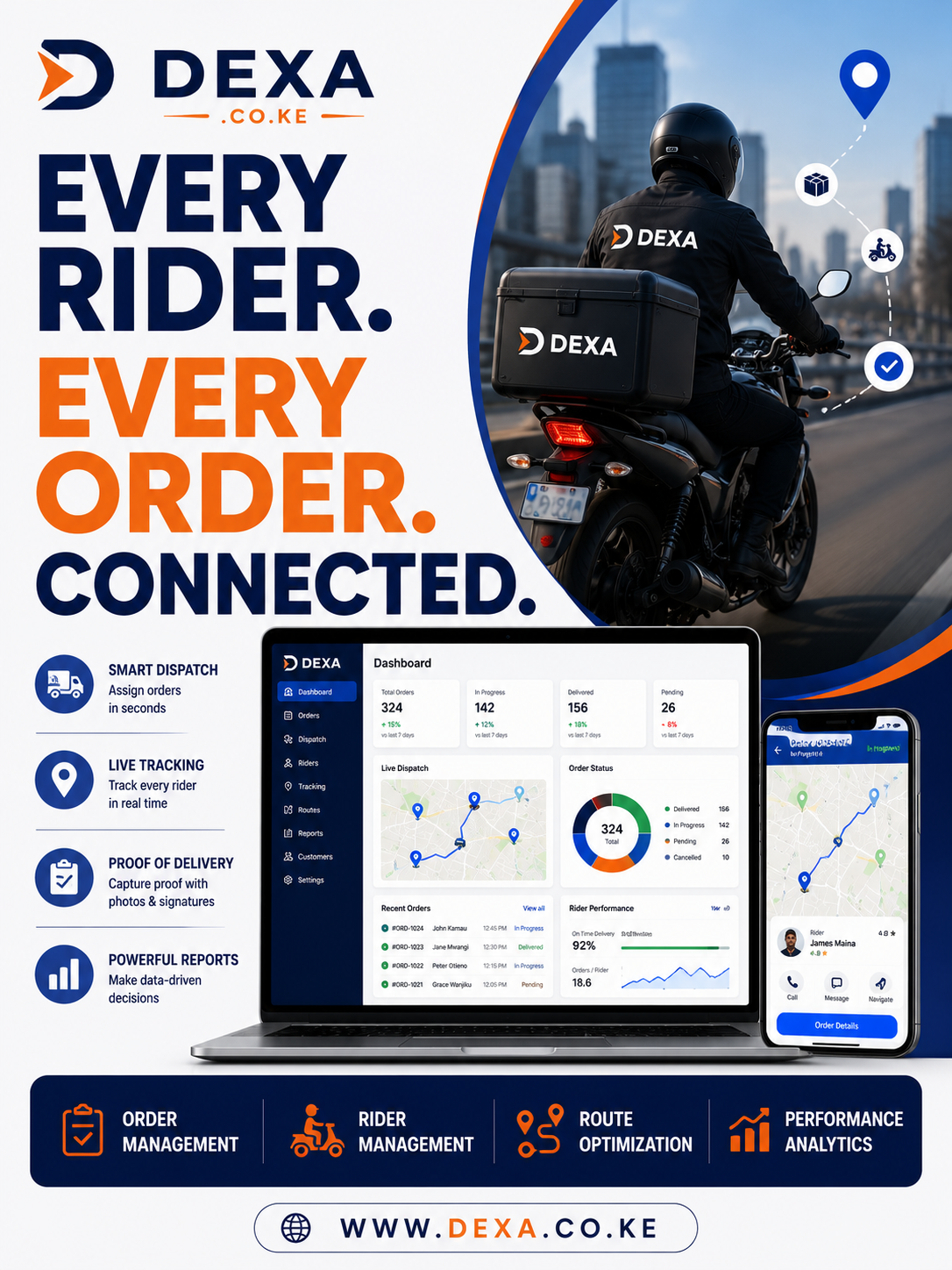
proof of delivery app technology has become an essential tool for courier companies, logistics providers, wholesalers, retailers, distributors, pharmacies, manufacturers, and e-commerce businesses that need accurate confirmation of every completed delivery. As customer expectations for faster and more transparent deliveries continue to grow, businesses require reliable systems that eliminate paper records, reduce disputes, and provide real-time visibility into every shipment.
A modern proof of delivery app enables delivery drivers to capture delivery confirmations using mobile devices while instantly updating dispatchers, customers, and business managers. From digital signatures and delivery photos to GPS verification and real-time status updates, the app creates a complete digital record of every successful delivery.
What Is a Proof of Delivery App?
A proof of delivery app is a mobile and web-based solution that records and verifies successful deliveries electronically.
The app typically includes:
- Delivery assignments
- Driver management
- Parcel tracking
- Digital signatures
- Photo capture
- GPS location verification
- Delivery timestamps
- Customer notifications
- Payment tracking
- Reporting dashboards
Everything is stored securely in one centralized platform.
Why Businesses Need a Proof of Delivery App
Manual delivery confirmation often creates problems such as:
- Lost paperwork
- Delivery disputes
- Missing signatures
- Delayed updates
- Poor communication
- Inaccurate records
- Slow invoicing
A proof of delivery app automates these processes while improving accuracy and accountability.
Benefits of a Proof of Delivery App
Using a proof of delivery app offers numerous advantages including:
- Faster delivery confirmation
- Reduced paperwork
- Improved customer satisfaction
- Better driver accountability
- Real-time delivery updates
- Accurate delivery records
- Faster invoicing
- Improved reporting
- Better operational efficiency
- Easier dispute resolution
These benefits help businesses deliver more reliable services.
Delivery Order Management
Every delivery begins with a delivery order.
The software should record:
- Order number
- Customer details
- Delivery address
- Parcel description
- Delivery instructions
- Assigned driver
Well-organized orders improve delivery accuracy.
Driver Management
The proof of delivery app should maintain complete driver records.
Information may include:
- Driver profiles
- Contact information
- Assigned deliveries
- Performance reports
- Delivery history
Driver management improves accountability.
Mobile Delivery App
Drivers should complete deliveries directly from their smartphones or tablets.
The mobile app allows drivers to:
- View assigned deliveries
- Navigate delivery routes
- Update delivery status
- Capture proof of delivery
- Contact customers
Mobile functionality improves field productivity.
Digital Signature Capture
Electronic signatures provide delivery confirmation.
Customers can sign directly on the driver’s mobile device.
Digital signatures reduce paperwork while improving verification.
Delivery Photo Capture
The proof of delivery app may allow drivers to capture photographs after successful deliveries.
Photos help document:
- Delivered parcels
- Delivery locations
- Package condition
Photo evidence supports dispute resolution.
GPS Location Verification
Location verification improves delivery accuracy.
GPS records may include:
- Delivery coordinates
- Delivery address
- Arrival location
- Completion location
GPS verification strengthens delivery records.
Delivery Timestamp
Each completed delivery should automatically record:
- Delivery date
- Delivery time
- Driver information
- Delivery status
Automatic timestamps improve accountability.
Real-Time Delivery Status
Customers increasingly expect delivery visibility.
The software should provide updates such as:
- Order received
- Driver assigned
- Out for delivery
- Delivered successfully
Real-time updates improve customer confidence.
Customer Notifications
The proof of delivery app should automatically notify customers when:
- Orders are dispatched
- Drivers are approaching
- Deliveries are completed
- Proof of delivery becomes available
Timely communication improves customer satisfaction.
Parcel Tracking
Businesses should monitor every parcel throughout the delivery process.
Tracking information may include:
- Pickup status
- Transit status
- Delivery progress
- Completion confirmation
Parcel visibility improves operational control.
Delivery Route Management
Efficient route planning helps businesses:
- Reduce travel time
- Lower fuel costs
- Improve driver productivity
- Complete more deliveries
Optimized routes increase profitability.
Failed Delivery Management
Not every delivery is completed successfully.
The app should record:
- Failed delivery reason
- Customer unavailable
- Incorrect address
- Rescheduled delivery
- Driver notes
Detailed records improve follow-up.
Customer Information Management
Customer profiles should include:
- Contact information
- Delivery addresses
- Delivery history
- Payment records
- Special instructions
Complete customer records improve service quality.
Cash on Delivery Management
Businesses offering Cash on Delivery should monitor:
- Amount collected
- Payment confirmation
- Outstanding balances
- Driver collections
Digital tracking improves financial accountability.
Invoice Management
The proof of delivery app should generate digital invoices containing:
- Customer information
- Delivery charges
- Delivery details
- Payment status
- Invoice number
Automated invoicing reduces manual work.
Financial Reporting
Managers should monitor:
- Revenue
- Delivery charges
- Outstanding payments
- Daily collections
- Driver collections
Financial reporting supports better business decisions.
Performance Reporting
The software should generate reports showing:
- Completed deliveries
- Failed deliveries
- Driver productivity
- Delivery times
- Customer satisfaction
Performance reports help improve operations.
Customer Communication
Businesses should communicate through:
- SMS notifications
- Email updates
- Delivery confirmations
- Payment notifications
- Customer support messages
Effective communication improves customer relationships.
Document Management
Important delivery documents should remain securely stored.
Examples include:
- Delivery receipts
- Digital signatures
- Delivery photographs
- Customer invoices
- Delivery reports
Digital storage improves accessibility.
User Roles and Permissions
Different employees require different levels of access.
Examples include:
Administrator
- Full system access
Dispatcher
- Delivery assignments
- Driver management
Driver
- Assigned deliveries
- Proof of delivery
Finance Officer
- Payments
- Reports
Role-based permissions improve security.
Audit Logs
Every important action should be recorded.
Audit logs may include:
- User logins
- Delivery updates
- Signature capture
- Payment changes
- Report generation
Audit trails improve transparency.
Data Security
Because customer and delivery information is highly sensitive, the proof of delivery app should provide:
- Secure authentication
- Data encryption
- User permissions
- Activity monitoring
- Automatic backups
Strong security protects business information.
Cloud-Based Management
Cloud deployment allows businesses to:
- Monitor deliveries remotely
- Review reports
- Track drivers
- Access delivery records
- Manage multiple branches
Cloud technology improves flexibility.
Mobile Accessibility
Managers and drivers should access the system from mobile devices.
Mobile functionality allows users to:
- Update delivery status
- Capture proof of delivery
- View assignments
- Review customer information
- Communicate with dispatch
Mobile access improves operational efficiency.
Scalability
As businesses grow, the proof of delivery app should support:
- More drivers
- More deliveries
- Additional branches
- Multiple warehouses
- Higher transaction volumes
Scalable software supports long-term business growth.
Choosing the Right Proof of Delivery App
Before selecting a proof of delivery app, businesses should evaluate:
- Ease of use
- Mobile functionality
- Digital signature support
- GPS verification
- Delivery photo capture
- Reporting capabilities
- Customer notifications
- Security
- Customer support
- Future scalability
Choosing software that supports future growth provides greater long-term value.
Future Trends
Proof of delivery technology continues to evolve.
Future developments are expected to include:
- Artificial intelligence for delivery optimization
- Automated delivery verification
- Smarter route planning
- Advanced analytics
- Predictive delivery scheduling
- Enhanced customer communication
- Greater workflow automation
Businesses investing in a proof of delivery app should choose solutions that can adapt to future logistics innovations.
Final Conclusion
proof of delivery app solutions provide courier companies, logistics providers, distributors, wholesalers, retailers, and delivery businesses with a reliable platform for confirming deliveries, capturing digital signatures, recording GPS locations, managing drivers, tracking parcels, and generating real-time reports. By replacing paper-based delivery confirmations with secure digital records, businesses can improve accountability, reduce disputes, accelerate invoicing, and enhance customer satisfaction.
Whether managing local deliveries or nationwide distribution, investing in a proof of delivery app enables businesses to streamline operations, strengthen delivery verification, improve communication, and build a more efficient logistics operation that is ready for continued growth.
proof of delivery app solutions have become a critical part of modern logistics by helping courier companies, distributors, wholesalers, manufacturers, retailers, pharmacies, and delivery businesses verify every completed delivery quickly and accurately. As customer expectations continue to rise, businesses require technology that provides complete visibility into every shipment while reducing paperwork, delivery disputes, and operational delays.
A professional proof of delivery app provides much more than digital signatures. It enables dispatchers to monitor deliveries in real time, helps drivers complete deliveries efficiently, allows customers to receive instant notifications, and provides management with accurate reports for better decision-making. By digitizing the entire delivery confirmation process, businesses improve customer satisfaction while increasing operational efficiency.
Multi-Branch Delivery Management
Growing businesses often operate from multiple branches.
The software should support:
- Multiple warehouses
- Regional offices
- Independent dispatch teams
- Shared customer database
- Centralized reporting
- Branch performance monitoring
Multi-branch management simplifies logistics operations.
Delivery Zone Management
Businesses should organize deliveries by service areas.
The software can manage:
- Cities
- Counties
- Delivery regions
- Sales territories
- Route zones
- Distribution centers
Organized delivery zones improve dispatch planning.
Driver Assignment
The proof of delivery app should assign deliveries efficiently.
Assignments may consider:
- Driver availability
- Delivery location
- Vehicle type
- Delivery priority
- Workload balance
Smart assignments improve productivity.
Driver Performance Monitoring
Managers should evaluate driver performance using reports such as:
- Completed deliveries
- On-time deliveries
- Failed deliveries
- Average delivery time
- Customer ratings
- Daily productivity
Performance reports help improve service quality.
Driver Attendance Management
Businesses should monitor:
- Driver check-in
- Driver check-out
- Working hours
- Active deliveries
- Daily assignments
Attendance tracking improves workforce management.
Fleet Management
Companies operating delivery vehicles should maintain records for:
- Motorcycles
- Vans
- Trucks
- Cars
- Delivery bicycles
Fleet management improves operational control.
Vehicle Maintenance
The software should track:
- Service schedules
- Repairs
- Insurance
- Registration
- Maintenance history
Proper maintenance reduces unexpected downtime.
Delivery Scheduling
The proof of delivery app should organize deliveries by:
- Priority
- Delivery date
- Customer preference
- Route sequence
- Service level
Scheduling improves delivery efficiency.
Route Optimization
Efficient route planning helps businesses:
- Reduce fuel costs
- Complete more deliveries
- Minimize travel distance
- Improve driver productivity
Optimized routes increase profitability.
Delivery Verification Methods
A modern proof of delivery app should support multiple delivery verification options including:
- Digital signatures
- Delivery photographs
- GPS verification
- Delivery timestamps
- Customer confirmation
- Driver notes
Multiple verification methods strengthen accountability.
Offline Delivery Capture
Drivers sometimes operate in areas with poor internet connectivity.
The software should allow drivers to:
- Record deliveries offline
- Capture signatures
- Save delivery photos
- Synchronize data automatically when connectivity returns
Offline functionality ensures uninterrupted operations.
Delivery Exception Management
Not every delivery is completed successfully.
The system should record:
- Customer unavailable
- Incorrect address
- Refused delivery
- Damaged parcel
- Failed delivery attempts
Exception management improves follow-up.
Return Delivery Management
Businesses frequently process returned shipments.
The software should manage:
- Return requests
- Return reasons
- Pickup scheduling
- Return tracking
- Return confirmation
Return management improves customer service.
Customer Account Management
Every customer should have a complete profile.
Customer records may include:
- Contact information
- Delivery addresses
- Delivery preferences
- Order history
- Payment records
Organized customer data improves service delivery.
Business Customer Management
Corporate clients may require:
- Multiple delivery locations
- Monthly billing
- Credit limits
- Dedicated account managers
- Custom pricing
Business account management strengthens customer relationships.
Invoice Generation
The proof of delivery app should generate invoices automatically.
Invoices may include:
- Customer details
- Delivery information
- Charges
- Taxes
- Payment status
Automated invoicing reduces administrative work.
Payment Management
The software should monitor:
- Delivery charges
- Customer payments
- Cash on Delivery
- Outstanding balances
- Payment history
Accurate payment tracking improves financial control.
Financial Reporting
Finance teams should monitor:
- Daily revenue
- Monthly revenue
- Outstanding invoices
- Customer payments
- Delivery income
- Cash collections
Financial reporting supports better decision-making.
Customer Notifications
Customers appreciate regular updates.
The proof of delivery app should send notifications for:
- Order confirmation
- Driver assignment
- Delivery progress
- Delivery completion
- Payment confirmation
Better communication increases customer confidence.
Customer Feedback
Businesses should collect customer feedback after delivery.
Feedback may evaluate:
- Delivery speed
- Driver professionalism
- Parcel condition
- Overall satisfaction
Customer feedback supports continuous improvement.
Analytics Dashboard
Managers should monitor real-time dashboards displaying:
- Active deliveries
- Completed deliveries
- Failed deliveries
- Driver activity
- Revenue
- Customer satisfaction
Dashboards improve operational visibility.
Document Management
Important delivery documents should remain securely stored.
Examples include:
- Delivery receipts
- Digital signatures
- Delivery photos
- Customer invoices
- Payment records
- Delivery reports
Digital storage improves organization.
User Roles and Permissions
Different employees require different access levels.
Examples include:
Administrator
- Full system access
Dispatcher
- Delivery scheduling
- Driver assignment
Driver
- Delivery updates
- Proof of delivery
Customer Service
- Customer enquiries
- Delivery tracking
Finance Officer
- Payments
- Financial reports
Role-based permissions improve security.
Audit Logs
Every system activity should be recorded.
Audit logs may include:
- User logins
- Delivery updates
- Signature capture
- Photo uploads
- Payment changes
- Report generation
Audit trails strengthen accountability.
Data Security
Because businesses manage confidential customer information, the proof of delivery app should include:
- Secure authentication
- Data encryption
- Role-based permissions
- Activity monitoring
- Automatic backups
- Secure cloud storage
Strong security protects business information.
Cloud-Based Delivery Management
Cloud deployment allows businesses to:
- Access delivery records anywhere
- Monitor drivers remotely
- Review reports
- Manage multiple branches
- Track deliveries in real time
Cloud technology improves operational flexibility.
Mobile Applications
Mobile functionality allows drivers to:
- Accept assignments
- Navigate delivery routes
- Capture proof of delivery
- Upload delivery photos
- Collect digital signatures
- Communicate with dispatch
Mobile applications improve field productivity.
Business Intelligence
Advanced reporting helps businesses evaluate:
- Delivery performance
- Driver productivity
- Customer growth
- Revenue trends
- Operational efficiency
- Delivery success rates
Business intelligence supports strategic planning.
Scalability
As businesses expand, the proof of delivery app should support:
- Additional drivers
- More daily deliveries
- Multiple warehouses
- More customers
- Multiple branches
- Higher transaction volumes
Scalable software supports sustainable growth.
Common Mistakes to Avoid
When selecting a proof of delivery app, businesses should avoid:
- Choosing software based only on price
- Ignoring offline capabilities
- Overlooking reporting features
- Weak security controls
- Poor staff training
- Failing to back up business data
Proper planning ensures successful implementation.
Future Trends
Delivery technology continues to evolve rapidly.
Future innovations are expected to include:
- Artificial intelligence for delivery optimization
- Predictive route planning
- Automated dispatch scheduling
- Smart delivery verification
- Enhanced customer analytics
- Advanced workflow automation
- Improved mobile experiences
Businesses should invest in software that can adapt to changing logistics demands.
Why Businesses Are Choosing Proof of Delivery Apps
Organizations are increasingly adopting digital proof of delivery solutions because they provide:
- Faster delivery confirmation
- Improved customer satisfaction
- Better driver accountability
- Reduced paperwork
- More accurate reporting
- Stronger financial control
- Better operational visibility
- Improved communication
- Higher delivery success rates
- Long-term business scalability
These advantages make digital proof of delivery an essential component of modern logistics operations.
Final Conclusion
proof of delivery app solutions provide courier companies, logistics providers, wholesalers, manufacturers, retailers, distributors, and delivery businesses with a complete platform for verifying deliveries, managing drivers, tracking parcels, collecting digital signatures, recording GPS locations, generating invoices, and producing detailed business reports. By replacing manual delivery confirmation processes with secure digital workflows, businesses can improve efficiency, reduce disputes, strengthen customer trust, and increase operational transparency.
Whether managing local deliveries or nationwide distribution, investing in a proof of delivery app enables businesses to streamline delivery operations, improve accountability, enhance customer experiences, and build a scalable logistics operation that is prepared for future growth.