Truck Dispatch Management Software
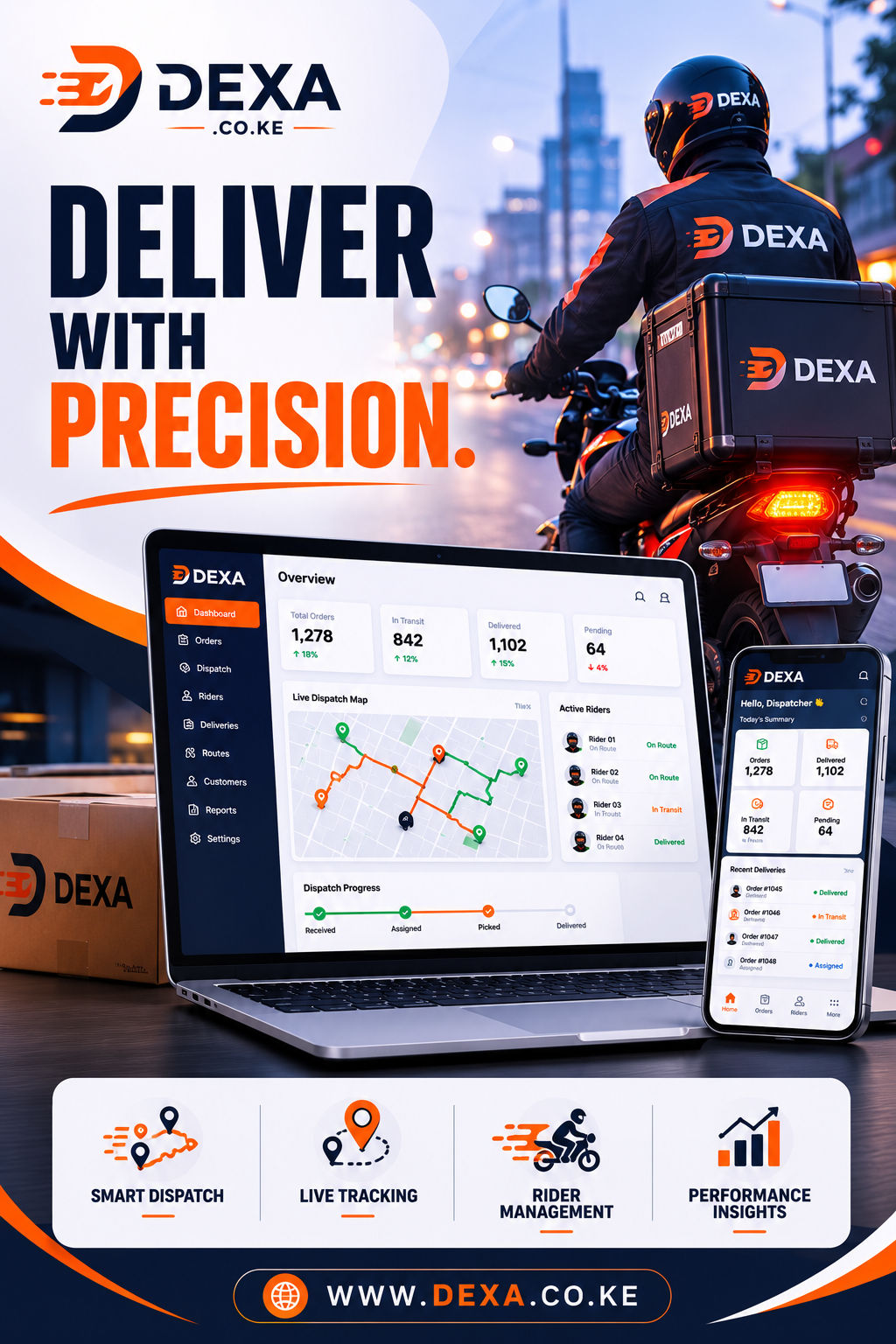
Truck Dispatch Management Software is transforming how logistics companies, transport firms, courier businesses, and fleet operators manage their daily operations. Instead of relying on spreadsheets, paperwork, or endless phone calls, businesses can now coordinate drivers, monitor deliveries, assign vehicles, optimize routes, and track shipments from a centralized digital platform. As Kenya’s logistics sector continues to expand with increasing demand for efficient transportation services, adopting modern dispatch technology has become essential for businesses that want to remain competitive, reduce operational costs, and improve customer satisfaction. Whether managing a handful of trucks or a nationwide fleet, the right software simplifies dispatch operations while providing complete visibility across the entire transportation process.
Table of Contents
- Introduction
- Understanding Modern Fleet Operations
- Why Digital Dispatch Matters
- Core Features to Look For
- Vehicle Assignment and Scheduling
- Real-Time Driver Communication
- Route Planning and Optimization
- Delivery Tracking and Visibility
- Order Management and Dispatch Workflow
- Reporting and Business Intelligence
Introduction
The transportation industry is becoming increasingly competitive as customer expectations continue to rise. Businesses expect faster deliveries, accurate tracking, reliable communication, and timely updates throughout the shipping process. Meeting these expectations manually is becoming nearly impossible as fleet sizes grow and delivery volumes increase.
A modern truck dispatch management software platform enables dispatchers to manage every stage of transportation from one dashboard. From receiving transport requests and assigning trucks to monitoring deliveries and generating reports, automation reduces human error while improving operational efficiency.
For transport companies operating across Kenya—from Nairobi and Mombasa to Kisumu, Nakuru, Eldoret, and beyond—digital dispatch systems provide better coordination between office staff, drivers, customers, and fleet managers.
Understanding Modern Fleet Operations
Fleet management today involves much more than simply assigning a driver to a truck. Every transport request involves planning, scheduling, communication, tracking, documentation, proof of delivery, billing, and performance monitoring.
Without proper systems, dispatch teams often face challenges such as:
- Delayed deliveries
- Poor communication
- Missed assignments
- Fuel wastage
- Duplicate bookings
- Lost paperwork
- Customer complaints
- Limited shipment visibility
A reliable truck dispatch management software solution centralizes these operations into one easy-to-use platform, making it easier to coordinate people, vehicles, and deliveries.
Why Digital Dispatch Matters
Manual dispatch methods often depend on phone calls, WhatsApp messages, handwritten notes, and spreadsheets. While these methods may work for small operations, they quickly become inefficient as fleets expand.
Digital dispatch software introduces automation into daily operations by enabling dispatchers to:
- Assign trucks instantly
- Notify drivers automatically
- Monitor delivery progress
- Track completed jobs
- View available vehicles
- Schedule future deliveries
- Generate operational reports
- Reduce administrative workload
Businesses adopting truck dispatch management software frequently experience improved delivery performance, better customer service, and more efficient resource utilization.
Core Features to Look For
Choosing the right dispatch platform requires understanding the features that directly improve operational efficiency.
Important capabilities include:
Centralized Dispatch Dashboard
A single dashboard provides dispatchers with a complete overview of all ongoing transport activities. Managers can instantly view pending orders, trucks in transit, completed deliveries, available drivers, and delayed assignments.
Driver Management
Driver records should include:
- Contact information
- Assigned vehicles
- Driving licenses
- Performance history
- Delivery statistics
- Availability status
Managing drivers from one location improves scheduling while reducing administrative work.
Fleet Management
Every truck should have detailed records including:
- Registration details
- Capacity
- Maintenance history
- Insurance information
- Fuel records
- Current availability
This information allows dispatchers to assign the right vehicle to every transport request.
Job Assignment
One of the biggest advantages of truck dispatch management software is the ability to assign delivery jobs quickly.
Dispatchers can allocate work based on:
- Vehicle availability
- Driver location
- Delivery urgency
- Cargo capacity
- Route efficiency
This minimizes delays while maximizing fleet utilization.
Vehicle Assignment and Scheduling
Efficient scheduling is the foundation of successful transport operations.
Modern dispatch software enables planners to:
- Schedule deliveries days in advance
- Avoid vehicle conflicts
- Prevent double bookings
- Allocate drivers efficiently
- Balance workloads
- Handle recurring transport jobs
Businesses managing hundreds of deliveries every week greatly benefit from automated scheduling tools.
Real-Time Driver Communication
Communication delays often result in missed deadlines and frustrated customers.
A centralized dispatch system improves communication by allowing dispatchers to:
- Send delivery instructions
- Update routes
- Notify drivers of schedule changes
- Receive delivery confirmations
- Monitor driver responses
Instead of multiple phone calls, communication becomes organized within one platform.
Route Planning and Optimization
Fuel is one of the largest operating expenses for transport companies.
Efficient route planning helps reduce:
- Fuel consumption
- Driver overtime
- Vehicle wear
- Delivery delays
- Traffic-related disruptions
A modern truck dispatch management software solution assists dispatchers in selecting efficient delivery routes while adjusting schedules based on changing conditions.
For Kenyan businesses operating between major cities such as Nairobi, Mombasa, Kisumu, Eldoret, and Nakuru, optimized routing significantly improves profitability.
Delivery Tracking and Visibility
Customers increasingly expect to know where their deliveries are at every stage.
Dispatch platforms provide greater visibility by allowing businesses to monitor:
- Truck location
- Delivery progress
- Estimated arrival times
- Completed deliveries
- Delays
- Driver activity
Real-time tracking increases customer confidence while helping dispatch teams respond quickly to unexpected situations.
Order Management and Dispatch Workflow
Every transport request follows a structured workflow.
A typical workflow includes:
- Customer submits transport request.
- Dispatcher reviews requirements.
- Suitable truck is selected.
- Driver receives assignment.
- Cargo is collected.
- Delivery progress is monitored.
- Customer receives updates.
- Delivery is completed.
- Proof of delivery is captured.
- Reports are generated.
Using truck dispatch management software, this entire workflow becomes automated and easier to manage, reducing paperwork and minimizing delays.
Reporting and Business Intelligence
Transport businesses generate valuable operational data every day.
Comprehensive reports help management understand:
- Delivery performance
- Driver productivity
- Vehicle utilization
- Revenue trends
- Customer demand
- Route efficiency
- Fleet availability
- Operational bottlenecks
These insights support better planning and long-term business growth.
Businesses can also identify recurring issues, improve resource allocation, and make informed investment decisions based on reliable operational data rather than assumptions.
Benefits for Different Stakeholders
A modern truck dispatch management software solution benefits everyone involved in the transportation process. Rather than improving only the dispatch office, it creates a connected ecosystem where dispatchers, drivers, fleet managers, business owners, customers, and finance teams all work with the same accurate information.
Benefits for Dispatchers
Dispatchers are responsible for coordinating deliveries, assigning vehicles, managing schedules, and ensuring trucks reach their destinations on time. Without the right tools, they often spend hours making phone calls, updating spreadsheets, and responding to customer inquiries.
With truck dispatch management software, dispatchers can:
- View all active trucks from one dashboard.
- Assign delivery jobs within seconds.
- Monitor delivery progress in real time.
- Communicate instantly with drivers.
- Reduce paperwork and manual data entry.
- Manage urgent delivery requests efficiently.
- Identify available trucks quickly.
- Improve daily planning and coordination.
This allows dispatchers to focus on solving operational challenges instead of spending valuable time on repetitive administrative tasks.
Benefits for Drivers
Drivers are at the heart of every transport operation. Clear communication and accurate delivery information help them complete assignments efficiently.
A digital dispatch system enables drivers to:
- Receive delivery instructions electronically.
- View pickup and drop-off locations.
- Receive updated schedules instantly.
- Submit proof of delivery.
- Report completed jobs.
- Communicate with dispatch without unnecessary calls.
- Access assigned routes from one platform.
Reducing communication delays improves productivity while minimizing confusion on the road.
Benefits for Fleet Managers
Fleet managers oversee vehicle availability, maintenance schedules, fuel usage, and overall fleet performance.
Using truck dispatch management software, they gain visibility into:
- Vehicle utilization.
- Fleet availability.
- Scheduled maintenance.
- Driver assignments.
- Delivery completion rates.
- Operational efficiency.
- Idle vehicles.
- Transport capacity.
This information helps maximize the value of every truck while reducing downtime.
Benefits for Customers
Customers increasingly expect transparency throughout the delivery process.
Modern dispatch platforms improve customer satisfaction by providing:
- Faster response times.
- Accurate delivery schedules.
- Better communication.
- Real-time shipment updates.
- Reliable delivery records.
- Faster issue resolution.
Businesses that consistently deliver on time often experience stronger customer loyalty and increased referrals.
Benefits for Business Owners
Business owners require accurate information to make informed decisions.
Comprehensive reporting provided by truck dispatch management software helps management understand:
- Revenue performance.
- Fleet productivity.
- Delivery efficiency.
- Resource utilization.
- Customer demand.
- Operational costs.
- Growth opportunities.
Access to reliable business intelligence supports long-term planning and sustainable expansion.
Improving Efficiency Through Automation
Automation is one of the most valuable features of modern dispatch software. Instead of manually completing repetitive tasks, businesses can streamline workflows and reduce operational delays.
Examples of automated processes include:
- Job allocation.
- Driver notifications.
- Route assignment.
- Delivery status updates.
- Customer notifications.
- Digital documentation.
- Proof of delivery collection.
- Report generation.
- Vehicle availability tracking.
- Order status management.
Automation minimizes errors while allowing employees to focus on higher-value activities.
Compliance, Security and Risk Management
Transport businesses handle sensitive operational and customer information every day. Protecting this data is essential for maintaining trust and ensuring business continuity.
A reliable truck dispatch management software platform includes robust security features such as:
User Access Control
Different users can be assigned specific roles and permissions. Dispatchers, administrators, drivers, and managers each access only the information relevant to their responsibilities.
Data Backup
Automatic backups help prevent data loss caused by hardware failures or accidental deletion.
Audit Trails
Every action within the system is recorded, allowing businesses to track changes, monitor user activity, and investigate operational issues when necessary.
Secure Documentation
Digital storage reduces reliance on paper records while ensuring transport documents remain organized and easily accessible.
Regulatory Compliance
Transport businesses operating in Kenya must comply with various operational, taxation, and record-keeping requirements. Digital systems make maintaining accurate records significantly easier.
Integrating with Other Business Systems
Transportation rarely operates in isolation. Dispatch operations often interact with accounting systems, inventory platforms, customer portals, and billing software.
An advanced truck dispatch management software solution can integrate with:
- Accounting software.
- ERP systems.
- Customer management systems.
- GPS tracking platforms.
- Fleet maintenance software.
- Mobile applications.
- Warehouse management systems.
- Digital payment solutions.
Integration eliminates duplicate data entry while ensuring information flows seamlessly across departments.
Why Dexa Is an Ideal Solution
For businesses seeking a reliable dispatch platform, Dexa provides an intelligent approach to managing transport and delivery operations. Rather than relying on disconnected tools, organizations can centralize dispatch activities in a single system designed to improve visibility, coordination, and operational efficiency.
Dexa supports features that modern logistics businesses require, including:
- Order creation and management.
- Role-based access control.
- Driver assignment.
- Live dispatch monitoring.
- Proof of delivery capture.
- Delivery status tracking.
- Queue management.
- Fleet coordination.
- Operational reporting.
Because the platform is designed around real dispatch workflows, transport companies can improve productivity while maintaining greater control over daily operations. Instead of replacing experienced dispatch teams, Dexa enhances their ability to make faster, more informed decisions.
Future Trends in Truck Dispatch Technology
The logistics industry continues to evolve as new technologies reshape transportation management.
Emerging trends include:
Artificial Intelligence
AI will assist dispatchers by recommending optimal vehicle assignments, predicting delays, and improving delivery scheduling.
Predictive Maintenance
Connected vehicles will provide maintenance alerts before mechanical failures occur, reducing costly breakdowns.
Advanced Route Optimization
Future systems will analyze weather conditions, traffic patterns, fuel costs, and delivery priorities to generate increasingly efficient routes.
Mobile-First Operations
Drivers and dispatchers will rely even more on mobile applications for communication, proof of delivery, navigation, and reporting.
Cloud-Based Dispatch Platforms
Cloud technology enables businesses to access operational data securely from anywhere, making remote management more practical.
Real-Time Analytics
Businesses will increasingly use live dashboards to monitor key performance indicators and make faster operational decisions.
Choosing the Right Truck Dispatch Management Software
Before selecting a dispatch platform, businesses should evaluate several important factors:
- Ease of use.
- Scalability.
- Mobile accessibility.
- Reporting capabilities.
- Security features.
- Integration options.
- Customer support.
- Customization possibilities.
- Cloud availability.
- Cost-effectiveness.
Selecting software that aligns with current operations while supporting future growth ensures a stronger return on investment.
Getting Started
Implementing truck dispatch management software begins with understanding your organization’s operational needs. Start by documenting current dispatch workflows, identifying inefficiencies, and determining which processes would benefit most from automation.
Next, involve dispatchers, drivers, fleet managers, and administrative staff during the implementation process. Their practical experience will help ensure the system supports real-world operations rather than adding unnecessary complexity.
Provide adequate training so employees become comfortable using the platform, and monitor performance during the initial rollout. As your team gains experience, additional features and integrations can be introduced to further improve productivity.
For Kenyan logistics companies, transport contractors, courier businesses, construction firms, wholesalers, and organizations managing private fleets, investing in a modern dispatch solution positions the business for sustainable growth in an increasingly competitive market.
Conclusion
Truck dispatch management software has become an essential tool for transport businesses seeking greater efficiency, visibility, and control over daily operations. By centralizing dispatch activities, automating repetitive tasks, improving communication, and providing actionable insights, organizations can reduce costs while delivering better service to customers.
As Kenya’s logistics and transportation industry continues to grow, digital dispatch systems will play an increasingly important role in helping businesses manage expanding fleets, meet customer expectations, and remain competitive. Choosing a reliable platform such as Dexa enables organizations to streamline operations today while preparing for the technological advancements of tomorrow.
Benefits for Different Stakeholders
A modern truck dispatch management software solution benefits everyone involved in the transportation process. Rather than improving only the dispatch office, it creates a connected ecosystem where dispatchers, drivers, fleet managers, business owners, customers, and finance teams all work with the same accurate information.
Benefits for Dispatchers
Dispatchers are responsible for coordinating deliveries, assigning vehicles, managing schedules, and ensuring trucks reach their destinations on time. Without the right tools, they often spend hours making phone calls, updating spreadsheets, and responding to customer inquiries.
With truck dispatch management software, dispatchers can:
- View all active trucks from one dashboard.
- Assign delivery jobs within seconds.
- Monitor delivery progress in real time.
- Communicate instantly with drivers.
- Reduce paperwork and manual data entry.
- Manage urgent delivery requests efficiently.
- Identify available trucks quickly.
- Improve daily planning and coordination.
This allows dispatchers to focus on solving operational challenges instead of spending valuable time on repetitive administrative tasks.
Benefits for Drivers
Drivers are at the heart of every transport operation. Clear communication and accurate delivery information help them complete assignments efficiently.
A digital dispatch system enables drivers to:
- Receive delivery instructions electronically.
- View pickup and drop-off locations.
- Receive updated schedules instantly.
- Submit proof of delivery.
- Report completed jobs.
- Communicate with dispatch without unnecessary calls.
- Access assigned routes from one platform.
Reducing communication delays improves productivity while minimizing confusion on the road.
Benefits for Fleet Managers
Fleet managers oversee vehicle availability, maintenance schedules, fuel usage, and overall fleet performance.
Using truck dispatch management software, they gain visibility into:
- Vehicle utilization.
- Fleet availability.
- Scheduled maintenance.
- Driver assignments.
- Delivery completion rates.
- Operational efficiency.
- Idle vehicles.
- Transport capacity.
This information helps maximize the value of every truck while reducing downtime.
Benefits for Customers
Customers increasingly expect transparency throughout the delivery process.
Modern dispatch platforms improve customer satisfaction by providing:
- Faster response times.
- Accurate delivery schedules.
- Better communication.
- Real-time shipment updates.
- Reliable delivery records.
- Faster issue resolution.
Businesses that consistently deliver on time often experience stronger customer loyalty and increased referrals.
Benefits for Business Owners
Business owners require accurate information to make informed decisions.
Comprehensive reporting provided by truck dispatch management software helps management understand:
- Revenue performance.
- Fleet productivity.
- Delivery efficiency.
- Resource utilization.
- Customer demand.
- Operational costs.
- Growth opportunities.
Access to reliable business intelligence supports long-term planning and sustainable expansion.
Improving Efficiency Through Automation
Automation is one of the most valuable features of modern dispatch software. Instead of manually completing repetitive tasks, businesses can streamline workflows and reduce operational delays.
Examples of automated processes include:
- Job allocation.
- Driver notifications.
- Route assignment.
- Delivery status updates.
- Customer notifications.
- Digital documentation.
- Proof of delivery collection.
- Report generation.
- Vehicle availability tracking.
- Order status management.
Automation minimizes errors while allowing employees to focus on higher-value activities.
Compliance, Security and Risk Management
Transport businesses handle sensitive operational and customer information every day. Protecting this data is essential for maintaining trust and ensuring business continuity.
A reliable truck dispatch management software platform includes robust security features such as:
User Access Control
Different users can be assigned specific roles and permissions. Dispatchers, administrators, drivers, and managers each access only the information relevant to their responsibilities.
Data Backup
Automatic backups help prevent data loss caused by hardware failures or accidental deletion.
Audit Trails
Every action within the system is recorded, allowing businesses to track changes, monitor user activity, and investigate operational issues when necessary.
Secure Documentation
Digital storage reduces reliance on paper records while ensuring transport documents remain organized and easily accessible.
Regulatory Compliance
Transport businesses operating in Kenya must comply with various operational, taxation, and record-keeping requirements. Digital systems make maintaining accurate records significantly easier.
Integrating with Other Business Systems
Transportation rarely operates in isolation. Dispatch operations often interact with accounting systems, inventory platforms, customer portals, and billing software.
An advanced truck dispatch management software solution can integrate with:
- Accounting software.
- ERP systems.
- Customer management systems.
- GPS tracking platforms.
- Fleet maintenance software.
- Mobile applications.
- Warehouse management systems.
- Digital payment solutions.
Integration eliminates duplicate data entry while ensuring information flows seamlessly across departments.
Why Dexa Is an Ideal Solution
For businesses seeking a reliable dispatch platform, Dexa provides an intelligent approach to managing transport and delivery operations. Rather than relying on disconnected tools, organizations can centralize dispatch activities in a single system designed to improve visibility, coordination, and operational efficiency.
Dexa supports features that modern logistics businesses require, including:
- Order creation and management.
- Role-based access control.
- Driver assignment.
- Live dispatch monitoring.
- Proof of delivery capture.
- Delivery status tracking.
- Queue management.
- Fleet coordination.
- Operational reporting.
Because the platform is designed around real dispatch workflows, transport companies can improve productivity while maintaining greater control over daily operations. Instead of replacing experienced dispatch teams, Dexa enhances their ability to make faster, more informed decisions.
Future Trends in Truck Dispatch Technology
The logistics industry continues to evolve as new technologies reshape transportation management.
Emerging trends include:
Artificial Intelligence
AI will assist dispatchers by recommending optimal vehicle assignments, predicting delays, and improving delivery scheduling.
Predictive Maintenance
Connected vehicles will provide maintenance alerts before mechanical failures occur, reducing costly breakdowns.
Advanced Route Optimization
Future systems will analyze weather conditions, traffic patterns, fuel costs, and delivery priorities to generate increasingly efficient routes.
Mobile-First Operations
Drivers and dispatchers will rely even more on mobile applications for communication, proof of delivery, navigation, and reporting.
Cloud-Based Dispatch Platforms
Cloud technology enables businesses to access operational data securely from anywhere, making remote management more practical.
Real-Time Analytics
Businesses will increasingly use live dashboards to monitor key performance indicators and make faster operational decisions.
Choosing the Right Truck Dispatch Management Software
Before selecting a dispatch platform, businesses should evaluate several important factors:
- Ease of use.
- Scalability.
- Mobile accessibility.
- Reporting capabilities.
- Security features.
- Integration options.
- Customer support.
- Customization possibilities.
- Cloud availability.
- Cost-effectiveness.
Selecting software that aligns with current operations while supporting future growth ensures a stronger return on investment.
Getting Started
Implementing truck dispatch management software begins with understanding your organization’s operational needs. Start by documenting current dispatch workflows, identifying inefficiencies, and determining which processes would benefit most from automation.
Next, involve dispatchers, drivers, fleet managers, and administrative staff during the implementation process. Their practical experience will help ensure the system supports real-world operations rather than adding unnecessary complexity.
Provide adequate training so employees become comfortable using the platform, and monitor performance during the initial rollout. As your team gains experience, additional features and integrations can be introduced to further improve productivity.
For Kenyan logistics companies, transport contractors, courier businesses, construction firms, wholesalers, and organizations managing private fleets, investing in a modern dispatch solution positions the business for sustainable growth in an increasingly competitive market.
Conclusion
Truck dispatch management software has become an essential tool for transport businesses seeking greater efficiency, visibility, and control over daily operations. By centralizing dispatch activities, automating repetitive tasks, improving communication, and providing actionable insights, organizations can reduce costs while delivering better service to customers.
As Kenya’s logistics and transportation industry continues to grow, digital dispatch systems will play an increasingly important role in helping businesses manage expanding fleets, meet customer expectations, and remain competitive. Choosing a reliable platform such as Dexa enables organizations to streamline operations today while preparing for the technological advancements of tomorrow.
Truck Dispatch Management Software
Truck Dispatch Management Software
Truck Dispatch Management Software
Truck Dispatch Management Software
Truck Dispatch Management Software
Truck Dispatch Management Software
Truck Dispatch Management Software
Truck Dispatch Management Software
Truck Dispatch Management Software
Truck Dispatch Management Software
Truck Dispatch Management Software
Truck Dispatch Management Software